In outpatient clinics, we often encounter patients like this: repeatedly troubled by gallbladder polyps and intestinal polyps, compounded by years of chronic stomach issues. The polyps are removed only to grow back, and stomach discomfort never ceases—bloating, belching, poor appetite, acid reflux, and dull pain, all worsening with spicy or irritating foods. They rely on anti-inflammatory and gallbladder-protecting medications, as well as gastric mucosal protectants, just to get by, yet they remain trapped in the vicious cycle of recurrent symptoms.
This is the case of a 56-year-old patient with a 4-year history of gallbladder polyps and intestinal polyps, along with chronic gastritis that has persisted for 6 years. Over the 4 years, gallbladder polyps were surgically removed twice, and intestinal polyps were removed once, yet follow-up examinations consistently revealed new small polyps. Additionally, the patient experiences chronic gastric discomfort, with bloating and acid reflux being common occurrences. Eating slightly more or faster leads to frequent belching, occasional stomach pain, and irregular bowel movements, alternating between dry and loose stools.
He had been relying on Western medicine for control, using anti-inflammatory and gallbladder-soothing drugs for gallbladder polyps, and taking gastric mucosal protectants and prokinetic agents for stomach issues. If the polyps recurred, surgical removal was considered. However, after all these years, the symptoms were not fundamentally cured, the polyps still recurred, and stomach discomfort became increasingly frequent, especially during the postoperative period when digestive function worsened. He also became thinner and lacked energy, constantly worrying about the malignant transformation of the polyps, which caused significant psychological stress.
When his family accompanied him, they said, "At first, the medication provided some relief, but over time, its effectiveness diminished. The polyps kept growing back after removal, and the stomach issues kept recurring. We're really worried that the polyps might worsen and the stomach condition could deteriorate further. It's been such a struggle to endure this!"
The treatment approach in Western medicine is straightforward: remove polyps if they affect function or pose a risk of malignancy, and treat stomach ailments with medications that protect the mucosa or promote motility, which aligns with standard diagnostic and treatment protocols. However, why do these "symptomatic treatments" fail to prevent the recurrence of polyps and the persistence of stomach ailments, instead trapping patients in a cycle of "medication - relief - recurrence - more medication"?
From the perspective of Traditional Chinese Medicine, the root cause of this patient's condition does not lie in the superficial manifestations such as "polyps" or "gastritis," but rather in the imbalance of constitution—long-term weakness of the spleen and stomach, liver qi stagnation, and internal generation of phlegm-dampness. This is the core reason for the recurrent growth of polyps and the lingering nature of the stomach ailment. The spleen governs transportation and transformation, while the stomach governs reception. When the functions of the spleen and stomach are weak, the transportation and transformation of food and water become impaired, leading to the generation of phlegm-dampness. Stagnation of liver qi disrupts the flow of qi, intertwining phlegm-dampness with qi stagnation. When this congeals in the gallbladder or intestines, it forms polyps; when it obstructs the middle jiao, it triggers symptoms of stomach ailments such as bloating and acid reflux.
Traditional Chinese medicine believes that "the spleen is the source of phlegm production, and qi is the commander of blood." If phlegm-dampness is not eliminated and qi movement is not smooth, polyps will grow repeatedly like "bamboo shoots after rain." If the root cause of spleen and stomach weakness is not addressed, stomach diseases cannot be fundamentally alleviated. Many patients fall into the misconception of "removing polyps and taking Western medicine," neglecting the key aspect of physical constitution regulation. This is like only trimming the branches and leaves without removing the roots, leading to recurring problems.
I examined the patient's pulse, which was deep, wiry, and slippery. Observing the tongue coating, the tongue appeared pale and swollen with a white, greasy coating and obvious tooth marks. Combined with symptoms such as recurrent polyps, gastric distension, acid reflux, and irregular bowel movements, the syndrome differentiation points to "spleen and stomach deficiency, liver qi stagnation, and phlegm-dampness accumulation." The core of the treatment is not symptomatic management aimed at "removing polyps or treating gastric issues," but rather regulating the constitution to fundamentally eliminate the underlying conditions that foster polyp growth and the recurrence of gastric problems.
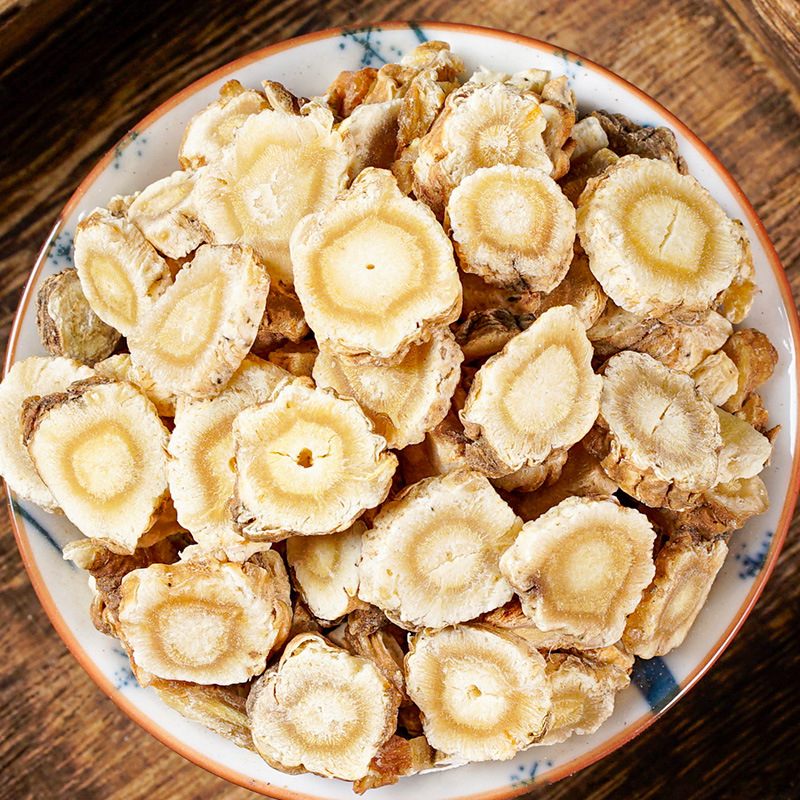
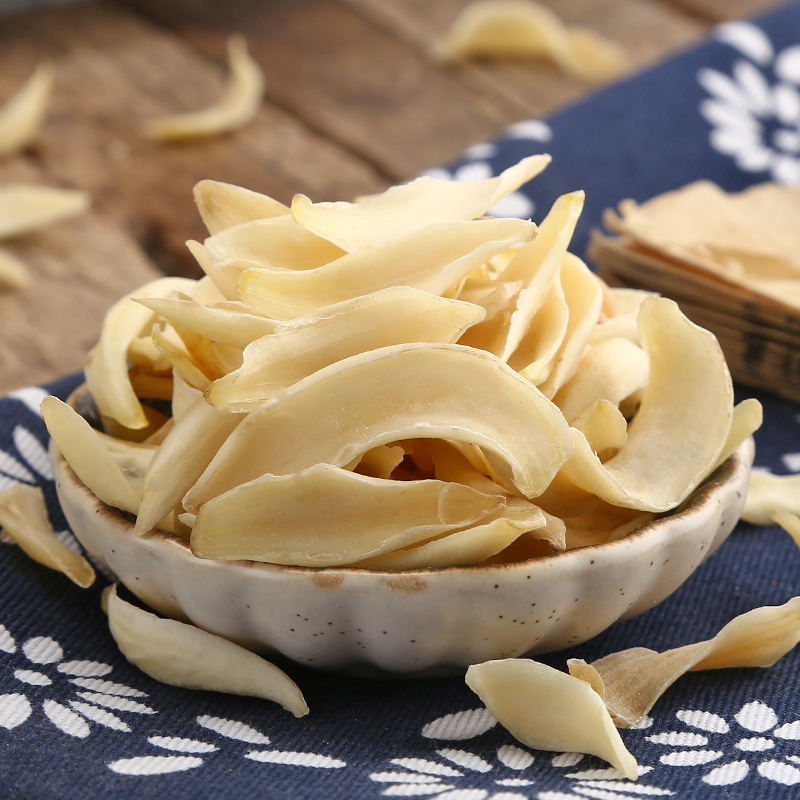
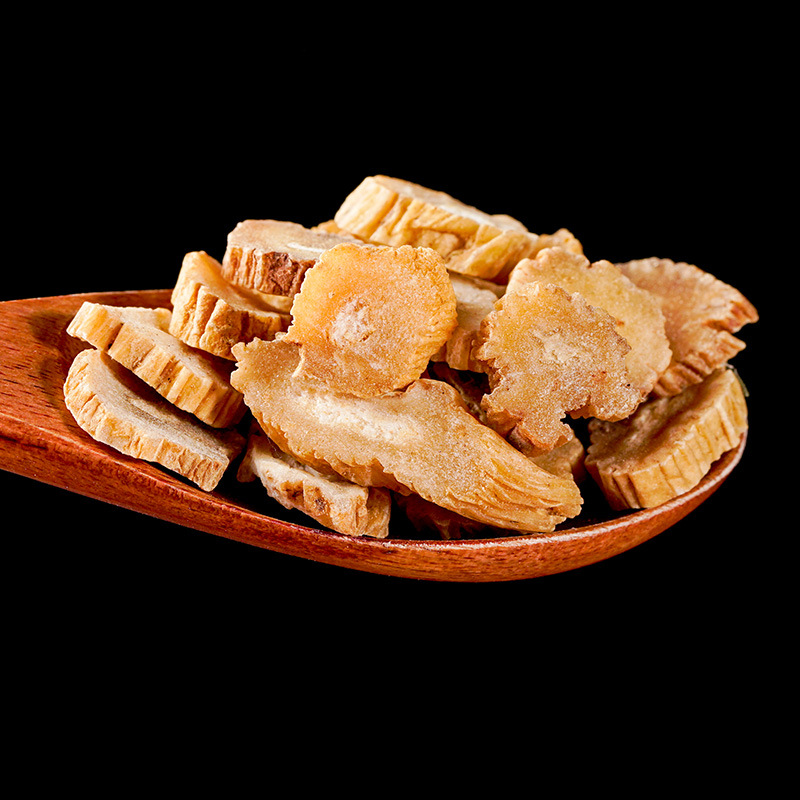
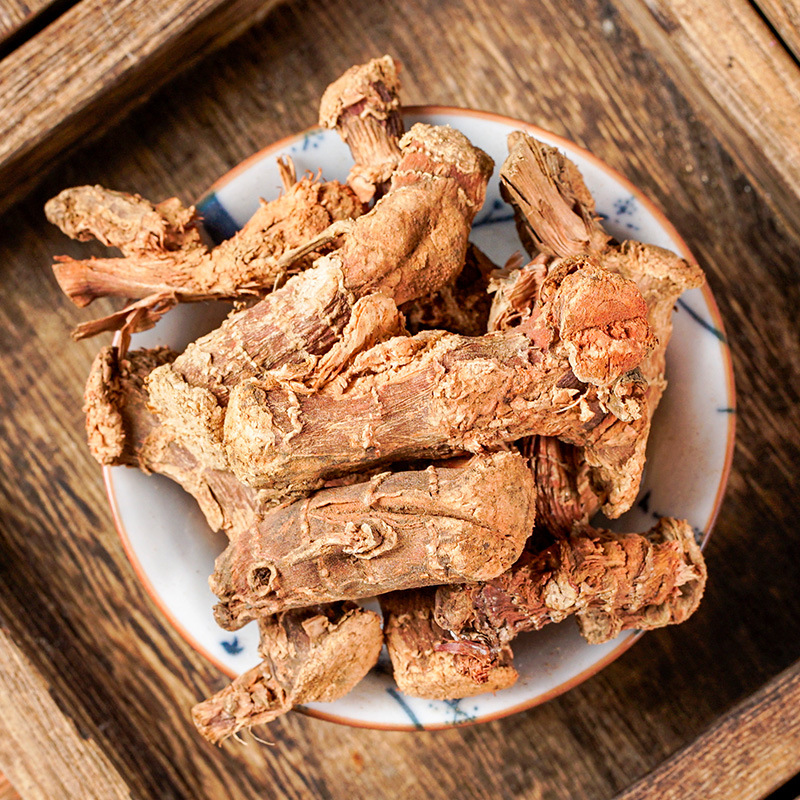
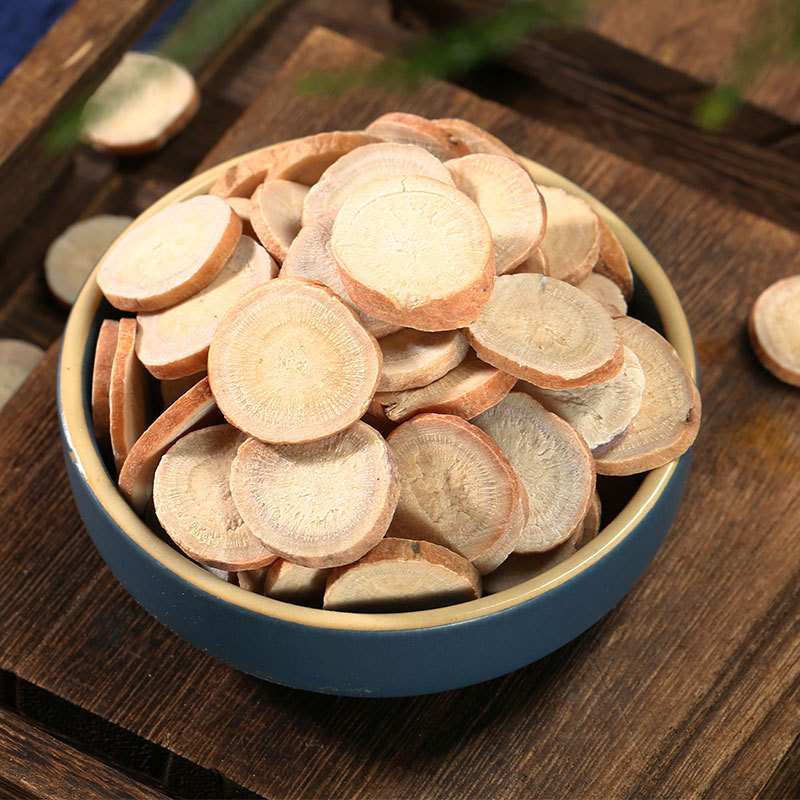
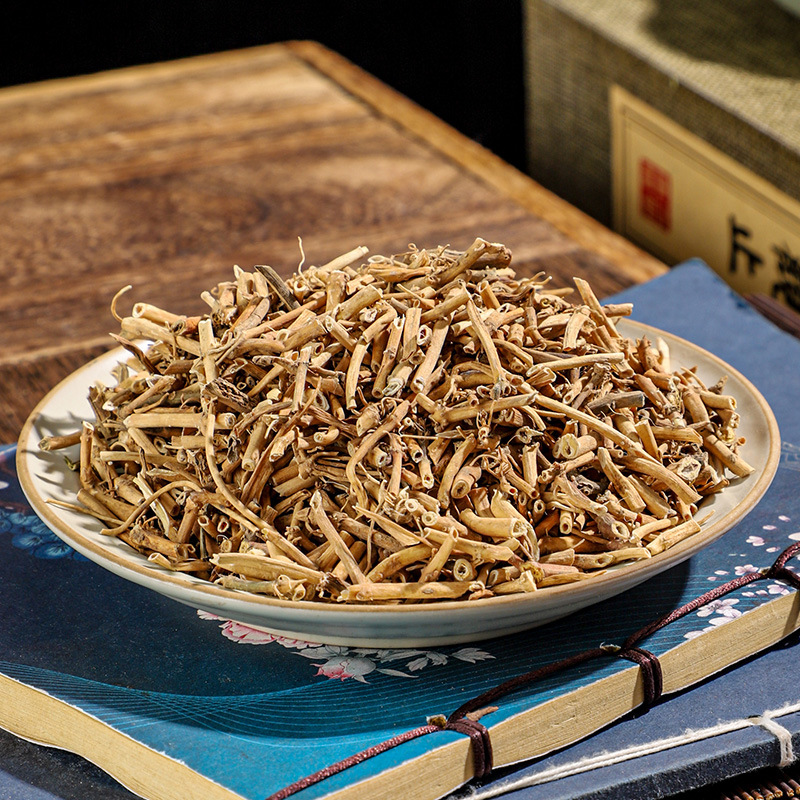
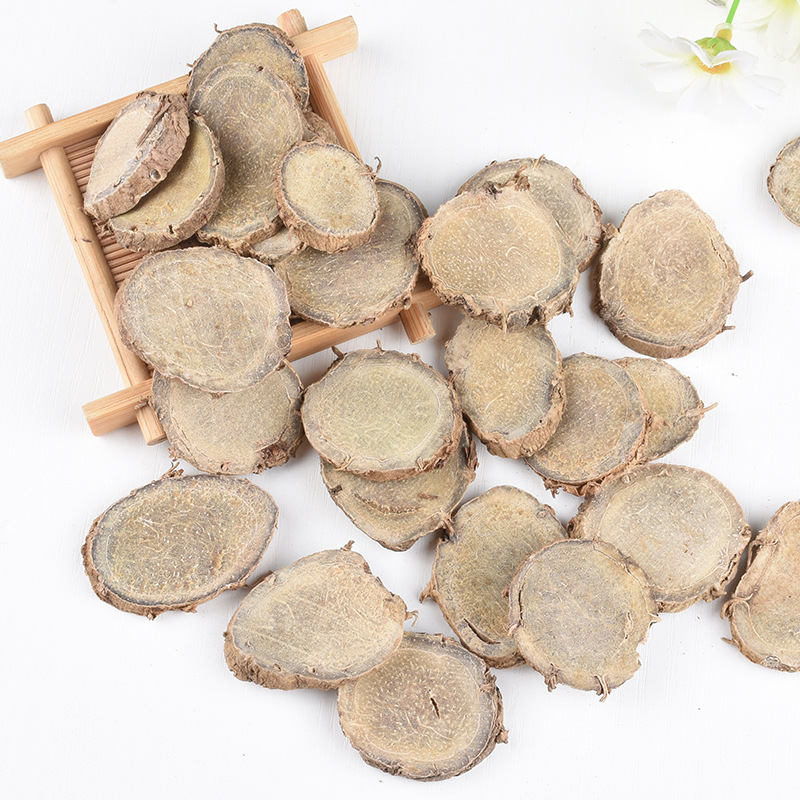
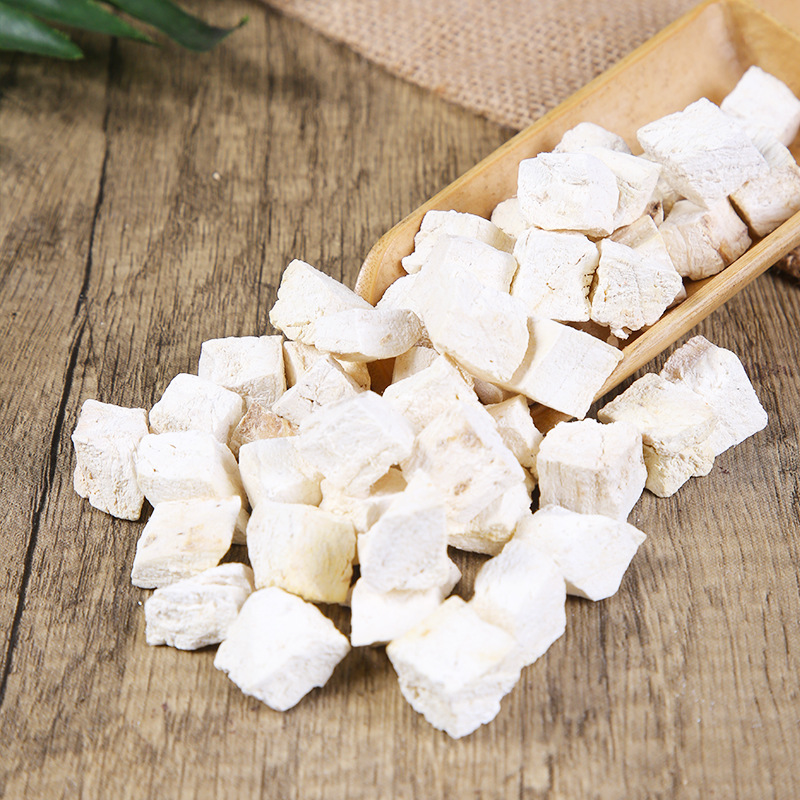
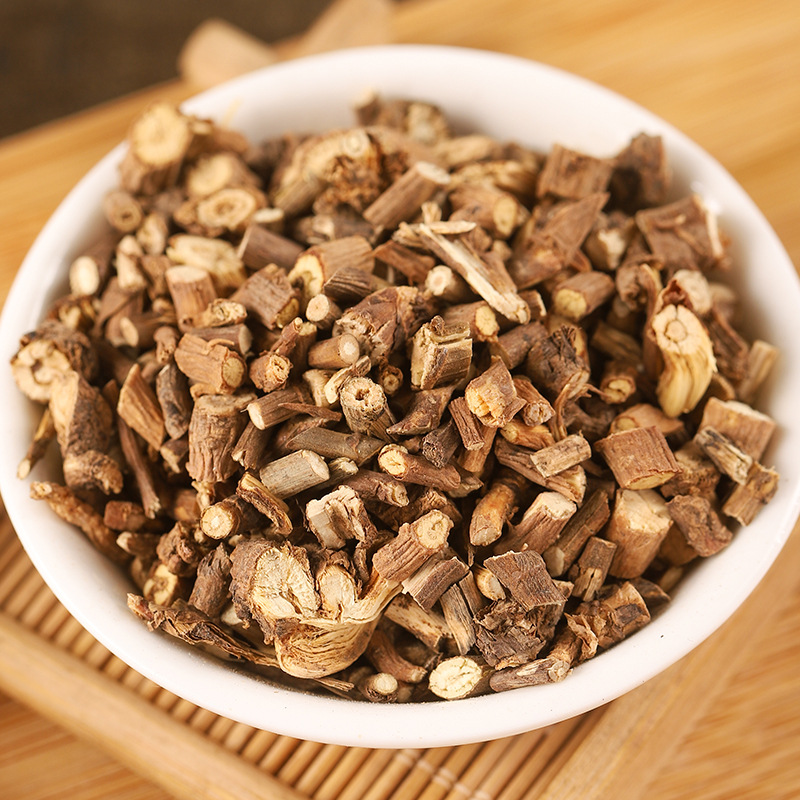
Based on his condition, I prescribed a formula: Bupleurum, Cyperus rotundus, and Curcuma to soothe the liver and relieve depression, unblocking stagnant qi; Poria, fried Atractylodes macrocephala, and Chinese yam to strengthen the spleen and replenish qi, restoring the spleen and stomach's transportation and transformation functions, reducing phlegm-dampness generation at the root; Tangerine peel, Pinellia ternata, and Coix seed to dry dampness and resolve phlegm, dissolving existing phlegm-dampness in the body; plus a bit of Curcuma zedoaria and Sparganium stoloniferum to invigorate blood circulation, resolve stasis, soften hardness, and dissipate masses, assisting in dispersing polyps; paired with Pseudostellaria heterophylla and licorice to replenish qi and harmonize the stomach, alleviating gastric discomfort. At the same time, I instructed him to stop all Western anti-inflammatory and gallbladder-soothing medications as well as stomach medicines, maintain a light and regular diet, avoid greasy, spicy, raw, cold foods, and alcohol and tobacco, take a 20-minute walk after dinner every day, keep emotions relaxed and comfortable, and avoid staying up late.
During the second consultation, the patient reported significant relief from symptoms such as gastric distension and acid reflux, with bowel movements becoming regular and well-formed, and a notable improvement in mental state. Based on the patient's recovery progress, I made slight adjustments to the prescription, reducing the dosage of blood-activating and stasis-resolving herbs, and adding Euryale ferox and lotus seeds to strengthen the spleen and consolidate the intestines, further reinforcing the function of the spleen and stomach.
During the third consultation, he smiled and said, "Now I have a good appetite, and I don't experience much stomach bloating or acid reflux anymore. The anxiety I used to have about polyp recurrence is also gone." After persisting with the treatment for three months, he went to the hospital for a follow-up examination. The small polyps in his gallbladder and intestines had not grown, and no new polyps had developed. His stomach discomfort had largely disappeared. After continuing the treatment for another three months and stopping the medication for follow-up, the reexamination results remained stable. His diet and daily life returned to normal, and he felt more energetic overall.
In fact, recurrent polyps and chronic stomach issues are not conditions that necessarily require long-term medication or repeated surgeries. Many people find themselves in a predicament because they have not identified the root cause: an imbalance in their constitution. Western medicine and surgery can temporarily address the symptoms, but they cannot treat the core issues of "spleen and stomach weakness, liver stagnation and qi stagnation, and phlegm-dampness accumulation."
Just like pulling weeds from a field without loosening the soil or adjusting its condition will eventually lead to the weeds growing back, Traditional Chinese Medicine focuses on regulating the soil environment. By strengthening the spleen, soothing the liver, and resolving phlegm-dampness, it helps the body develop self-regulating capabilities. When the spleen and stomach are healthy, the flow of qi is smooth, and phlegm-dampness is eliminated, polyps naturally do not recur, and stomach issues can be fundamentally alleviated.
Of course, neither stopping medication nor recuperation can be achieved overnight. It must be gradually adjusted under the guidance of traditional Chinese medicine syndrome differentiation, based on the body's recovery progress, and cannot be rushed. However, the core idea is correct: true recovery must involve regulating the constitution and restoring the functions of the internal organs, rather than relying on long-term "remedies" through medication and surgery.