During my consultations, I often encounter patients with atrophic gastritis who suffer from long-term stomach issues. They describe poor digestion, lack of appetite, and a diminished sense of taste in food. They never feel hungry on their own and experience extreme fullness after just a few bites. Bloating and discomfort are common, sometimes accompanied by belching, acid reflux, or dull pain. The condition often persists for years.
There is a patient like this, with a history of atrophic gastritis lasting for 5 years, constantly plagued by stomach discomfort. Her complexion is dull and lacks luster, her tongue coating is thick and sticky, and she feels drowsy and lethargic every day, wanting to sleep during the day but unable to, and having difficulty falling asleep at night while easily waking up. The most tormenting issue is the long-term digestive problems. Her appetite has shifted from normal eating to "fearing food," and even a slight intake of greasy, cold, or hard-to-digest foods leads to unbearable bloating, along with increased acid reflux and belching. Her weight has also gradually decreased.
She had been seeking treatment from Western medicine practitioners, undergoing regular gastroscopy follow-ups, and tested positive for Helicobacter pylori. Western medicine prescribed standard quadruple therapy for Helicobacter pylori, followed by long-term use of conventional Western medications such as gastric mucosal protectants and prokinetic agents. However, over the past five years, her gastric discomfort symptoms have fluctuated without complete relief. Issues like gastric bloating and poor appetite have persistently troubled her, and attempts to adjust the medication regimen have yielded minimal improvement.
The approach of Western medicine is clear: Helicobacter pylori infection is a significant trigger for atrophic gastritis, and long-term infection may exacerbate gastric mucosal damage, even increasing the risk of malignant transformation. Eradication therapy itself is not problematic. For symptoms like bloating and poor appetite, the use of prokinetic agents and gastric mucosal protectants is also standard practice. However, why have these standardized treatment methods failed to fundamentally improve her long-term gastric symptoms?
In the view of Traditional Chinese Medicine, the root cause of this patient's illness lies in the long-term stomach disease depleting the qi of the spleen and stomach, leading to weakened spleen and stomach functions and severe damage to stomach qi. The spleen is the foundation of postnatal life, responsible for transportation and transformation, and the ascending and distributing of clear yang qi throughout the body; the stomach is the storehouse of grains, responsible for receiving and decomposing food and water. Only when the spleen and stomach work together can the ingested food and water be transformed into essential substances, which are then transported throughout the body via clear yang qi to nourish the five zang and six fu organs, and "stomach qi" is precisely the core manifestation of the digestive function of the spleen and stomach.
The strength of stomach qi can be directly assessed through appetite, tongue coating, pulse condition, and facial complexion. A normal appetite, a thin and evenly white tongue coating, a rosy and lustrous facial complexion, and a calm, moderate pulse are manifestations of "having stomach qi." Clinically, the presence or absence of stomach qi is key to determining the severity and prognosis of chronic stomach diseases. As the saying goes, "With stomach qi, there is life; without stomach qi, there is death." Sufficient stomach qi ensures the harmonious functioning of the five organs, while weak stomach qi leads to the decline of all five organs. In simpler terms, regardless of the type of chronic stomach condition, even if the illness appears severe, as long as one can still eat and has a decent appetite, there is a foundation for recovery. Conversely, if stomach qi is depleted, even if test indicators are not extreme, medication may prove ineffective.
Returning to the condition of this patient, long-term atrophic gastritis has led to damage to the spleen and stomach, impaired transportation and transformation, food stagnation in the stomach, internal production of phlegm-dampness, and obstruction of the qi mechanism in the middle jiao, which in turn triggers a series of chain symptoms such as gastric distension, poor appetite, belching, and acid reflux. Combined with her manifestations of a white and greasy tongue coating, a sticky and greasy foreign body sensation on the tongue surface, and a soggy and slippery pulse, the core etiology is "spleen-stomach deficiency, qi stagnation, and internal accumulation of phlegm-dampness."
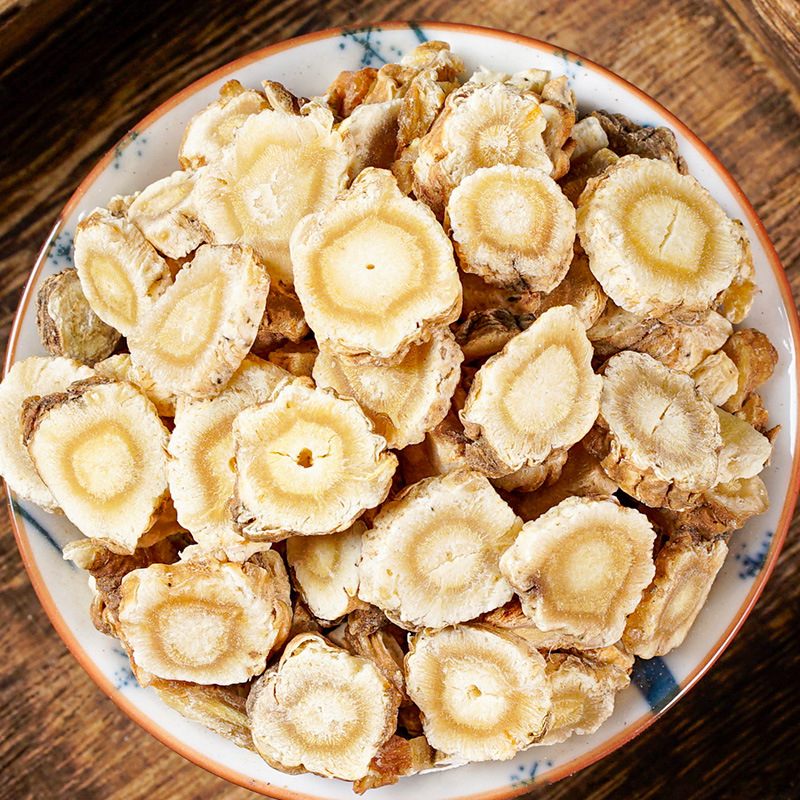
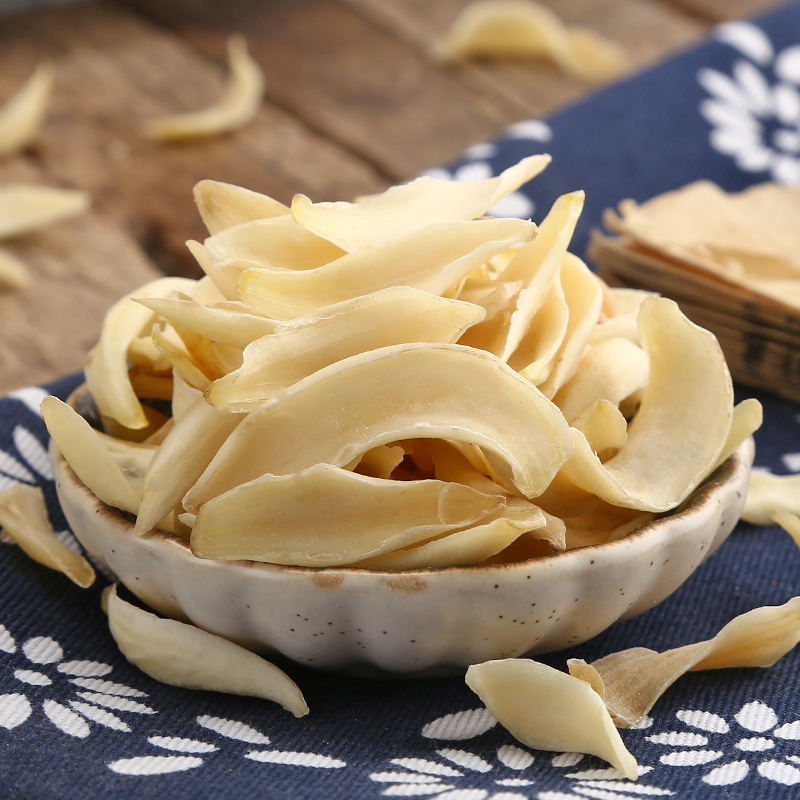
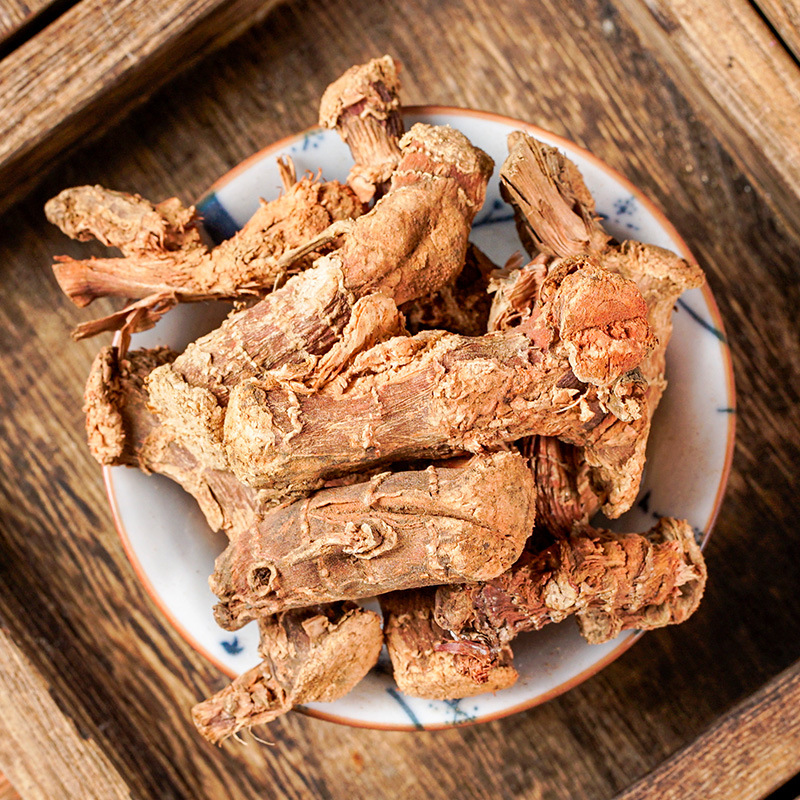
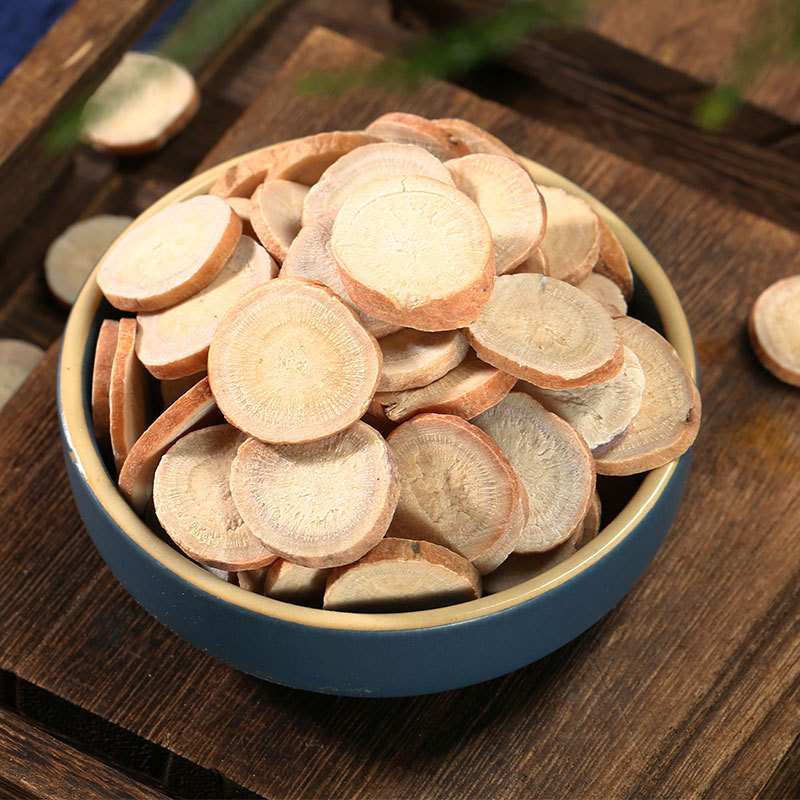
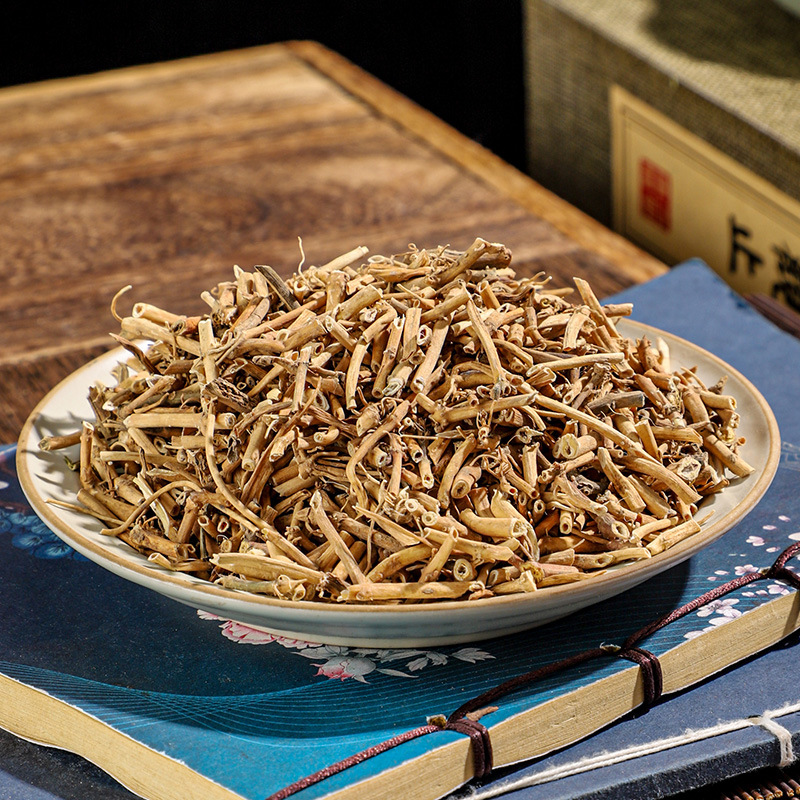
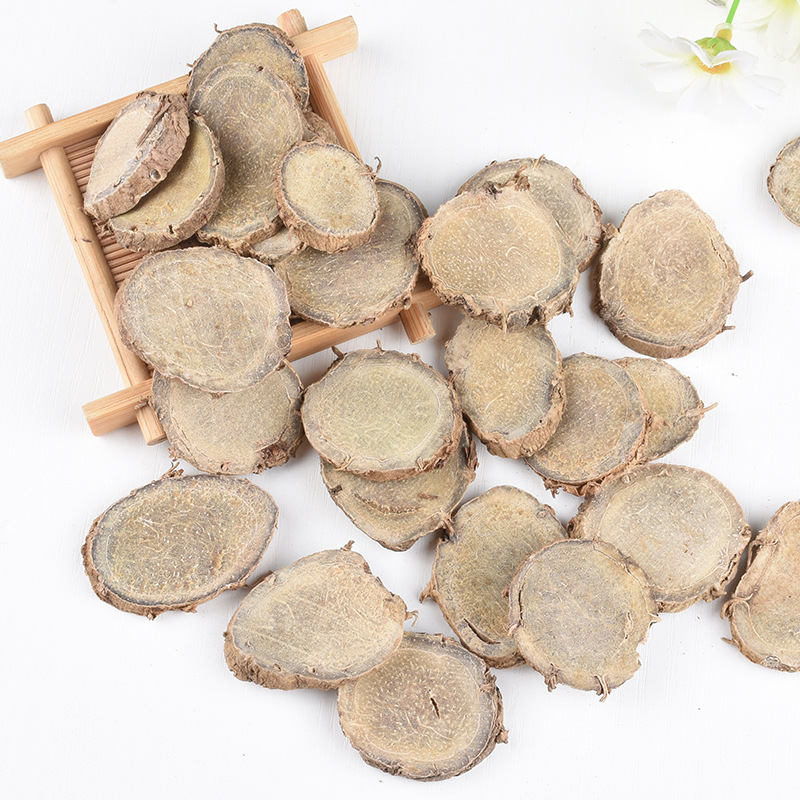
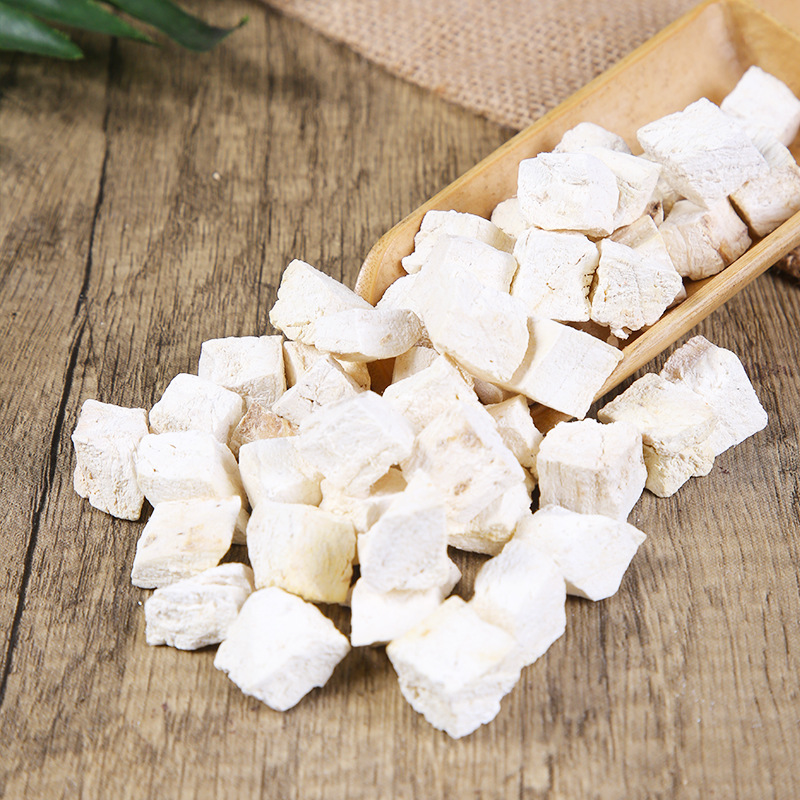
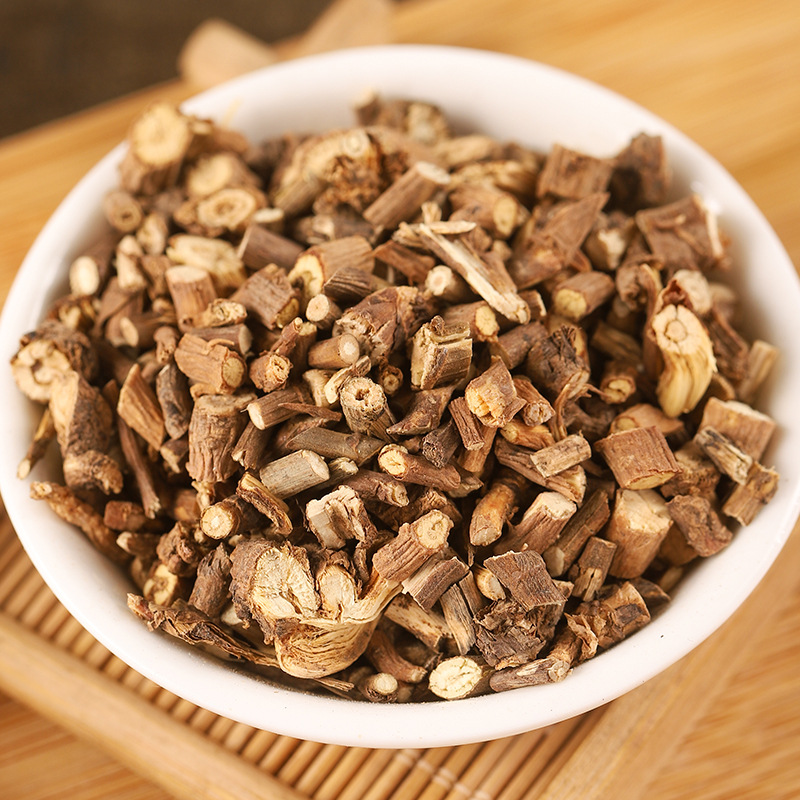
The treatment approach has become clear, with the core principles being "strengthening the spleen and replenishing qi, nourishing stomach yin, regulating qi and harmonizing the stomach." Codonopsis pilosula, Atractylodes macrocephala, and Poria cocos are selected to strengthen the spleen and replenish qi, repairing damaged spleen and stomach functions. These are combined with Adenophora stricta and Ophiopogon japonicus to nourish stomach yin, addressing the deficiency of stomach yin caused by long-term stomach ailments. Then, Cimicifuga foetida, Aucklandia lappa, and Citrus reticulata are used to regulate the qi mechanism of the middle jiao, alleviating symptoms such as gastric distension and belching. Additionally, Chaenomeles speciosa and Pogostemon cablin are added to harmonize the stomach and resolve dampness, clearing phlegm-dampness from the body. This approach fundamentally regulates spleen and stomach functions and improves digestive status.
After taking the medication for a week, the patient's symptoms showed significant improvement. The feeling of bloating was greatly alleviated, and she no longer felt full after just a few bites as before. Her appetite gradually recovered, and she began to actively crave food. The frequency of acid reflux and belching also decreased noticeably. She remarked with emotion that over the past five years, she had taken many medications, but her symptoms had always fluctuated. She never expected that just one week of drinking traditional Chinese medicine would bring such a significant improvement to the discomfort that had troubled her for years, leaving her both excited and pleasantly surprised. This prescription consists of only 16 herbs, yet it precisely targets the condition, addressing a problem that long-term Western medical treatment had failed to cure.
During the follow-up visit, the patient reported that the discomfort in the stomach had largely subsided, but there was still a slight sense of fatigue. Considering her long-term weakness of the spleen and stomach, and the fact that her vitality had not fully recovered, she was advised not to rush the process. In terms of diet, she should proceed gradually, avoiding overeating, and especially staying away from spicy, greasy, raw, cold foods, as well as takeout and junk food. Instead, she should choose mild, easily digestible ingredients and eat smaller, more frequent meals to nourish her stomach qi. At the same time, based on the original prescription, Astragalus and Angelica were appropriately added to replenish qi and blood, further consolidating the function of the spleen and stomach. No cold or cooling herbs were selected to avoid damaging the recently recovered stomach qi.
After 3 weeks of continuous conditioning, the patient's mental state is completely different from that at the initial visit. Her complexion has become rosy and radiant, her appetite has returned to normal, and she is no longer troubled by stomach discomfort. She is now able to participate in fitness activities such as yoga and jogging normally. She feels much lighter in her body, which is actually due to the dissipation of dampness in her body caused by long-term spleen and stomach weakness. Her metabolism has returned to normal, and she appears more energetic overall.
Compared to other diseases, the treatment of chronic stomach conditions like atrophic gastritis particularly aligns with the old saying, "Three parts rely on medicine, seven parts rely on care." The reason modern people are easily plagued by chronic stomach issues is mostly related to irregular eating habits—overeating, irregular meals, excessive intake of additives, and long-term consumption of spicy, stimulating, or cold foods can continuously damage the spleen and stomach. At the same time, the stomach is an "emotional organ"; high work pressure, tense interpersonal relationships, and long-term anxiety and depression can also lead to stagnation of spleen and stomach qi, worsening stomach disease symptoms.
Therefore, friends suffering from chronic stomach diseases such as atrophic gastritis should not only seek timely treatment but also make an effort to adjust their lifestyle habits. Even if symptoms are controlled with medication, if subsequent care for the spleen and stomach is neglected, the condition is likely to recur. However, modern urban dwellers face significant life pressures, making it easier said than done to adjust lifestyle habits. It's okay—when spleen and stomach issues arise, timely regulation with traditional Chinese medicine, focusing on the core principles of "strengthening the spleen and harmonizing the stomach, regulating qi and dispelling dampness," can help treat minor ailments early and manage chronic conditions steadily, thereby preventing the condition from worsening. Traditional Chinese medicine can truly serve as a "guardian deity" for the spleen and stomach of long-term stomach disease patients.