Liangfu WanIt was first recorded in the "Collection of Effective Prescriptions" by the Qing Dynasty physician Xie Yuanqing.
This book compiles effective prescriptions commonly used in folk and clinical settings, emphasizing simplicity, convenience, affordability, and efficacy.
Liangfu Pills are composed of two core medicinal herbs, galangal and cyperus, which is a typical embodiment of the idea of using fewer but more potent herbs in traditional Chinese medicine.
The formula consists of two medicinal herbs in a 1:1 ratio (the proportion can be adjusted clinically based on the severity of symptoms):
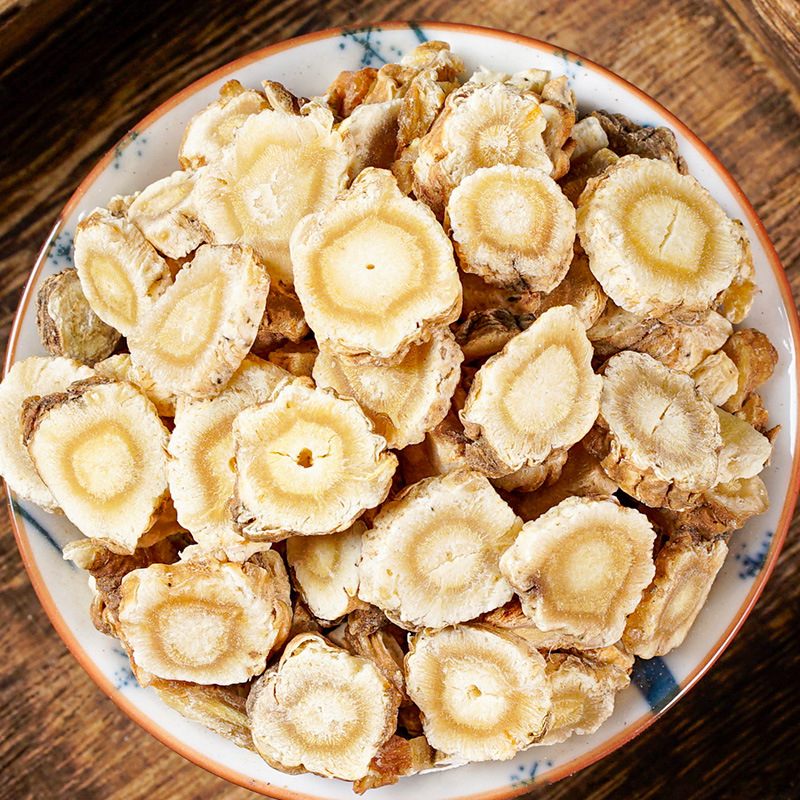
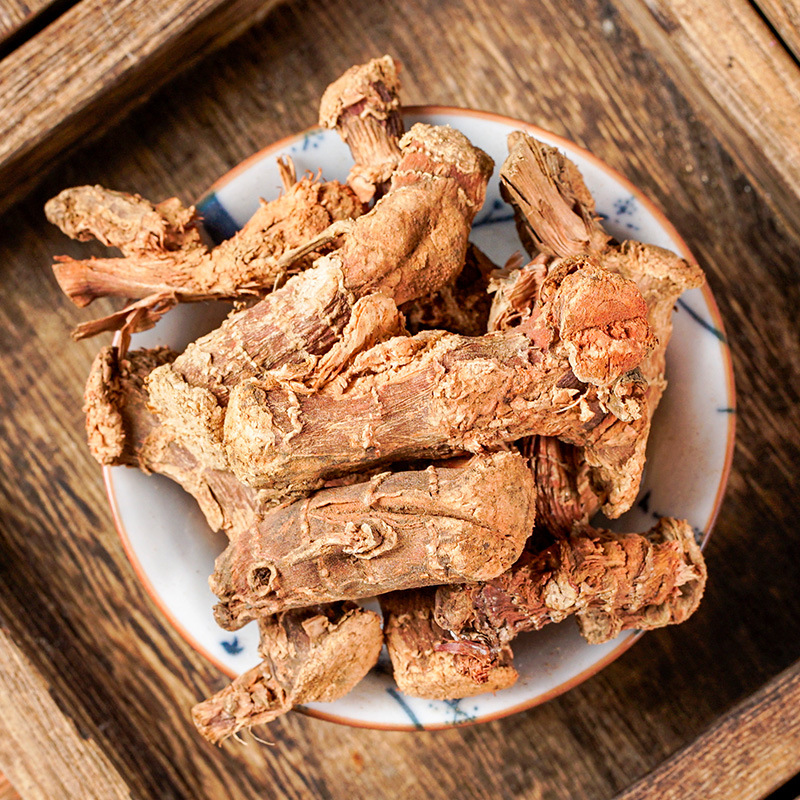
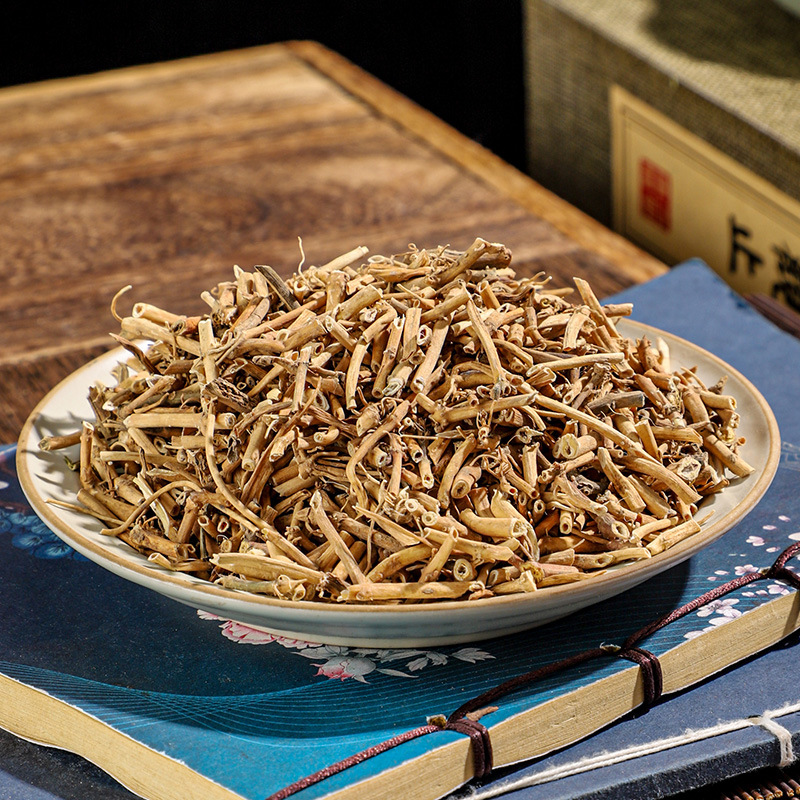
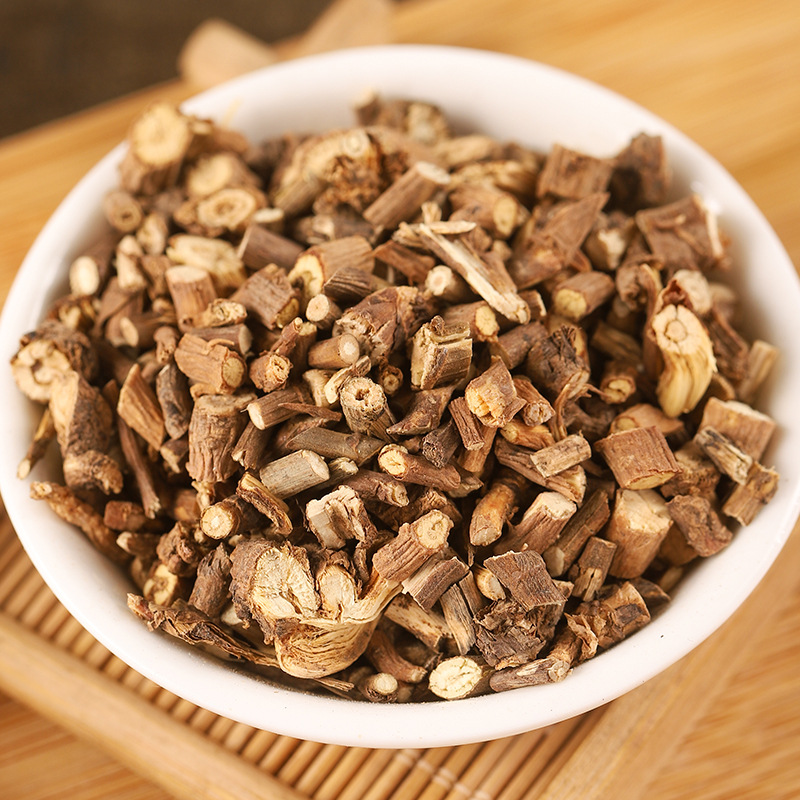
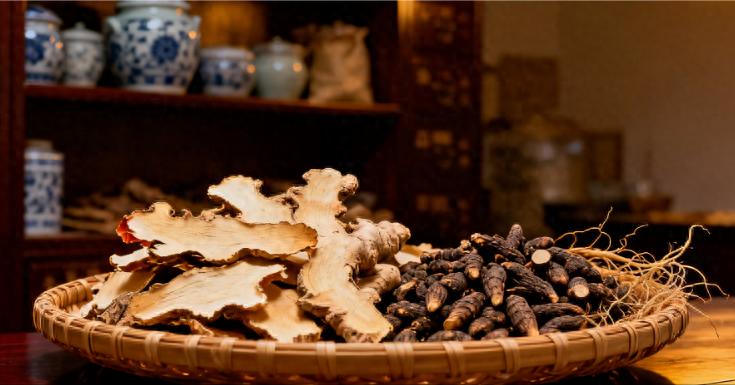
Alpinia officinarumIt is the dried rhizome of the plant Alpinia officinarum Hance from the Zingiberaceae family, with a warm nature and pungent taste. It is mainly produced in Guangdong, Guangxi, and other regions, and those with firm texture and a spicy aroma are considered of superior quality.
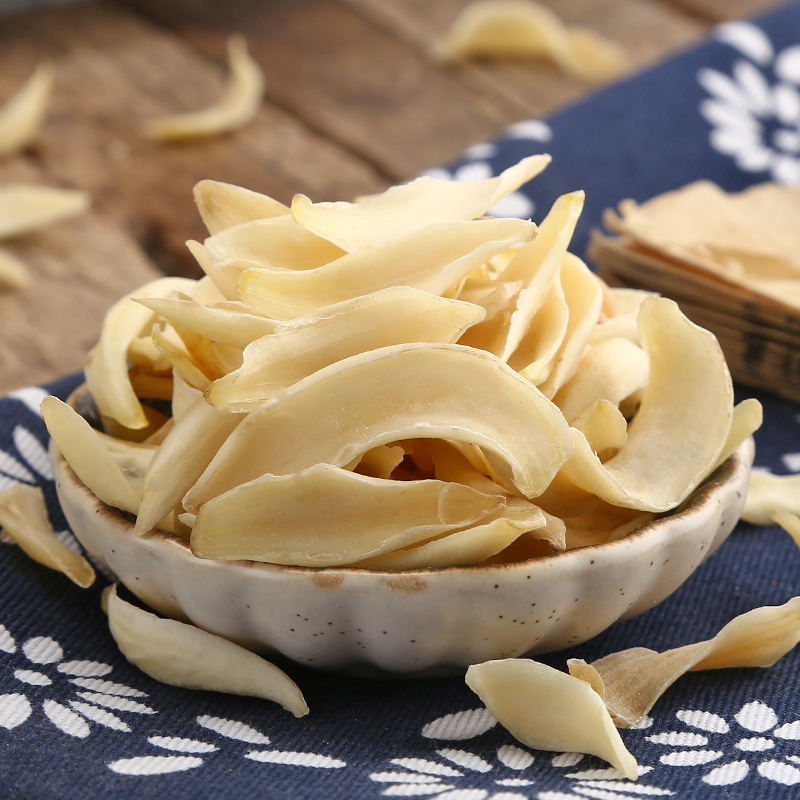
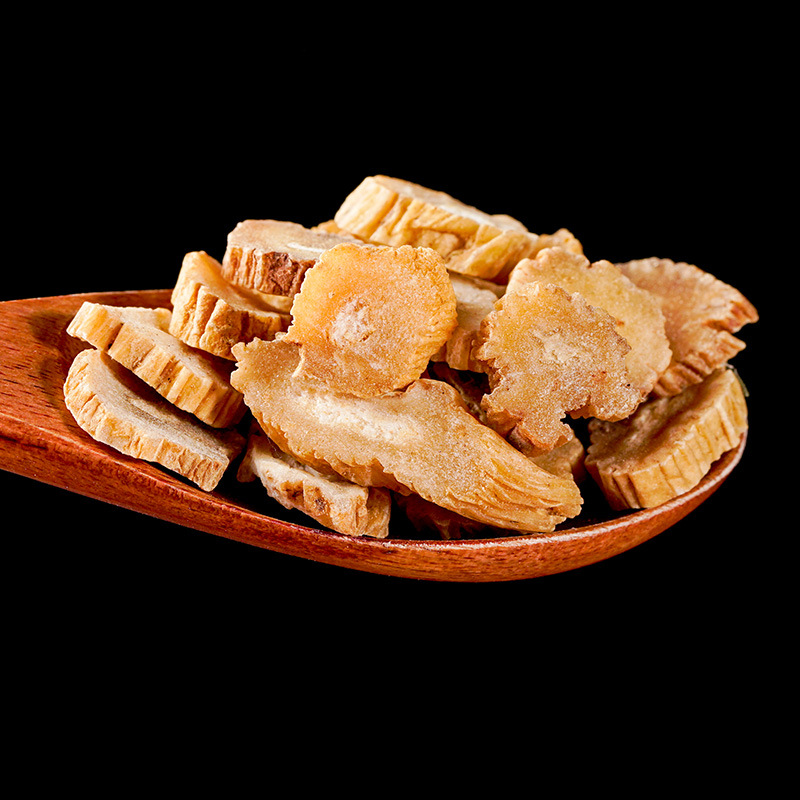
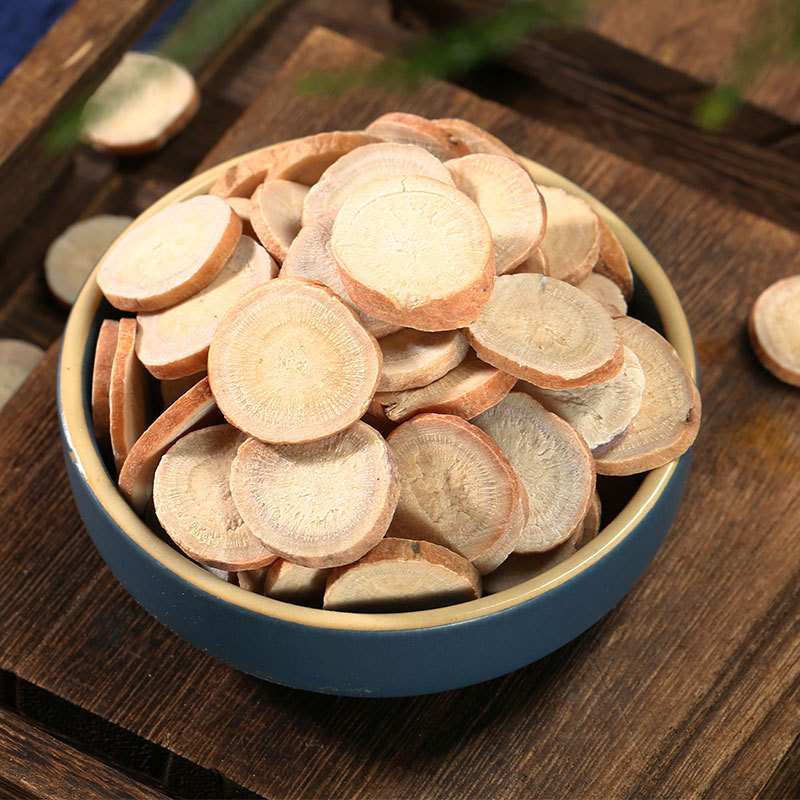
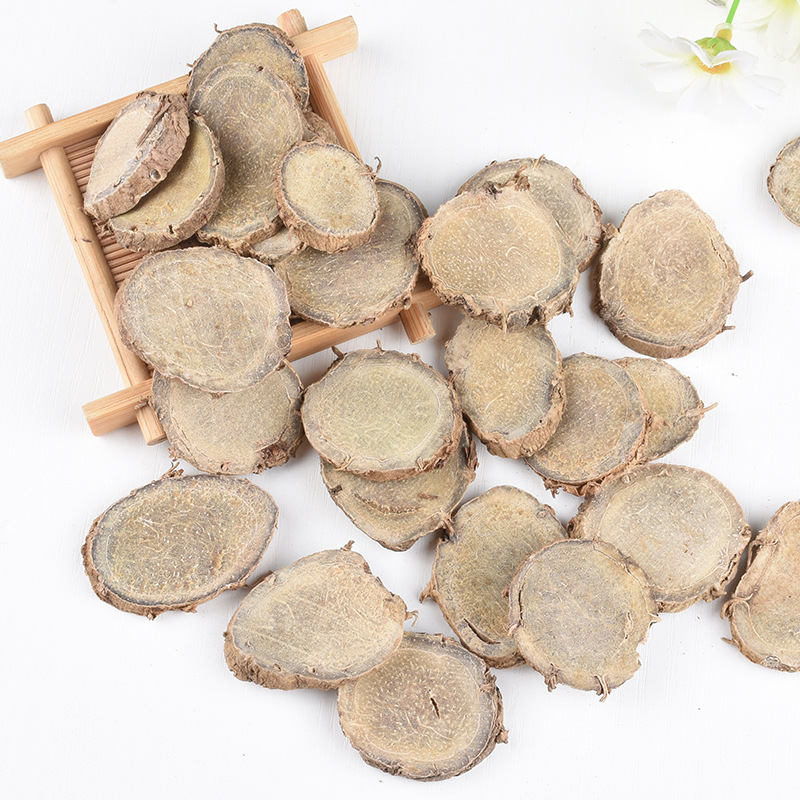
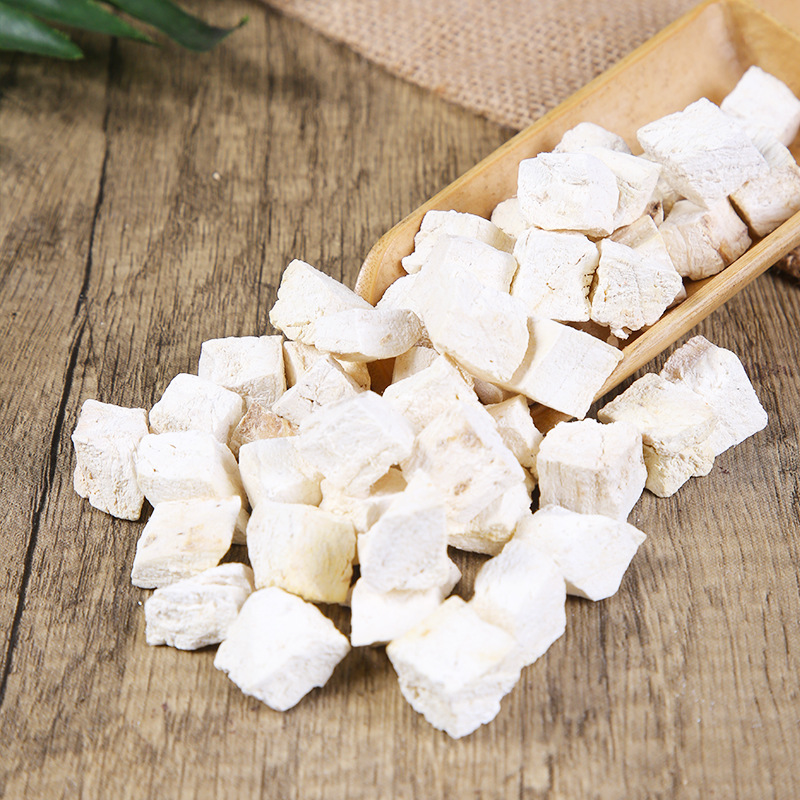
Cyperus rotundusThe dried rhizome of the plant Cyperus rotundus from the Cyperaceae family, with a neutral nature and a pungent, slightly bitter, and sweet taste, is produced in most regions of the country. After processing with vinegar, its effect of regulating qi and relieving pain is enhanced (commonly used in clinical practice as vinegar-processed Cyperus rotundus).
Liangfu WanThe compatibility approach is like a combination punch of warming cold and unblocking qi precisely targeting the core pathogenesis of cold congealing and qi stagnation
1. Monarch Herb: Galangal, with its warm nature and pungent taste, can directly enter the spleen and stomach, warming the cold in these organs like a small stove. At the same time, its pungent properties can disperse cold and relieve pain, directly alleviating pain caused by cold pathogens.
2. Minister Herb: Cyperus rotundus, with a neutral nature and adept at regulating qi, can sort out the stagnant qi in the body, akin to "unclogging pipes," addressing the poor flow of qi caused by cold pathogen obstruction. Moreover, after being processed with vinegar, Cyperus rotundus can further enhance its effects of relieving pain and entering the liver and spleen meridians, while also taking into account soothing the liver and regulating qi, alleviating qi stagnation triggered by emotional distress.
The Art of Compatibility: Galangal warms and dispels cold to relieve pain, while Cyperus regulates qi and alleviates depression. One warms and the other regulates; one focuses on the spleen and stomach, the other on qi movement. Cold pathogens disperse when warmed, and qi stagnation resolves when regulated. Together, they achieve the effects of warming cold stagnation, regulating qi movement, and relieving pain.
Liangfu WanThe core applicable scenarios are various types of pain caused by cold stagnation and qi stagnation, particularly focusing on symptoms in the spleen, stomach, and hypochondriac regions. The specific manifestations are as follows:
1、Stomach discomfort:Stomach pain is dull or distending, worsens with cold, and alleviates with warmth, possibly accompanied by gastric distension, belching, hiccups, poor appetite, and loose stools. It is commonly seen in conditions such as chronic gastritis, peptic ulcers, and gastroesophageal reflux disease.
2、distending pain in the hypochondriumPain and distension in both sides of the ribs or the chest and hypochondrium, often triggered by emotional distress or exposure to cold, may be accompanied by chest tightness and sighing, commonly seen in conditions such as cholecystitis and intercostal neuralgia.
3、lower abdominal cold pain, distending painFor example, dysmenorrhea, postpartum abdominal pain, accompanied by unsmooth menstrual flow, blood clots, etc.
It should be noted thatLiangfu WanFor cold syndrome and excess syndrome, if there is stomach heat pain, such as dry mouth and bitter taste, stomach pain that resists pressure, dry and hard stools, or yin deficiency stomach pain such as dull burning pain in the stomach, dry mouth and throat, it should not be used.
The above ancient prescription should be taken under the guidance of a doctor's syndrome differentiation.