In the fast-paced modern life, stomach ailments are no longer the exclusive domain of middle-aged and elderly people.
More and more young people are beginning to be troubled by chronic gastritis, reflux esophagitis, atrophic gastritis, and even intestinal metaplasia.
Many people think that having a "bad stomach" is just about eating something spoiled, but in reality, what truly damages the gastric mucosa are often those unnoticed bad habits accumulated over time.
One, These Stomach-Harming Habits You Might Be Doing Every Day
Long-term staying up late + irregular diet
Working overtime on an empty stomach until late at night or eating a late-night snack only in the early morning disrupts the gastrointestinal rhythm, leading to disordered gastric acid secretion and damaging the gastric mucosal barrier.
Emotional anxiety, excessive stress
Traditional Chinese medicine states that "the liver governs free flow." Prolonged tension and depression can lead to liver qi stagnation, which may invade the stomach transversely, causing epigastric distension and pain, belching, and acid reflux—these are typical manifestations of "disharmony between the liver and stomach."
overeating, addiction to spicy food and alcohol
High oil and salt, spicy and stimulating foods directly irritate the stomach wall; alcohol can damage the epithelial cells of the gastric mucosa, inducing inflammation and erosion.
Eating while looking at your phone/working
Distraction affects the normal secretion of digestive juices, leading to inadequate digestion of food and increasing the burden on the spleen and stomach.
Abuse of painkillers and antibiotics
Nonsteroidal anti-inflammatory drugs (such as ibuprofen) can inhibit the protective mechanisms of the gastric mucosa, and long-term use is prone to causing drug-induced gastritis.
These seemingly insignificant behaviors collectively create a vicious cycle of "chronic gastric damage":Emotional Dysregulation → Liver Qi Invading the Stomach → Qi Stagnation → Acid Reflux → Mucosal Damage → Chronic Inflammation → Atrophy, Intestinal Metaplasia, and Even Precancerous Lesions.
Two, Western Medicine Treats Symptoms, Traditional Chinese Medicine Regulates the Root: The Recovery Journey of a 35-Year-Old Patient
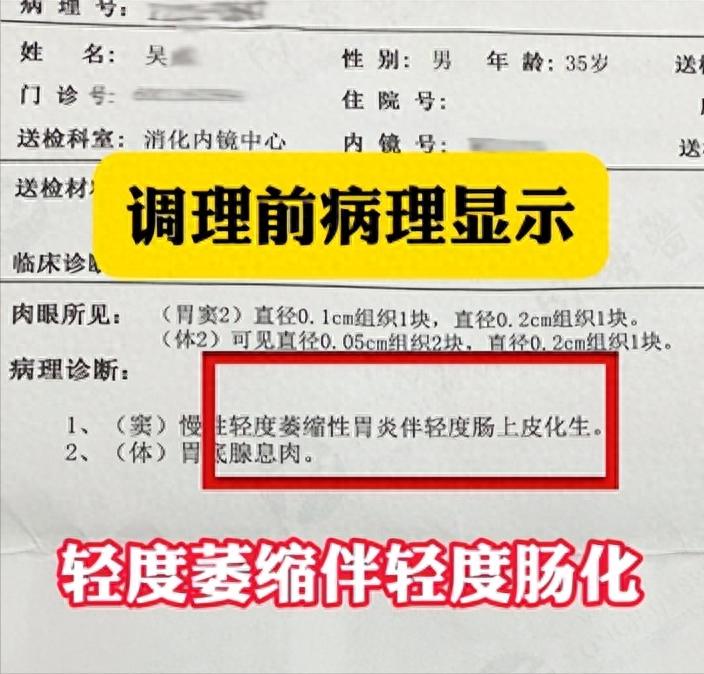
Mr. Wu, 35 years old, due to long-term overtime work, social engagements, and high mental stress, has experienced recurrent belching, heartburn, and post-meal abdominal distension like a drum for three years. He often has difficulty sleeping at night due to a burning sensation in the stomach. Gastroscopy shows:Chronic atrophic gastritis with mild intestinal metaplasia, pathology suggests mucosal structural changes have already occurred.
He had taken acid-suppressing drugs (PPI class) and prokinetic agents, and although the symptoms were temporarily relieved, they quickly rebounded once the medication was discontinued.
He once believed that:The stomach is already irreversible.
During the consultation, it was observed that Mr. Wu had a reddish tongue with thin yellow coating and a wiry-thin pulse. Considering his emotional distress and irregular eating habits, the diagnosis wasdisharmony between liver and stomach with spleen-stomach deficiency type gastric disease—that is, liver qi stagnation leading to stomach qi counterflow, while spleen deficiency impairs transportation, causing undigested food and water, forming "qi stagnation → acid reflux → mucosal damage"the closed loop.
I adopt a two-step strategy:
Step 1: Soothe the liver to relieve depression and calm the "stomach fire ignited by emotions"
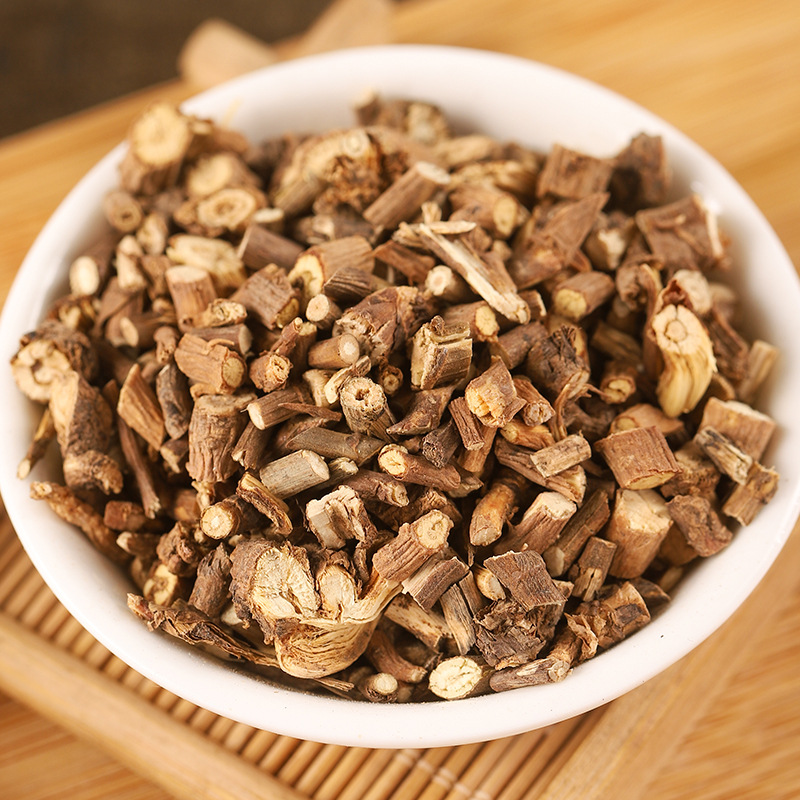
Modified Chaihu Shugan Powder combined with Zuojin Pill to regulate liver qi, reduce the neuroendocrine overdrive of gastric acid secretion, and decrease acid reflux and heartburn episodes at the source.
Step Two: Strengthen the Spleen and Boost Qi, Rebuild the Spleen and Stomach's Transporting and Transforming Functions
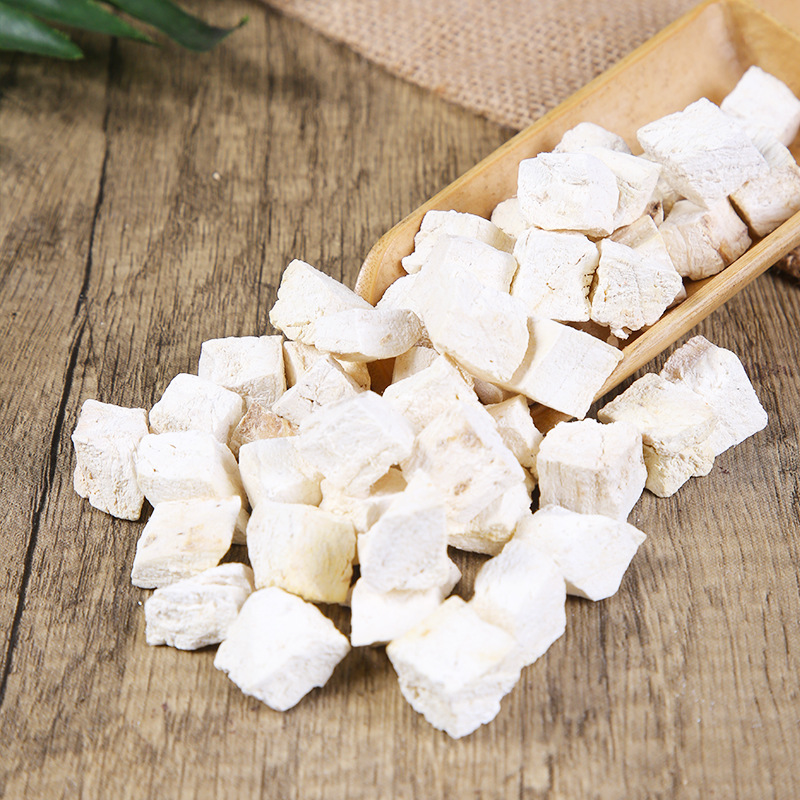
Based on Xiangsha Liujunzi Decoction, add Codonopsis pilosula, Atractylodes macrocephala, Poria cocos, and other spleen-strengthening and dampness-resolving herbs to restore gastrointestinal motility, improve bloating and poor appetite, and promote self-repair of damaged mucosa.
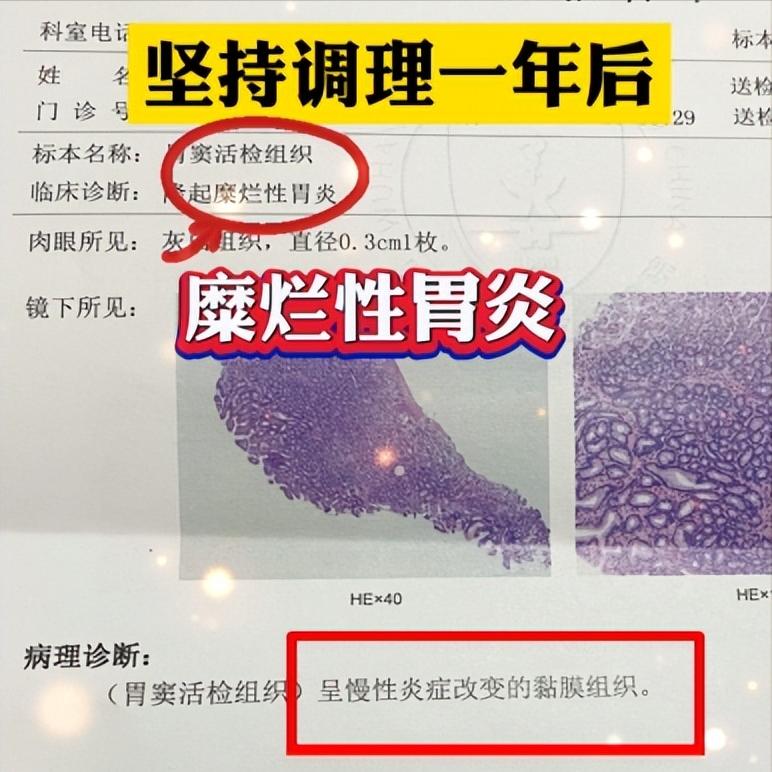
In the second month of treatment, the patient's belching disappeared, the frequency of acid reflux decreased by 80%, nighttime burning sensation significantly reduced, and sleep quality improved; after six months, a follow-up gastroscopy showed that the erosions had basically healed; one year later, another follow-up examination revealed significant improvement in atrophic gastritis, with intestinal metaplasia completely disappearing!
Three, Is Stomach Disease Reversible? The Key Lies in "Treating the Root Cause"
Modern medicine often considers atrophic gastritis and intestinal metaplasia as "irreversible" lesions, but traditional Chinese medicine, through holistic regulation, especially by harmonizing emotions and restoring the ascending and descending functions of the spleen and stomach, can often achieve clinical reversal.
The stomach is a mirror of emotions and a thermometer of life.
Rather than waiting until "intestinal metaplasia" or "atypical hyperplasia" to panic, it's better to start from today:
Maintain a regular schedule and avoid staying up late to prevent damage to yin.
Learn to reduce stress and maintain a cheerful mood
Eat light and chew slowly
Avoid random medication, prioritize physical constitution regulation.
Stomach disease is not an end point, but an alarm sounded by the body. Only by understanding its language and responding with science and wisdom can we truly achieve "a healthy stomach leads to a peaceful life."