Over forty years of clinical practice, I deeply feel that "cough is no minor ailment, and syndrome differentiation is key." I wish to use the art of traditional Chinese medicine to help you breathe peacefully.
The core pathogenesis of post-influenza cough is "lingering pathogen due to deficiency of healthy qi". Influenza virus belongs to the category of "seasonal epidemic toxin" in traditional Chinese medicine, which is fierce and changeable in nature, and tends to consume qi and damage yin. Although the virus turns negative after the illness, the qi of the lung and spleen has been impaired, and the defensive qi is not firm. Coupled with the lingering pathogens (phlegm turbidity, wind pathogen, blood stasis) lurking in the lung, it leads to abnormal dispersion and descent of lung qi, resulting in persistent and difficult-to-cure cough. Two common clinical syndrome types are:
- Lung and Spleen Deficiency with Internal Obstruction of Phlegm-DampnessThe spleen is the source of phlegm production, and the lung is the organ that stores phlegm. Spleen deficiency leads to the internal generation of phlegm-dampness, which ascends to affect the lung; lung deficiency results in weakened defensive qi, making it susceptible to external pathogens, thus creating a condition of "deficiency and excess intermingled."
- Deficiency of both lung qi and yin, internal disturbance of dryness-heatHeat disease damages body fluids, lung yin deficiency and consumption, deficiency fire scorches the lung, airway loses moisture, thus manifesting as dry cough with little phlegm, itchy throat and dryness.
Syndrome differentiation and treatment: classification-based treatment, precise medication
In response to the aforementioned pathogenesis, I often adopt the general principle of "supporting the healthy qi and eliminating the pathogenic factors," applying treatment based on syndrome differentiation, which yields significant therapeutic effects.
1. Syndrome of deficiency of both lung and spleen——Modified Yupingfeng and Liujunzi Decoction
Main SymptomsCough with shortness of breath, fatigue and spontaneous sweating, poor appetite and loose stools, aggravated by wind or exertion, pale and swollen tongue with white coating, soggy and slow pulse.
Therapeutic PrincipleStrengthen the spleen and tonify the lungs, consolidate the exterior and resolve phlegm.
Prescription:
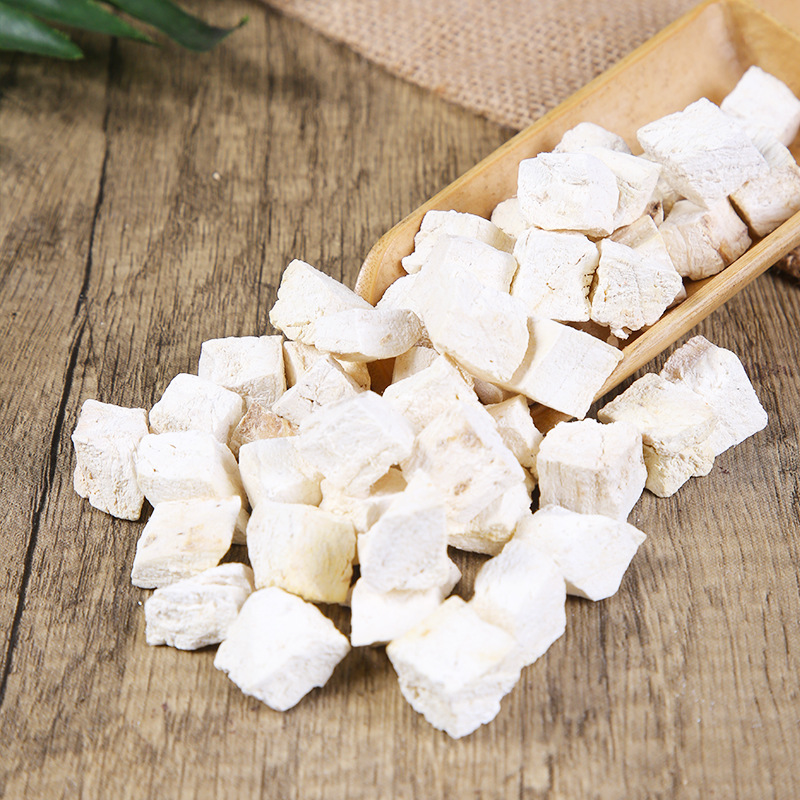
- Basic FormulaRed Ginseng Slices, Raw Astragalus, Fried Atractylodes, Saposhnikovia Divaricata, Poria, Ginger Pinellia, Dried Tangerine Peel, Honey Aster, Coltsfoot Flower, Zhejiang Fritillaria, Cinnamon Twig, Schisandra Chinensis, Honey-fried Licorice.
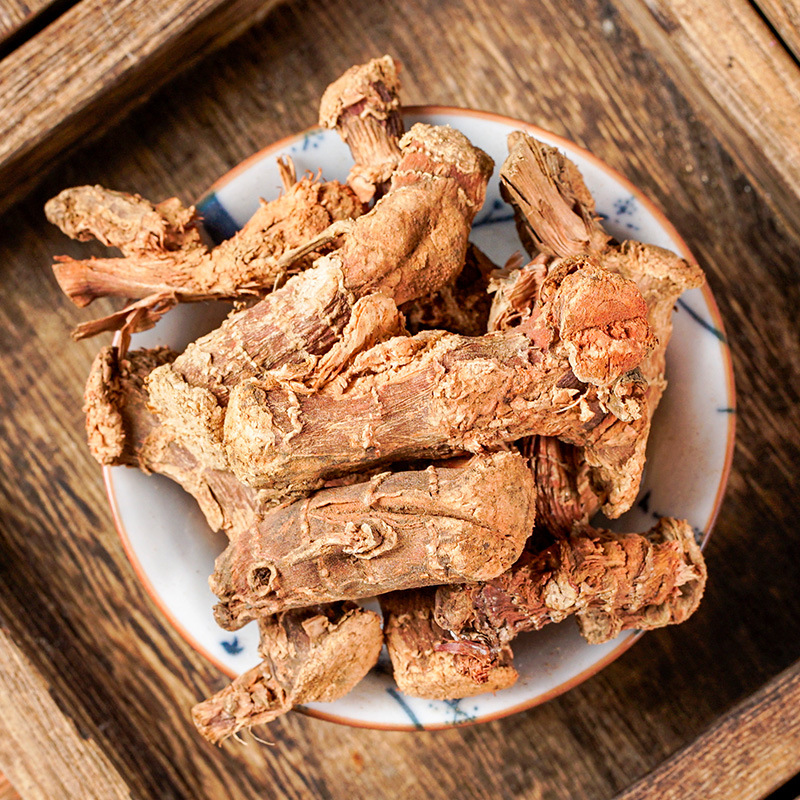
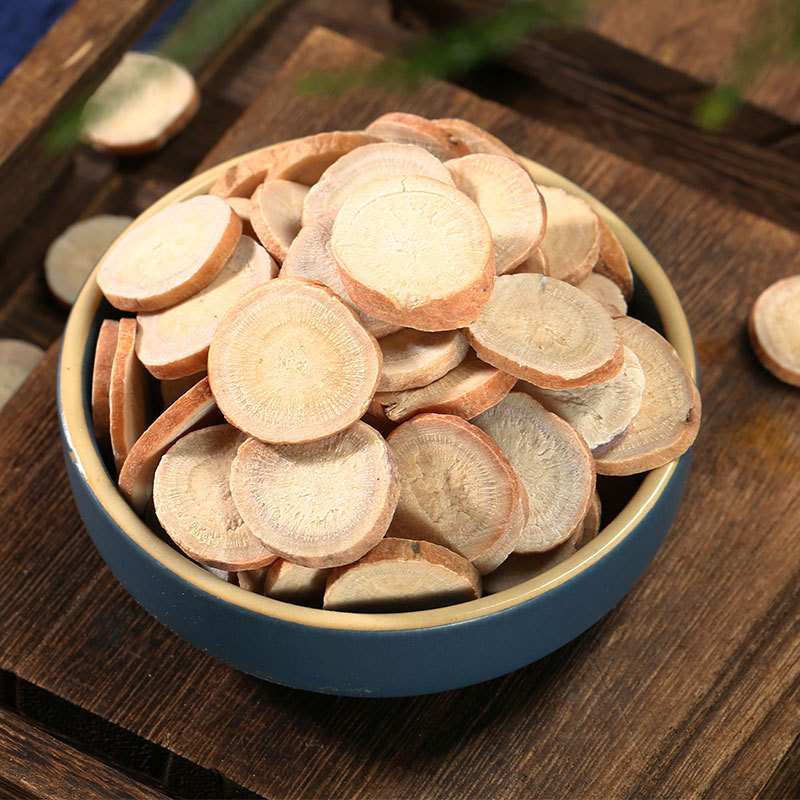
- Fang JieRed Ginseng and Astragalus tonify the qi of the lung and spleen; Atractylodes and Poria strengthen the spleen and resolve dampness; Aster and Coltsfoot Flower moisten the lung and relieve cough; Zhejiang Fritillaria clears phlegm-heat; Cinnamon Twig and Schisandra harmonize the nutritive and defensive levels, astringe the lung, and calm wheezing.
Addition and Subtraction: - profuse phlegm and chest distress: add trichosanthes peel, pummelo peel, and ginger-prepared magnolia bark;
- Severe cough with urinary incontinence: add Alpiniae Oxyphyllae Fructus, Psoraleae Fructus, Rubi Fructus;
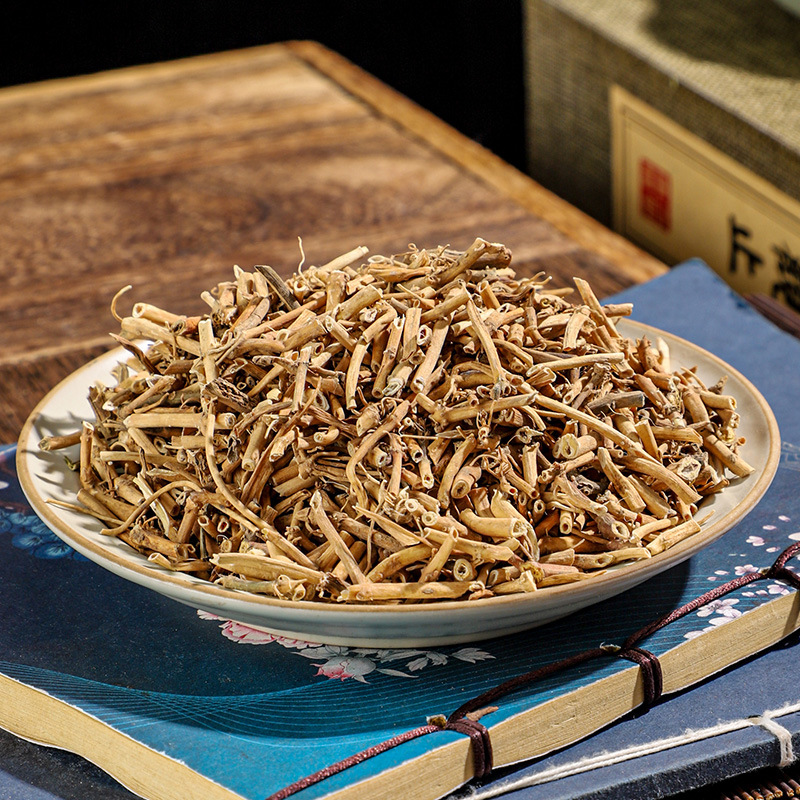
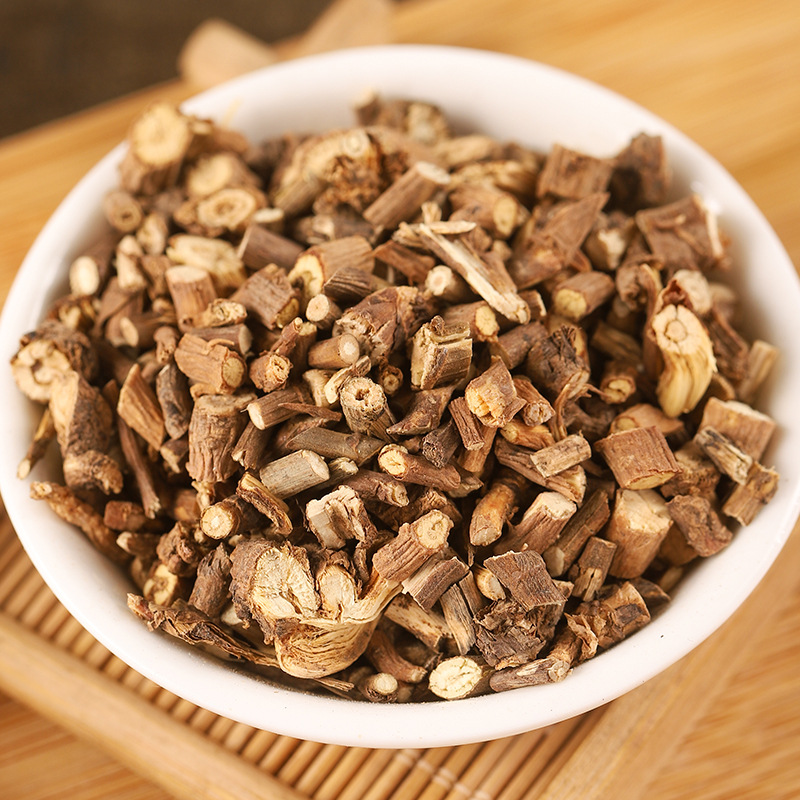
- Pharyngeal itching sensitivity: add Cicada Slough, Mume Fructus, and Cynanchi Paniculati Radix.
2. Syndrome of Deficiency of Both Lung Qi and Yin - Yiqi Runfei Zhike Decoction
Main SymptomsItchy throat with choking cough, scanty and difficult-to-expectorate sputum, dry mouth and tongue, triggered by cold wind or odors, red tongue with thin coating, fine pulse.
Therapeutic principleReplenish Qi and nourish Yin, moisten the lungs and dispel wind.
Prescription:
- Basic FormulaRadix Adenophorae, Radix Glehniae, Radix Astragali, Radix Ophiopogonis, Folium Mori, Semen Armeniacae Amarum, Bulbus Fritillariae Thunbergii, Periostracum Cicadae, Radix Asteris, Flos Farfarae, Radix Platycodonis, Radix Saposhnikoviae, Folium Eriobotryae, Radix Glycyrrhizae.
- Fang JieGinseng and Radix Adenophorae Strictae tonify qi and nourish yin; Mulberry Leaf and Cicada Slough dispel wind and soothe the throat; Apricot Kernel and Fritillaria thunbergii resolve phlegm and relieve cough; Aster and Coltsfoot Flower moisten the lungs and direct qi downward.
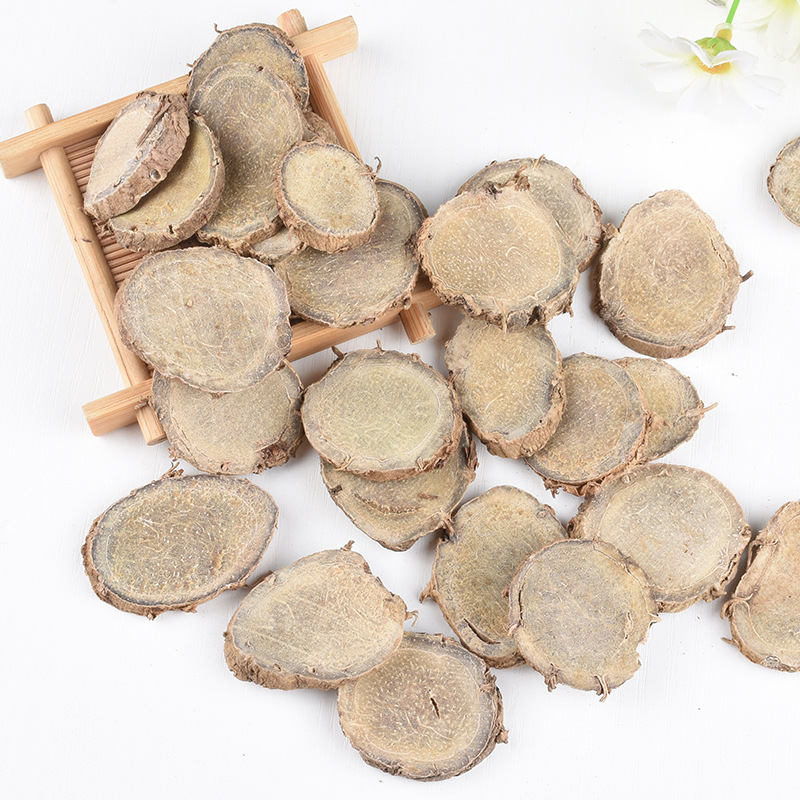
Addition and Subtraction: - Sore throat with follicular hyperplasia: add Scrophulariae Radix, Ranunculi Ternati Radix, and Belamcandae Rhizoma;
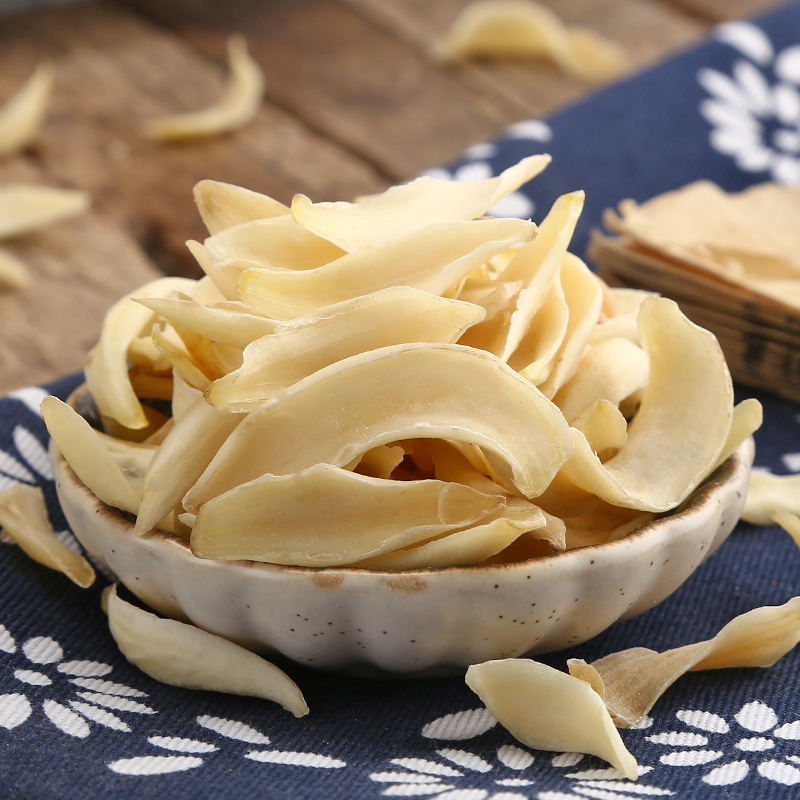
- Dry cough without phlegm: add lily bulb, Sichuan fritillary bulb, and dark plum flesh.
Characteristic empirical formula: Astringing the lung and consolidating the root, treating both the symptoms and the root cause
For those with prolonged cough and floating lung qi, I often useGinseng Aster DecoctionEnding the Exercise:
- PrescriptionGinseng, Aster, Cinnamon Twig, Schisandra, Almond, Amomum, Terminalia Chebula, Ginger, Dark Plum
- EfficacyTonifying the lung and astringing qi, dispersing cold and resolving fluid retention. Suitable for those with prolonged cough, breathlessness upon exertion, sweating, and fear of wind.
Dietary Therapy Assistance: Food and Medicine Share the Same Source, Consolidating Therapeutic Effects
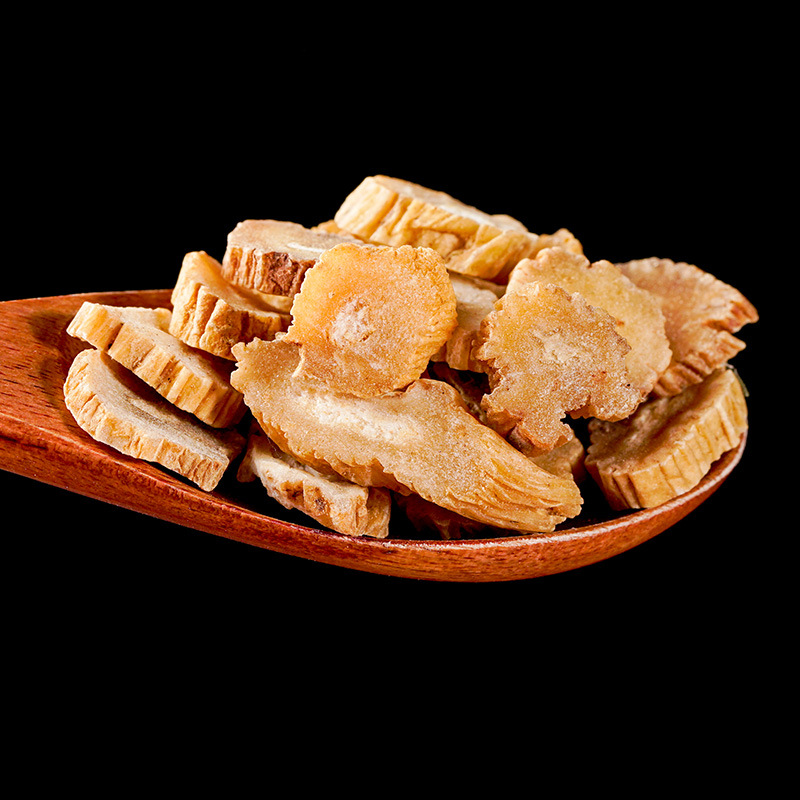
- Astragalus porridgeBoil Astragalus root to extract juice and cook japonica rice with it, which benefits qi and nourishes the lungs, suitable for daily recuperation of those with lung qi deficiency and chronic cough.
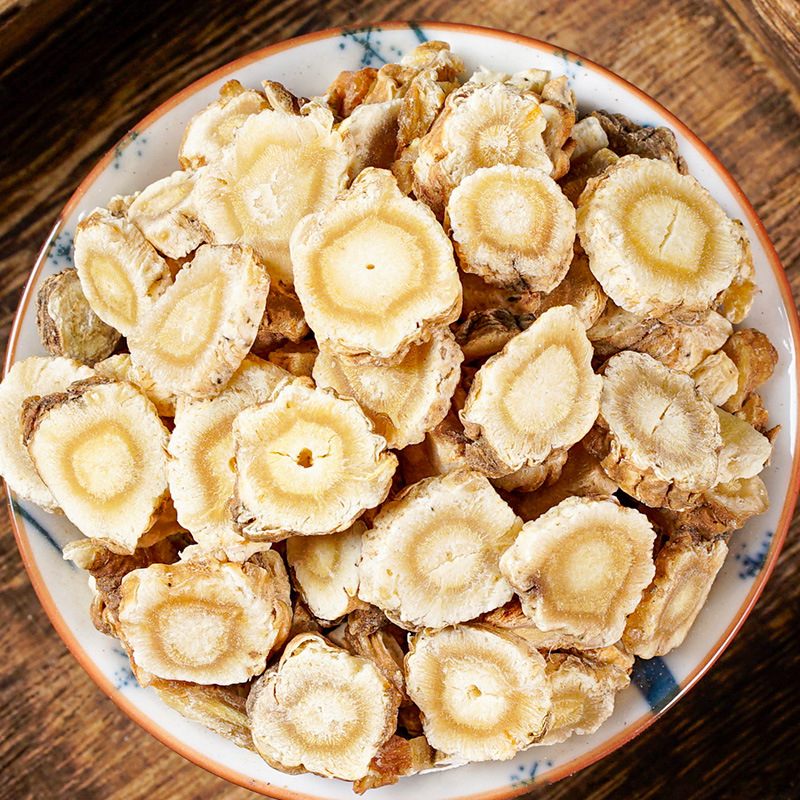
- Stewed Snow Pear with Sichuan FritillariaRemove the core of the snow pear, add Sichuan fritillary bulb and rock sugar, steam until cooked, and consume to moisten the lungs and resolve phlegm, especially suitable for dry cough due to yin deficiency.
Prevention and Care Prevention before illness onset and prevention of recurrence after recovery
- Avoid wind and coldAfter recovering from influenza, the body's vital energy has not yet fully restored, so it is important to guard against the invasion of external pathogens, especially by keeping the neck and back warm.
- Regulate DietAvoid spicy and greasy foods, consume more spleen-nourishing and lung-moistening foods such as Chinese yam, lily bulbs, and white fungus.
- Regulate EmotionsA prolonged cough can easily lead to anxiety, so it is important to maintain a calm state of mind and avoid liver stagnation turning into fire and damaging the lungs.
Real patient case: Spleen deficiency with phlegm-dampness type - a 65-year-old retired teacher with a heavy and turbid cough
Mr. Chen, 65 years old, is a retired teacher. After contracting the flu last winter, although symptoms such as fever subsided, his cough never fully recovered and persisted intermittently for over two months. He described his cough as "feeling like phlegm stuck in the throat, unable to cough it out or swallow it down." The cough was heavy and dull, especially worsening after meals or when exposed to cooking fumes. Moreover, he often felt weak all over, became short of breath after walking just a few steps, and had a poor appetite, experiencing bloating after eating even a little. These symptoms made it difficult for him to concentrate, and he appeared noticeably haggard.
- Physical examinationThe tongue is pale and swollen with tooth marks on the edges and a white greasy coating; the pulse is soggy and slippery. Slight moist rales can be heard on auscultation at the base of both lungs.
- Syndrome DifferentiationThe spleen is the source of phlegm production, and the lungs are the organ that stores phlegm. Elderly Mr. Chen has a constitutionally weak spleen, leading to impaired transportation and transformation, which results in the accumulation of water-dampness into phlegm. This phlegm ascends and infiltrates the lungs, causing dysfunction in the diffusion and descent of lung qi. The core pathogenesis isSpleen deficiency is the root cause, while phlegm obstruction is the secondary manifestationbelongs to the typicalCough due to Spleen Deficiency and Phlegm-Dampness。
- treatment:
- PrescriptionSix Gentlemen Decoction combined with Two Cured Decoction with modifications
- Basic FormulaCodonopsis pilosula, stir-fried Atractylodes macrocephala, Poria cocos, honey-fried licorice, dried tangerine peel, ginger-processed Pinellia ternata, Atractylodes lancea, Magnolia officinalis
- ModifiedFried Radish Seed (promotes digestion and resolves phlegm), Aster Root (moistens the lungs and relieves cough), Fried Coix Seed (strengthens the spleen and promotes diuresis)
- Dietary Therapy CoordinationConsume yam and coix seed porridge (yam, coix seed, japonica rice) daily to enhance the spleen-strengthening and dampness-resolving effects.
- Life CareStrictly avoid raw, cold, and overly sweet or greasy foods; perform back tapping to expel phlegm in the morning (lightly tap the back from bottom to top with a cupped palm).
- Follow-up Visit:
- Second VisitAfter taking the medication, the phlegm becomes thinner and easier to expectorate, abdominal distension is reduced, and appetite improves. The prescription is maintained, removing Radish Seed and adding Astragalus to tonify lung qi.
- Third VisitThe cough has basically disappeared, physical strength has recovered, and the tongue coating has turned thin and white. The treatment was switched to Shenling Baizhu Powder to regulate the spleen and stomach for recovery. Follow-up for three months showed no recurrence.
Conclusion
Post-influenza cough, though not a critical condition, requires collaborative efforts between doctors and patients and patient adjustment due to its complex pathogenesis and tendency to recur. The advantage of traditional Chinese medicine lies in its syndrome differentiation and treatment.Overall regulation, treating both the root cause and symptomsBy methods such as tonifying the lung and strengthening the spleen, nourishing yin and moistening dryness, resolving phlegm and dispelling stasis, not only can symptoms be alleviated, but also the vital qi can be enhanced to prevent recurrence. During the high-incidence season of influenza in winter and spring, it is hoped that everyone can prevent illness before it occurs; if already ill, early diagnosis and treatment should be sought to avoid the trouble of "cough lingering after illness."