Reflux EsophagitisThis disease is very common nowadays, and many people call it "heartburn disease," but it is far more than just "heartburn."
It is a disease caused by the reflux of gastric acid and pepsin from the stomach into the esophagus, leading to discomfort symptoms or complications.
It's not just a stomach issue, it's the esophagus being tortured
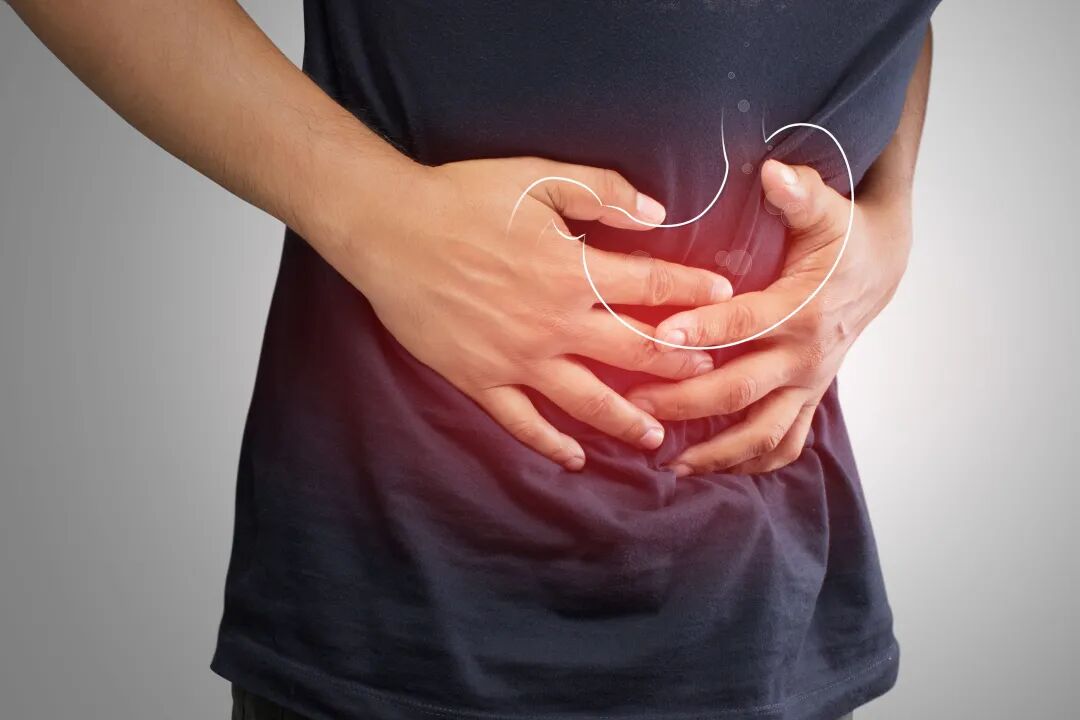
胃The stomach itself has a thick mucosal barrier and mucus, so it is not afraid of gastric acid. However,inner lining of the esophagusDelicate, lacking acid resistance.
Lower esophagussphincterLocated at the junction of the stomach and esophagus, it normally only allows food to pass from top to bottom, closing after eating to prevent stomach acid from rising.
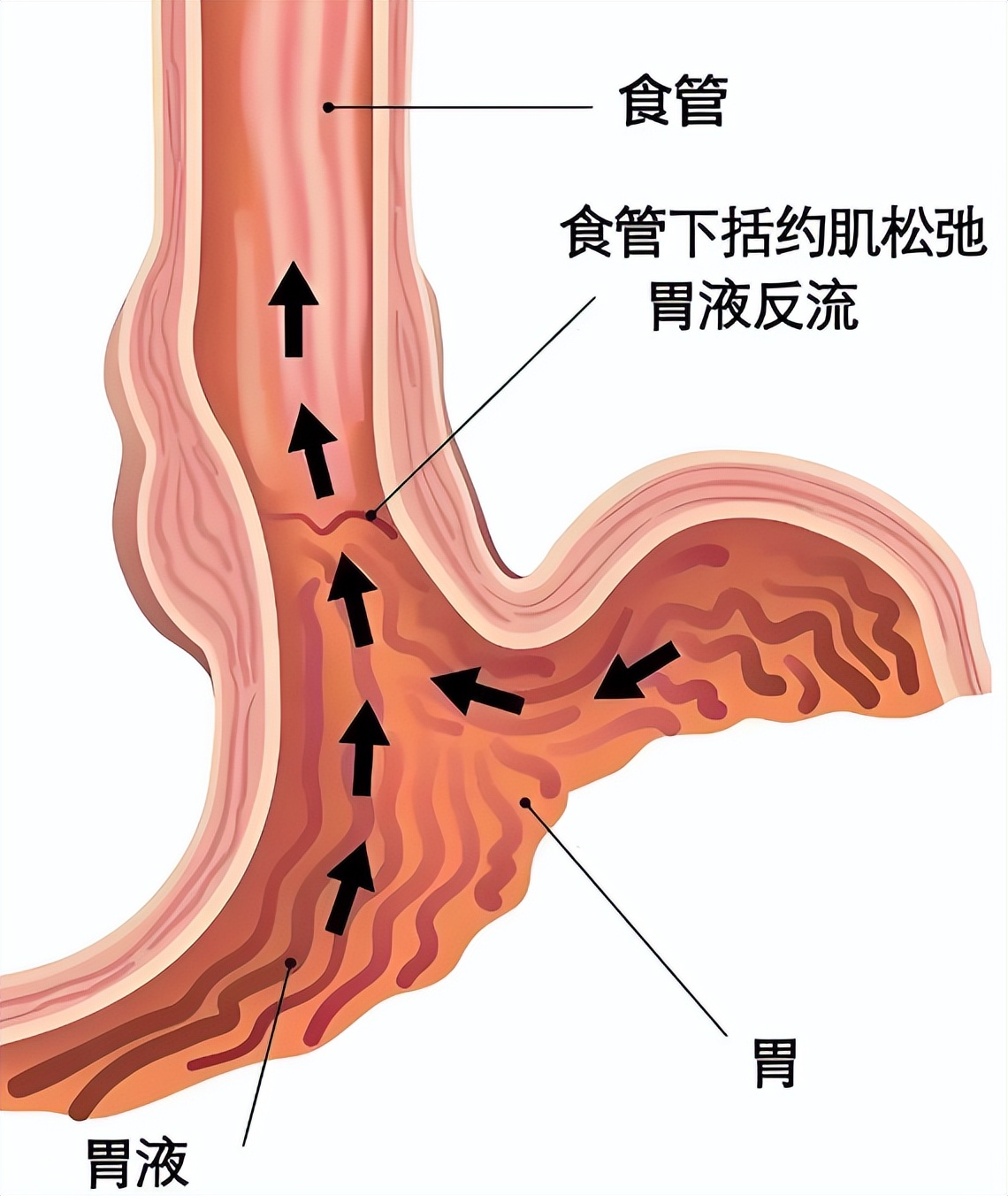
When this "valve" becomes loose and fails to close properly, stomach acid, along with undigested food, flows backward, corroding the delicate esophageal mucosa.
The esophagus is constantly soaked in acidic fluid, which is akin to being subjected to repeated torture.Inflammation, erosion, and even ulcers and bleeding may occur, with long-term stimulation also carrying a risk of cancer。
1
Tell a recent case
Mr. Li, 59 years old, has been suffering from reflux esophagitis for a full 20 years.
Over the past 20 years, he has frequently experienced a burning sensation and pain in his stomach, especially at night. Not only does he suffer from stomach discomfort, but he also has numerous dreams and wakes up easily, leading to long-term sleep deprivation and immense suffering.
Return for follow-up in one weekAt that time, Mr. Li reported: Stomach pain has somewhat alleviated, but recently a new symptom of postnasal drip has appeared. This is a normal reaction during the body's adjustment process; continue with the current prescription with modifications.
Second follow-up visitMr. Li happily reported that the stomach pain has further improved, although postnasal drip still persists, the overall feeling is moving in a positive direction.
Continuous medicationOne month laterMr. Li's gastric symptoms have basically improved, and issues such as reflux and burning pain are no longer significant.
Subsequently, the focus of treatment shifted to regulating sleep and addressing nasal issues, aiding the patient in achieving comprehensive recovery.
2
Why do people get this disease
Lower esophageal sphincter relaxation This is the most fundamental cause. It may be congenital or result from aging and poor lifestyle habits.
Secondly, it is poor lifestyle habits. Overeating, high-fat, spicy foods, etc., can all reduce sphincter pressure or stimulate gastric acid secretion.

Lying down immediately after a meal, bending over, or wearing tight clothing can increase abdominal pressure and push stomach acid upward.
Obese individuals have excessive abdominal fat, which continuously exerts pressure on the stomach. Additionally, smoking and drinking cause the sphincter to relax due to nicotine in tobacco and alcohol.
3
You may have these symptoms
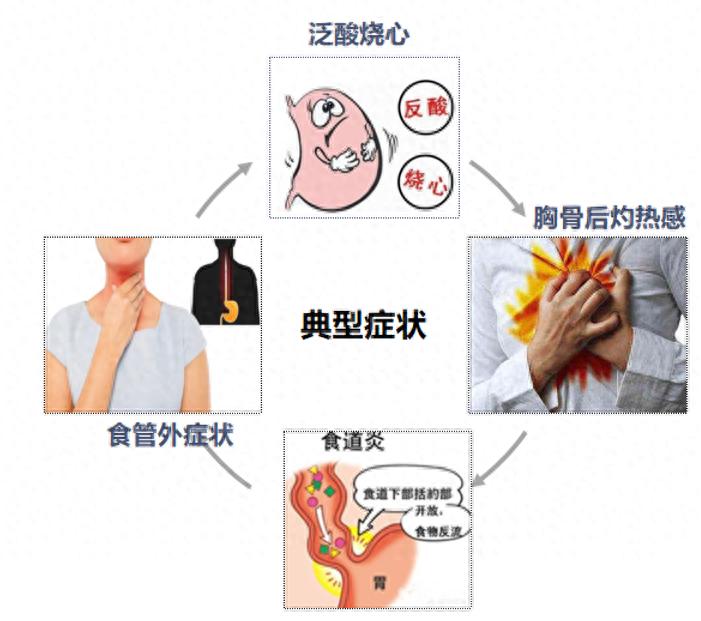
Typical Symptoms
heartburnBurning sensation behind the sternum, often worsens after meals or when lying flat.
refluxFeeling sour liquid or food rising to the throat or mouth.
Atypical symptoms, easily misdiagnosed
chest painIt resembles angina pectoris and requires differentiation.
Chronic cough, asthmaRefluxate stimulates the airway to trigger.
throat discomfortsore throat, foreign body sensation, hoarseness
oral problemsAcid erosion of teeth, bitter taste in the mouth, bad breath.
Ear Nose and Throat SymptomsJust like the patient in our medical case, symptoms such as postnasal drip and nasal congestion may be caused by reflux irritating the nasopharynx.
Sleep DisordersNighttime reflux causes choking cough and waking up, affecting sleep quality.
4
How does Traditional Chinese Medicine view
In traditional Chinese medicine, there is no disease name for "reflux esophagitis." It falls under the categories of "swallowing acid," "chaotic stomach," "stomach pain," and "plum pit qi." The core pathogenesis isstomach qi fails to descend and instead ascends。
However, there are many reasons that can lead to the upward rebellion of stomach qi, and common syndrome types include:

1. Stagnant Heat in Liver and Stomach
Most common. High stress and frequent anger lead to liver qi stagnation, which invades the stomach and transforms into fire. Manifested asHeartburn and acid reflux are severe, with dry mouth and bitter taste, irritability and easy angerTreatment:Soothe the liver and clear the stomach, descend counterflow and stop vomiting。

2. Dampness-heat in the spleen and stomach
Improper diet and indulgence in rich, greasy, and sweet foods lead to internal damp-heat and stagnation of stomach qi, causing upward rebellion. Manifestations includeEpigastric fullness and distension, acid regurgitation, sticky sensation in the mouth, unsmooth defecationTreatment:Clearing heat and resolving dampness regulating qi and harmonizing the stomach。

3. Spleen and Stomach Deficiency Cold
It appears to be a "heat pattern," but the underlying cause may be spleen and stomach weakness, leading to impaired transportation and transformation, which results in turbid qi ascending. The manifestations includeReflux but not heavy acid water, stomach likes warmth and pressure, fatigue, cold hands and feetTreatment:Warming the middle and strengthening the spleen, harmonizing the stomach and descending counterflow。

4. Qi Stagnation and Blood Stasis
The disease course is prolonged, and "prolonged illness enters the collaterals," leading to local qi and blood stagnation in the esophagus. It manifests asretrosternal stabbing pain, dysphagiaTreatment:Promoting Qi and Blood Circulation, Removing Blood Stasis and Dissipating Nodules。
Just like the medical case at the beginning of the article, the patient has a history of 20 years, accompanied by sleep problems, and later developed postnasal drip, which fully reflects the holistic and dynamic nature of the disease.
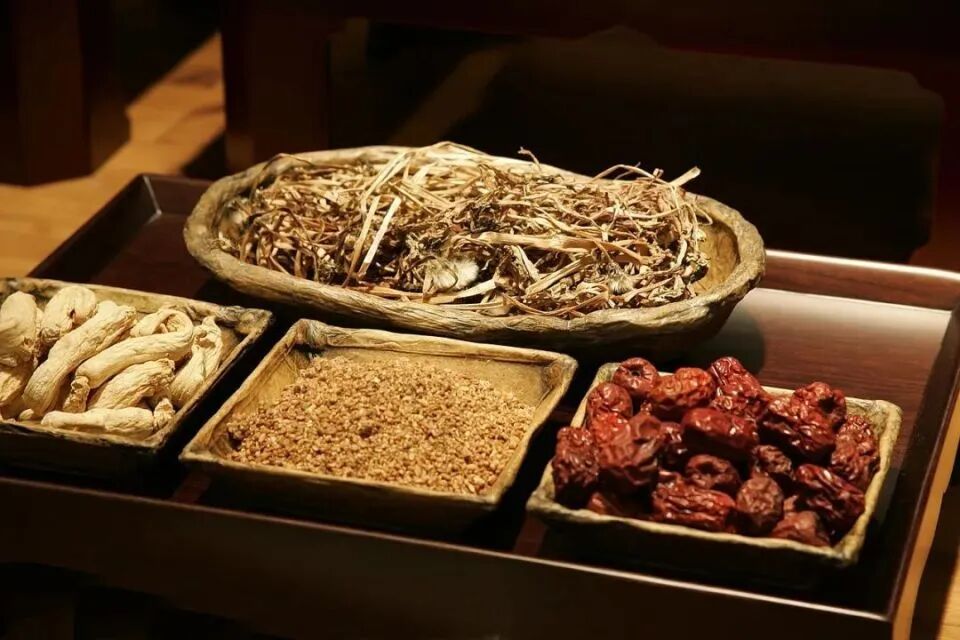
During treatment, we do not rely solely on "antacids." Instead, we dynamically adjust the prescription based on the primary contradictions at different stages.In the early stage, the focus may be on soothing the liver and harmonizing the stomach. In the later stage, as stomach qi gradually descends, the approach shifts to regulating the spleen and lungs (treating rhinitis) and calming the spirit (treating sleep).This is the approach of traditional Chinese medicine in treating the root cause of illness.
5
Conclusion
Reflux esophagitis, relying solely on medication to suppress stomach acid, often leads to recurrence after discontinuation. By integrating traditional Chinese medicine's syndrome differentiation and treatment, starting with regulating the body's qi mechanism and thoroughly changing poor lifestyle habits, both the symptoms and root causes can be addressed.