Clinical Notes of an Old Chinese Medicine Practitioner
One Liver Qi Stagnation The Source of All Diseases The Obstacle to Longevity
I am Yang Xiaoping, with nearly fifty years of medical practice, my deepest insight is:Soothing the liver is the trump card for longevity。

The Yellow Emperor's Inner Canon states:All diseases arise from qi, the liver governs free flow and regulates the qi movement of the whole bodyWhen liver qi flows smoothly, qi and blood are harmonious, and the organs are at peace; when liver qi is stagnant, qi stagnation and blood stasis occur, leading to various diseases.
In clinical practice, patients with liver qi stagnation often exhibit the following manifestations:
- Emotional Abnormalitiesirritable and easily angered, depressed and unhappy, chest tightness and frequent sighing (always wanting to take a deep breath)
- Somatic symptomsdistending pain in the hypochondrium, bitter taste in the mouth, dry mouth, indigestion, abdominal distension and belching
- Gynecological issuesBreast distension and pain before menstruation, irregular menstruation, and clotted menstrual blood
- Systemic EffectsInsomnia and frequent dreams, dizziness and headache, dull complexion.
These symptoms appear scattered, yet they share a common originAll due to the liver's failure to maintain free flow, leading to stagnation of qi movement.As stated in "Good Medicine and Good Prescriptions of Traditional Chinese Medicine," liver depression and qi stagnation can lead tohypochondriac pain, epigastric fullness and distensionwhile Chaihu Shugan San is precisely the classic formula targeting this syndrome.
Two, Bupleurum and Cyperus: The "Golden Duo" for Soothing the Liver and Regulating Qi
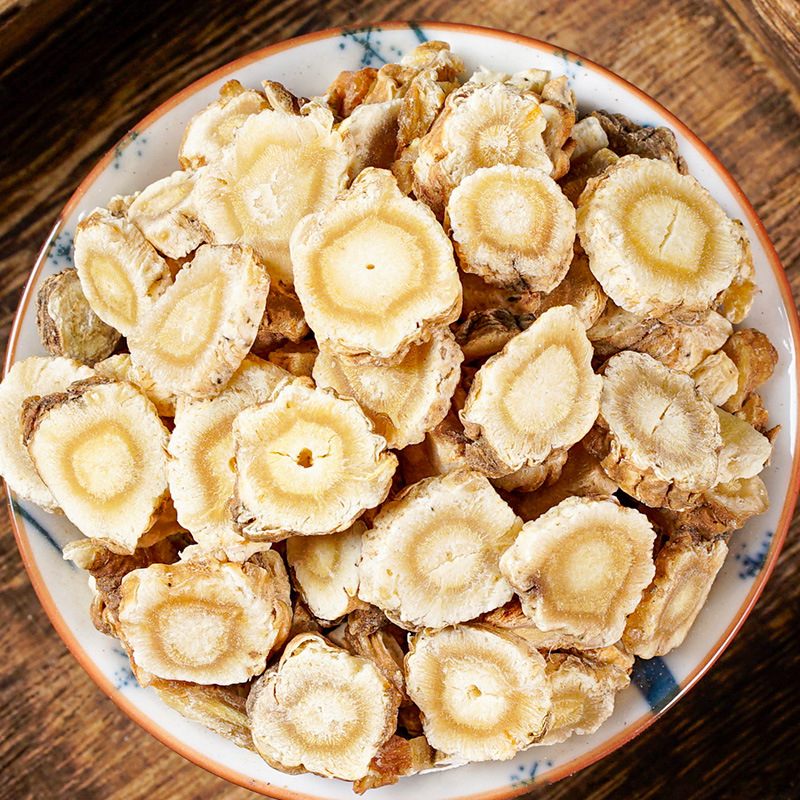
In years of clinical practice, I have summarized a core pair of medicinal herbs:Bupleurum paired with CyperusThese two herbs may seem ordinary, but they are the "key" to soothing the liver and relieving depression, capable of unlocking the knot of stagnant qi.
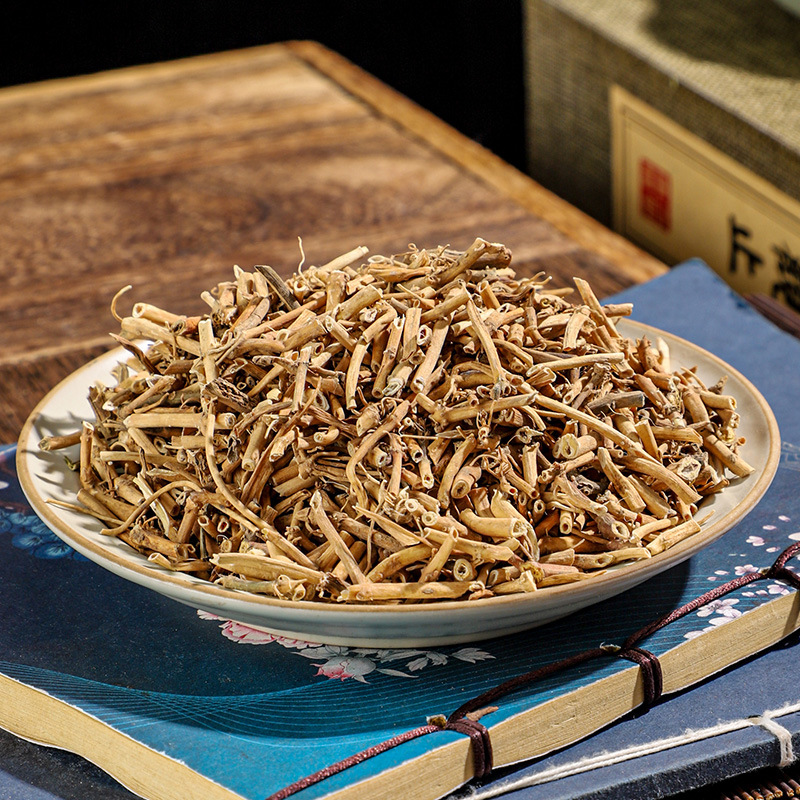
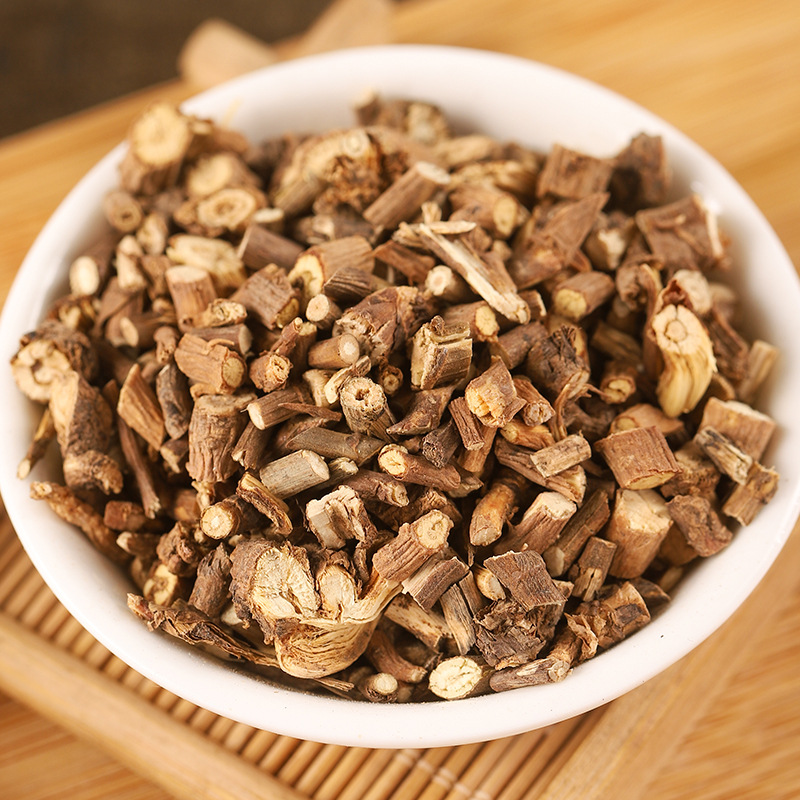
- Bupleurum: The "Pioneer" in Soothing Liver and Relieving DepressionTaste bitter, slightly cold, returns to the liver and gallbladder meridians, excels at "releasing the exterior and harmonizing, reducing fever and raising yang, soothing the liver and relieving stagnation." Modern pharmacology confirms that Bupleurum contains volatile oils, bupleurum alcohol, and other components, with sedative, analgesic, and liver-protective effects. Its ascending and dispersing nature can guide clear qi upward and resolve stagnation in the liver meridian, as recorded in the "Dian Nan Ben Cao":Treating pain in the right hypochondrium due to liver qi stagnation
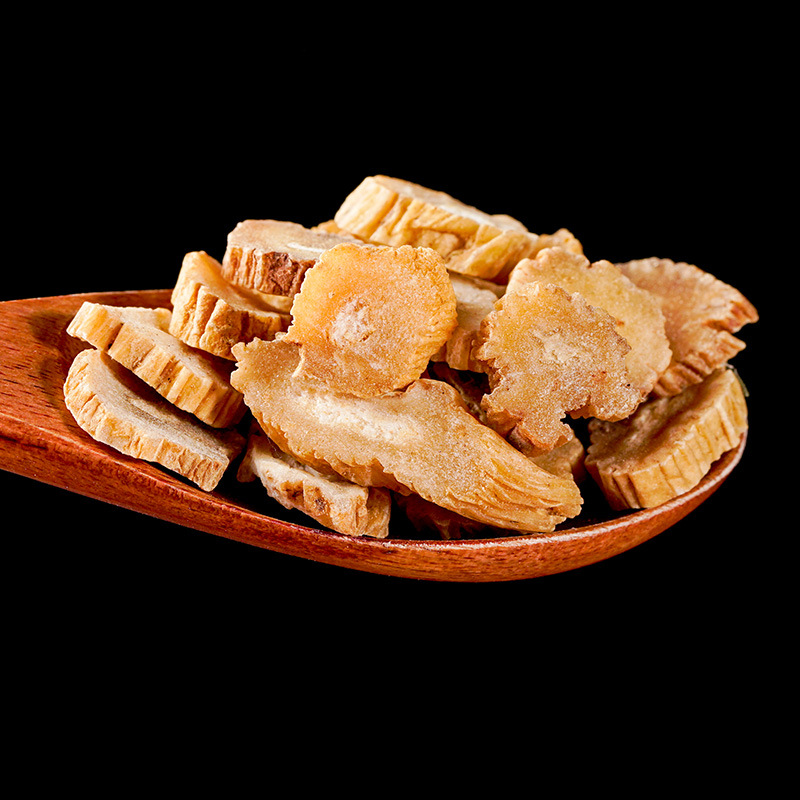
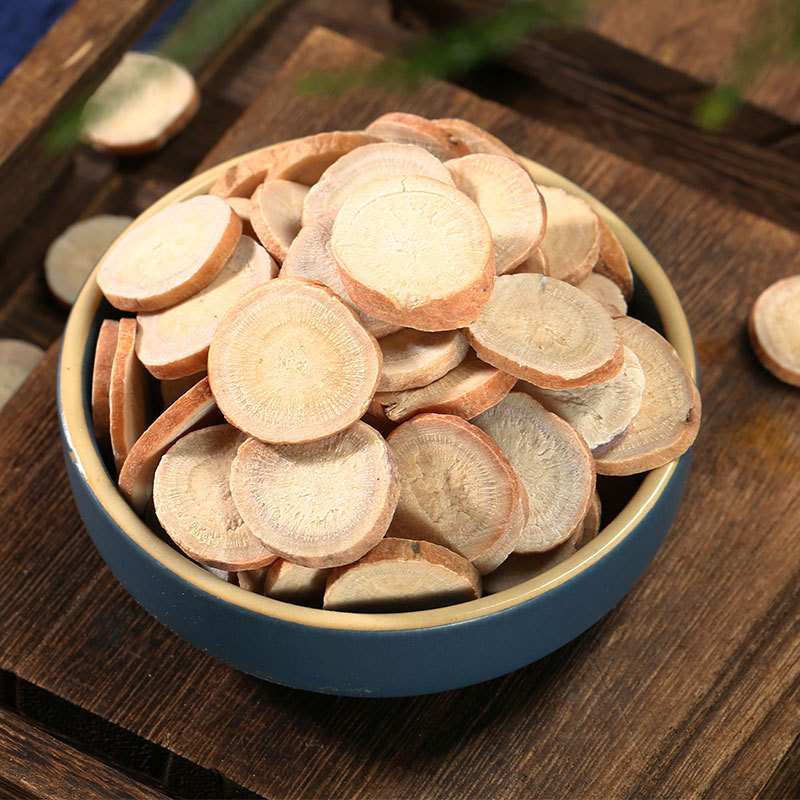
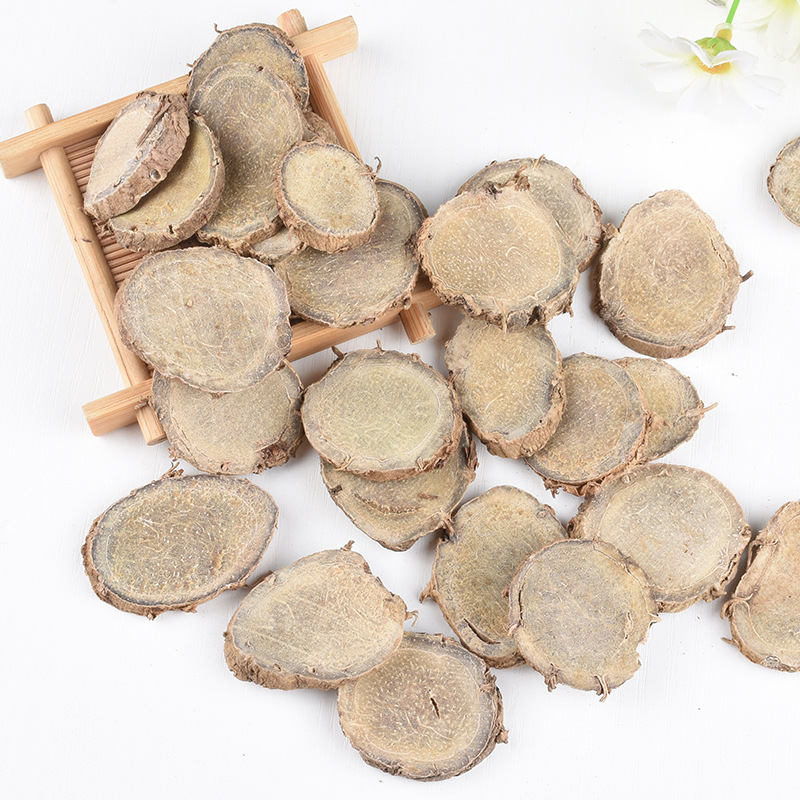
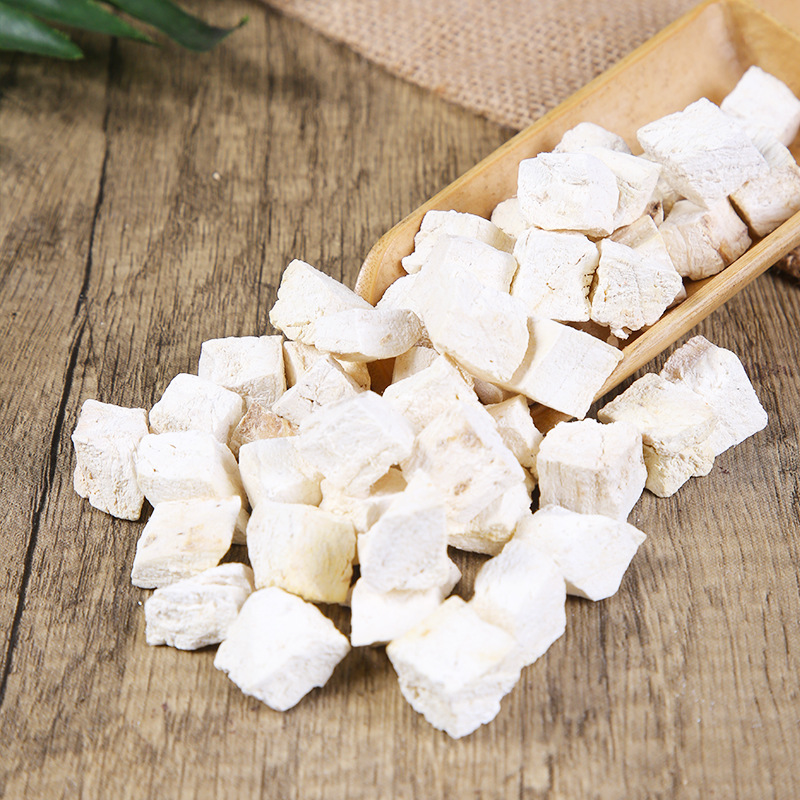
- Cyperus Rhizome: The "Chief Commander" for Regulating Qi and Relieving Painneutral in nature and pungent in flavor, it enters the liver meridian, excelling in "promoting qi flow to relieve stagnation, regulating menstruation, and alleviating pain," and is hailed as the "commander of qi disorders." It can unblock the qi mechanism of the triple energizer, particularly effective for chest and hypochondriac distension and menstrual irregularities caused by liver qi stagnation.
- The Art of Compatibility: Synergistic Enhancement, Directly Targeting Pathogenesis to Soothe the Liver and Regulate QiBupleurum disperses stagnation and elevates, while Cyperus promotes qi flow and removes stagnation. One ascends and the other descends, harmonizing qi movement like "spring breeze caressing willow branches."Activating Blood and Relieving PainQi movement promotes blood circulation, alleviating symptoms of blood stasis such as hypochondriac pain and premenstrual abdominal pain.Harmonizing the Liver and StomachIt has good efficacy for belching, nausea, and abdominal distension caused by liver qi invading the stomach.
This combination is precisely the core of Chaihu Shugan Powder (Bupleurum, Cyperus, Bitter Orange, Tangerine Peel, Peony, etc.), clinically often used for chronic gastritis, menopausal syndrome, breast hyperplasia, and other conditions belonging to liver depression and qi stagnation.
III. Clinical Approach: Holistic Regulation from "Disease" to "Person"
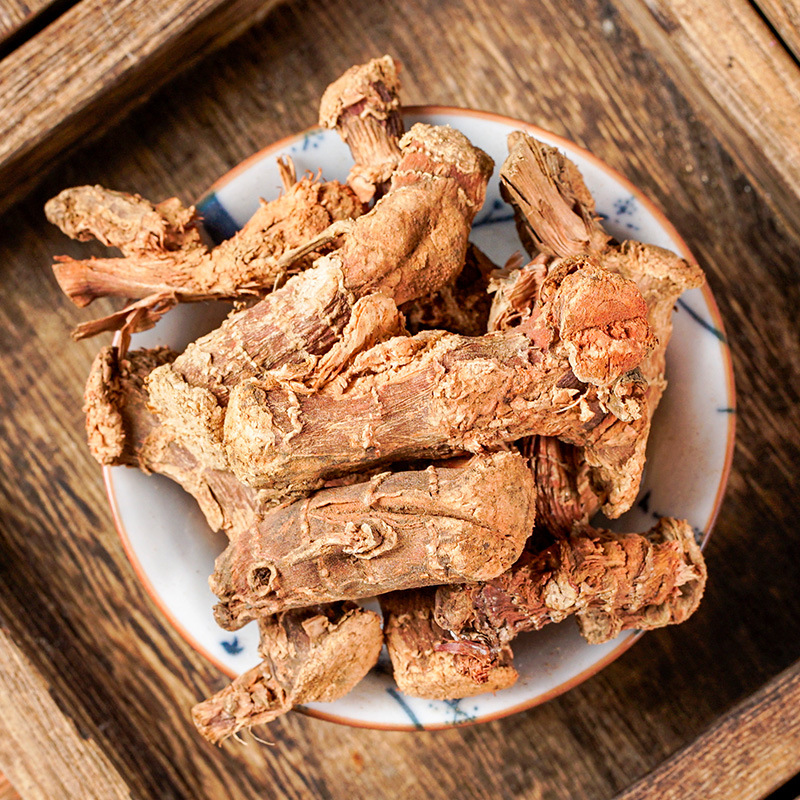
A 38-year-old female patient had been experiencing chest tightness, irritability, and irregular menstruation for three years, with no improvement despite various treatments. I prescribed a modified version of Chaihu Shugan San, using Bupleurum and Cyperus as the base, along with Red Peony Root and Stir-fried Bitter Orange, and instructed her to steep the herbs in water daily as a tea substitute. Upon follow-up after some time, her chest tightness had subsided, her menstrual cycle had become regular, and her complexion had turned rosy.
My approach to regulation is divided into three steps:
- Liver Soothing Takes PriorityWith Bupleurum and Cyperus as the sovereign herbs, directly targeting the pathogenesis of liver depression
- Addressing both the primary and secondary symptomsIf accompanied by blood stasis (clotted menstrual blood, dark purple tongue coating), add Chuanxiong and Chishao to promote blood circulation; if accompanied by spleen deficiency (poor appetite, fatigue), combine with Baizhu and Fuling to strengthen the spleen; if transforming into fire (bitter taste in the mouth, red tongue with yellow coating), add Yujin and Danpi to clear heat.
- Internal and external cultivation:Emotional RegulationGuide patients to practice the "Regulating the Spleen and Stomach with Single Arm Raise" posture of Baduanjin to promote the ascent and descent of qi.
- Dietary CoordinationRecommend bergamot brown sugar tea and cyperus rotundus tangerine peel porridge to assist in soothing the liver and regulating qi.
IV. Usage Notes: Syndrome Differentiation is Key, Avoid Missteps
Bupleurum and Cyperus are effective, but must be used according to syndrome differentiation:
- Applicable PopulationLiver Qi Stagnation Syndrome (wiry pulse, emotional depression, hypochondriac distension) is optimal;
- Contraindicated PopulationsUse with caution in cases of yin deficiency with effulgent fire (red tongue with scant coating, vexing heat in the five centers), as Bupleurum and Cyperus are warm and drying in nature; not suitable during the acute phase of cholecystitis or hepatitis (fever, red tongue with yellow coating) to avoid exacerbating heat.
- Course ControlThese two medicines are aromatic, pungent, and drying. Prolonged use may easily deplete qi and damage yin. It is recommended to reduce the dosage or combine them with yin-nourishing medicines after symptoms are alleviated.
V. Health Advice for Readers: Soothing the Liver is a Daily Task for Longevity
- Emotion ManagementSit quietly for 10 minutes daily, silently recite the "Xu" mantra (a Traditional Chinese Medicine liver-soothing breathing technique) to dissolve stagnant energy;
- Dietary RegulationRegular consumption of leafy green vegetables (spinach, celery) and rose tea, while reducing intake of spicy and greasy foods.
- Exercise GuidanceIn the morning, tap the liver meridian (inner thigh) or practice Tai Chi to promote the smooth flow of qi.
Conclusion: Soothing the liver is nurturing life, and good fortune naturally follows
Having practiced medicine for half a century, I deeply understand:Health is not bought with money but realized through enlightenmentWhen the liver qi flows smoothly, all meridians are at peace, which is the key to longevity. If you are troubled by issues such as emotions, digestion, or spleen and stomach problems, you might consider trying the "golden combination" of Bupleurum and Cyperus, but be sure to use it under the guidance of a traditional Chinese medicine practitioner based on syndrome differentiation.
Finally, I would like to share a quote with everyone:Always keep the intention to soothe the liver, and happiness and longevity will naturally come.May your qi and blood be harmonized, and your blessings be everlasting