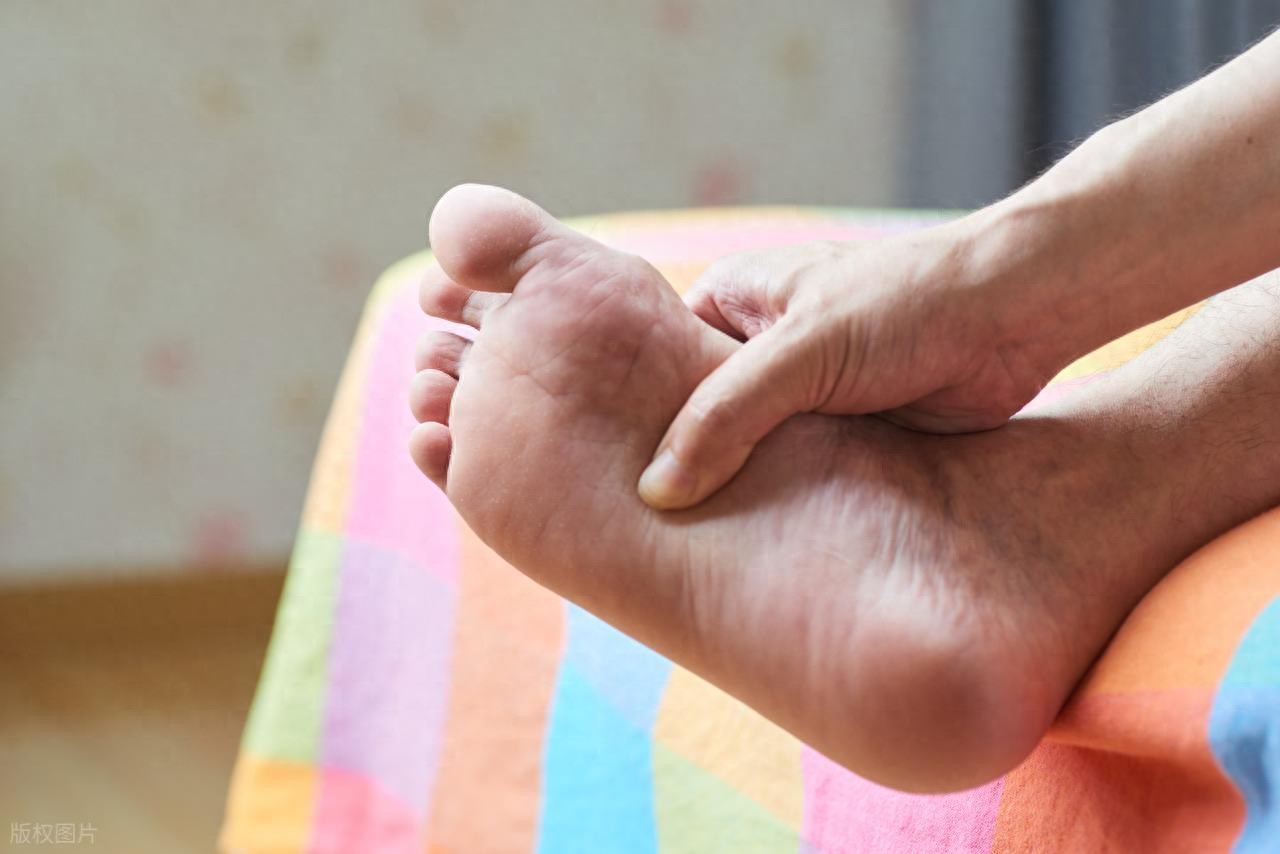
Cold hands and feet are a common clinical discomfort symptom that women are prone to experience, especially in winter when the occurrence of this symptom is particularly noticeable.
I believe the etiology and pathogenesis of this symptom include the following situationsInsufficiency of Yang Qi, deficiency of both Qi and Blood, Yang depression and reversal cold, obstruction by cold-dampness, Qi stagnation and blood stasis, Yang deficiency of the spleen and kidney.
Insufficiency of Yang Qi
When the patient has cold hands and feet and cold limbs, it is often accompanied by symptoms such as aversion to cold, a bland taste in the mouth without thirst or a preference for hot drinks, a liking for hot food, spontaneous sweating, clear and abundant urine, loose stools, coldness in the abdomen, pale complexion, a pale and swollen tongue with a white and slippery coating, and a deep and slow pulse.
Generally seen in individuals with constitutional yang deficiency, those with prolonged illness damaging yang, or the elderly and physically weak.
Therapeutic principle: Warm and tonify yang qi, disperse cold and rescue collapse.
Prescription: Sini Decoction or Lizhong Decoction with modifications for treatment.
Qi and Blood Deficiency
When patients have cold hands and feet, they often experience fatigue and weakness, mental exhaustion and poor appetite, palpitations and insomnia, dizziness and forgetfulness, night sweats and deficiency heat, sallow complexion, pale tongue with thin coating, and weak and thready pulse.
Generally seen in patients with improper diet, which damages the spleen and stomach; excessive contemplation, which depletes qi and blood; prolonged illness and physical weakness, leading to qi and blood deficiency; chronic blood loss, resulting in deficiency of both qi and blood.
Therapeutic Principle: Tonifying Qi and Nourishing Blood, Strengthening the Spleen and Nourishing the Heart.
Prescription: Modified Bazhen Decoction or Guipi Decoction.
Yang Stagnation and Cold Limbs
While the patient's hands and feet are not warm, they are often accompanied by slight body heat or chest irritability, or cough, or palpitations, irritability or emotional depression, distension and discomfort in the ribs, pain in the epigastric region and abdomen, frequent sighing, or throat discomfort, irregular menstruation, pale red tongue with thin white coating, and wiry or thin wiry pulse.
It is seen in patients with long-term emotional distress, sudden mental or psychological stimulation, or invasion of pathogenic factors into the liver meridian, leading to stagnation of liver qi and impaired dispersion.
Therapeutic principle: Soothe the liver to relieve depression, regulate qi and strengthen the spleen.
Prescription: Modified Sini Powder or Xiaoyao Powder.
Cold-Dampness Obstruction
Patients with cold hands and feet often experience difficulty in flexing and extending the metacarpophalangeal joints, joint pain that worsens with cold and alleviates with warmth. They may also present with symptoms such as soreness, heaviness, swelling, or deformity in muscles and joints, numbness of the skin, a pale or bluish tongue with thin white or white greasy coating, and a tight or slow pulse.
It is seen in fashionable women who have long lived in cold and damp places, who prioritize style over warmth in their clothing, and in patients who have been exposed to wind, cold, and dampness after sweating.
Treatment principle: Disperse cold and eliminate dampness, warm the meridians and unblock the collaterals.
Prescription: Modified Qianghuo Shengshi Decoction or Yiyiren Decoction.
Qi Stagnation and Blood Stasis
When patients have cold hands and feet, they often experience chest pain, headache, fixed pain location, stabbing pain sensation, palpitations and insomnia, irregular menstruation, heavy and dark-colored menstrual clots, dysmenorrhea, irritability and anger, hot flashes, dark lips, cyanotic tongue, sublingual ecchymosis or dark purple varicose veins, and a choppy or wiry and tight pulse.
It is seen in patients with long-term emotional imbalance, lack of exercise, indulgence in rich and greasy foods, and weak constitution.
Therapeutic Principle: Activating blood to remove stasis, promoting qi to relieve pain.
Prescription: Xuefu Zhuyu Decoction or Shaofu Zhuyu Decoction with modifications for treatment.
Spleen and Kidney Yang Deficiency
In patients with cold hands and feet, it is often accompanied by symptoms such as cold body and limbs, pale complexion and fatigue, cold pain in the lower back and knees, clear and thin diarrhea, facial and limb swelling, difficulty urinating, pale and swollen tongue with white and slippery coating, and deep, slow, and weak pulse.
It is seen in patients with overexertion, prolonged illness and weakness, leading to qi consumption and yang damage; chronic diarrhea and dysentery, deficiency of both the spleen and kidney; prolonged kidney disease, and water-dampness overflow.
Therapeutic Principle: Warming Yang to Promote Qi Transformation, Promoting Diuresis and Excreting Dampness.
Prescription: Modified Wuling Powder or Zhenwu Decoction.
In addition to the common etiologies and pathogenesis mentioned by the author, there are several other causes. A comprehensive analysis and judgment should be made based on the accompanying symptoms of cold limbs and the four diagnostic methods before proceeding with disease differentiation, syndrome differentiation, and treatment to ensure thoroughness.