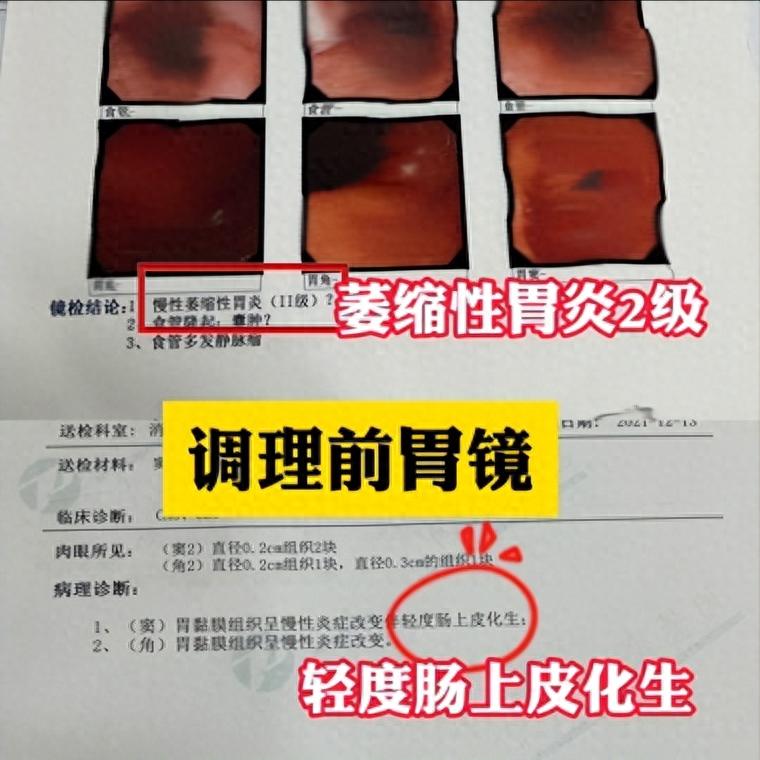
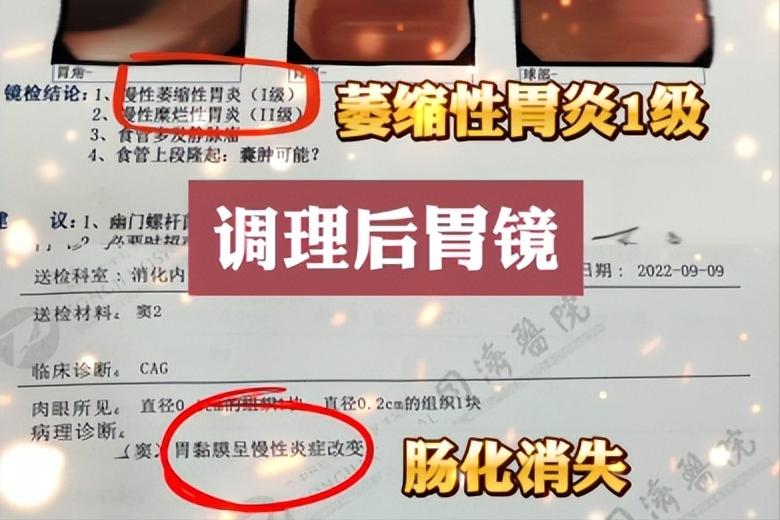
When I saw Mr. Zhang's follow-up report, I felt genuinely relieved in my heart—atrophic gastritis C2 with mild intestinal metaplasia had actually been reduced to C1 after traditional Chinese medicine treatment, and the intestinal metaplasia had disappeared!
This is not just the alleviation of symptomsIt is a pathological reversal.
Can you imagine? Mr. Zhang, 45 years old, was tormented by stomach bloating and belching three months ago, unable to sleep at night: post-meal bloating extended to both flanks, worsening with emotional agitation, loss of appetite, and alternating loose stools and constipation.
Gastroscopy reveals "atrophic gastritis C2 with mild intestinal metaplasia," Helicobacter pylori (Hp) negative. Western medicine often has no effective treatment and can only recommend regular follow-up examinations to prevent the risk of cancer.
After Mr. Zhang found me, he sought treatment with a mindset of giving it a try.
The TCM syndrome differentiation indicates disharmony between the liver and stomach combined with spleen-stomach deficiency: emotional distress leads to liver qi invading the stomach, and prolonged illness damages the spleen and stomach, resulting in impaired transportation and transformation functions. After six months of systematic conditioning, not only did his symptoms completely disappear, but the gastroscopy results also showed a surprising reversal!
Mr. Zhang sighed with emotion:I never expected that traditional Chinese medicine's syndrome differentiation and treatment would not only eliminate the symptoms but also reverse the pathology!
This is by no means an isolated case; behind it lies the unique wisdom of traditional Chinese medicine in treating chronic stomach diseases.
Atrophic Gastritis: The Silent 'Precancerous Lesion', Why is it Difficult to Cure in Western Medicine
Atrophic gastritis is a chronic gastritis characterized by the reduction or disappearance of gastric mucosal glands (i.e., atrophy), which is a precancerous lesion and may progress to gastric cancer.
According to the OLGA staging system, C2 represents moderate atrophy with a higher risk while C1 indicates mild atrophy with a reduced risk. The accompanying intestinal metaplasia refers to the replacement of gastric mucosa by intestinal cells, which also increases the probability of cancer.
Mainstream Western medicine primarily focuses on eradicating Hp infection and using acid-suppressing drugs. However, for patients like Mr. Zhang who are Hp-negative, treatment is often limited to symptomatic management and regular gastroscopy follow-ups, with no ability to reverse pathological changes.
Unfortunately, many patients, like Mr. Zhang in the early stages, overlook symptoms such as abdominal bloating and belching, only becoming alert when issues are detected during a gastroscopy.
The causes of atrophic gastritis are complex, including irregular diet, excessive stress, Helicobacter pylori infection, or autoimmune factors.
Data shows that the risk of cancer in C2-level atrophy is 5-10 times higher than in a normal stomach, making early intervention crucial.
TCM Syndrome Differentiation: Starting from "Liver-Stomach Disharmony + Spleen-Stomach Weakness", Treating the Root Cause Rather Than the Symptoms
Traditional Chinese Medicine believes that the root of stomach disease lies in overall imbalance.
Mr. Zhang's tongue is pale red with tooth marks and a thin white coating, and his pulse is wiry and thin—this is a typical combination pattern of disharmony between the liver and stomach with spleen-stomach deficiency.
Emotional irritability leads to liver qi stagnation, which "transversely invades the stomach," disrupting the ascent and descent of stomach qi, causing bloating and belching. Additionally, prolonged illness depletes spleen qi, impairing its transportation and transformation functions, resulting in poor appetite and irregular bowel movements.
This pattern differentiation is not based on speculation but on the comprehensive analysis of the four diagnostic methods: inquiry to understand emotional triggers, palpation revealing wiry and thin pulses, and inspection showing teeth-marked tongue.
In treatment, I adopt the method of "soothing the liver and regulating qi, strengthening the spleen and harmonizing the stomach," with the core being to harmonize the relationship between the liver and spleen.
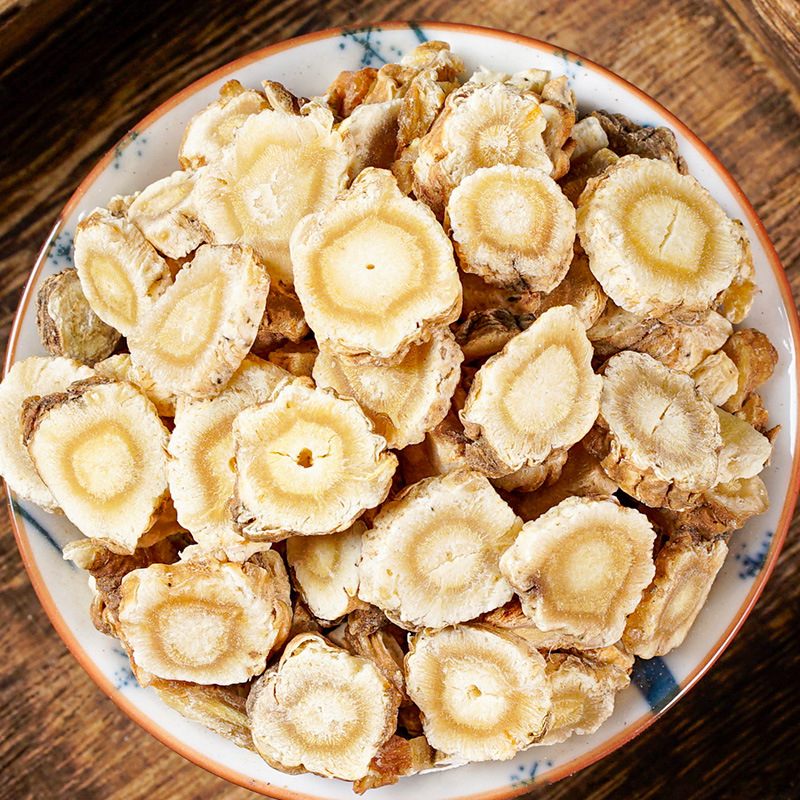
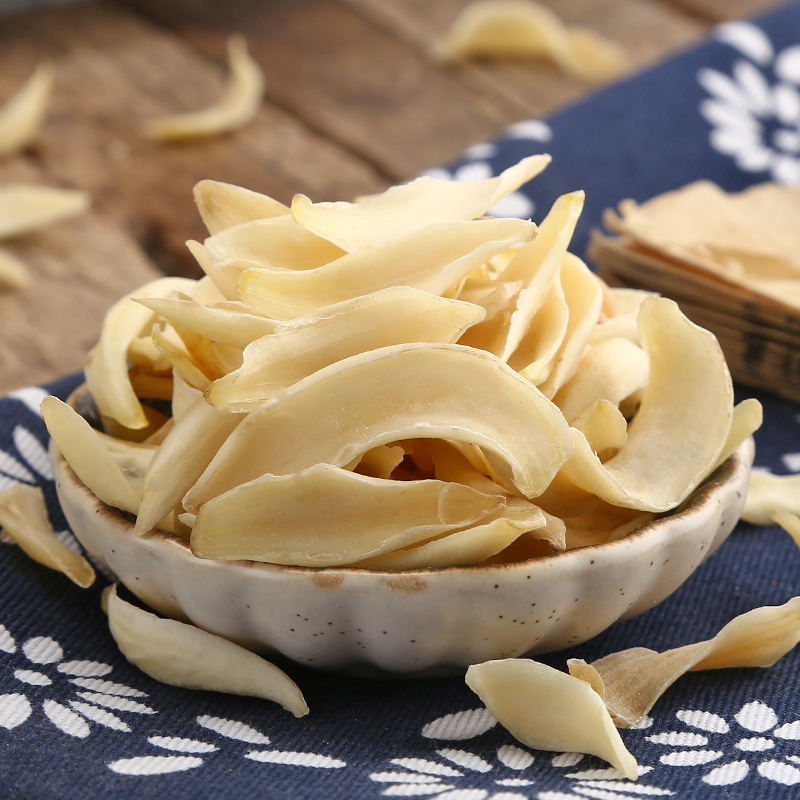
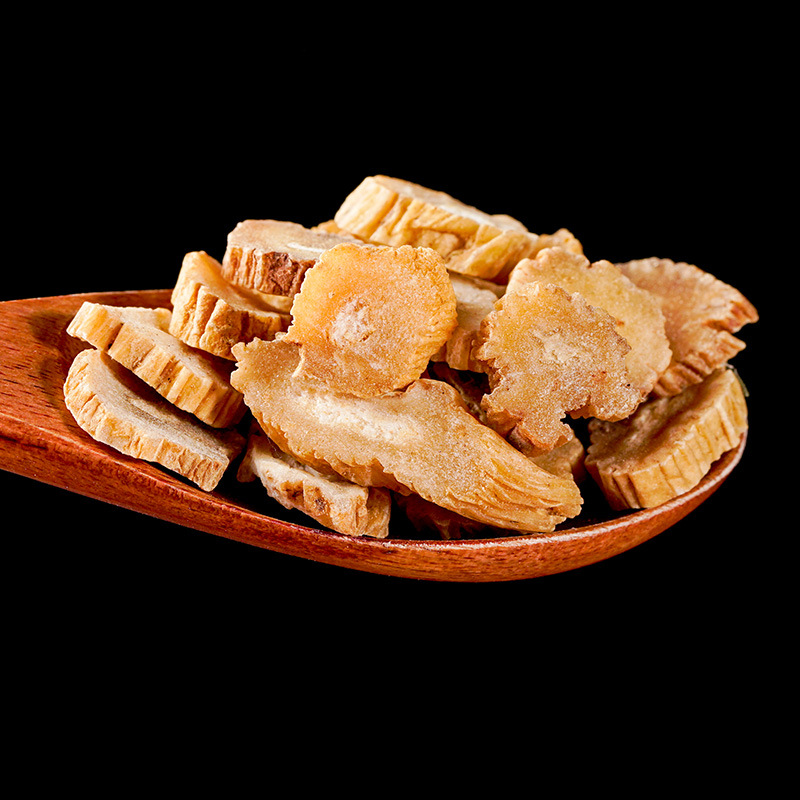
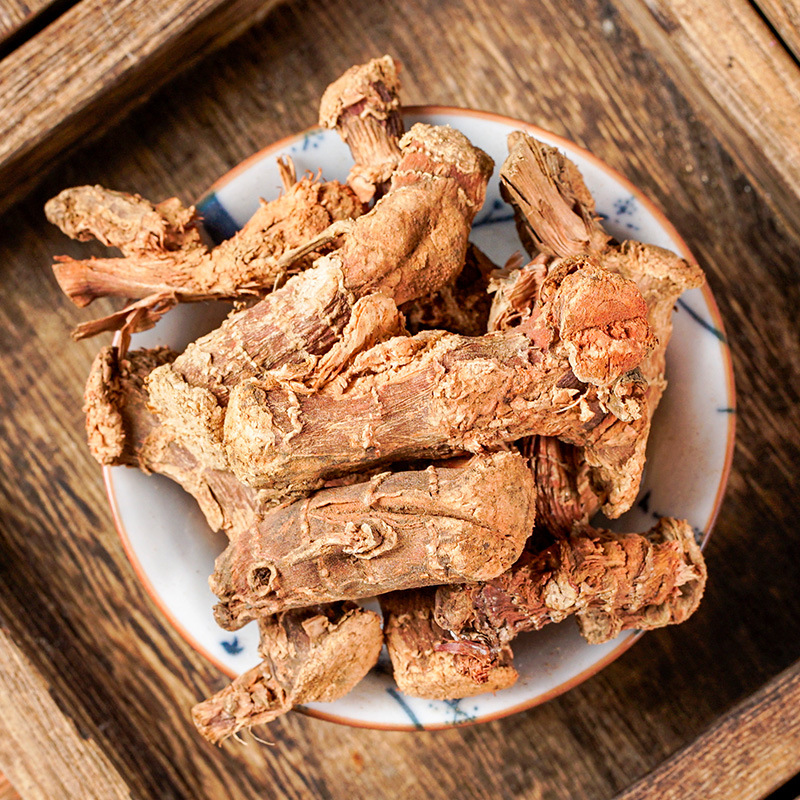
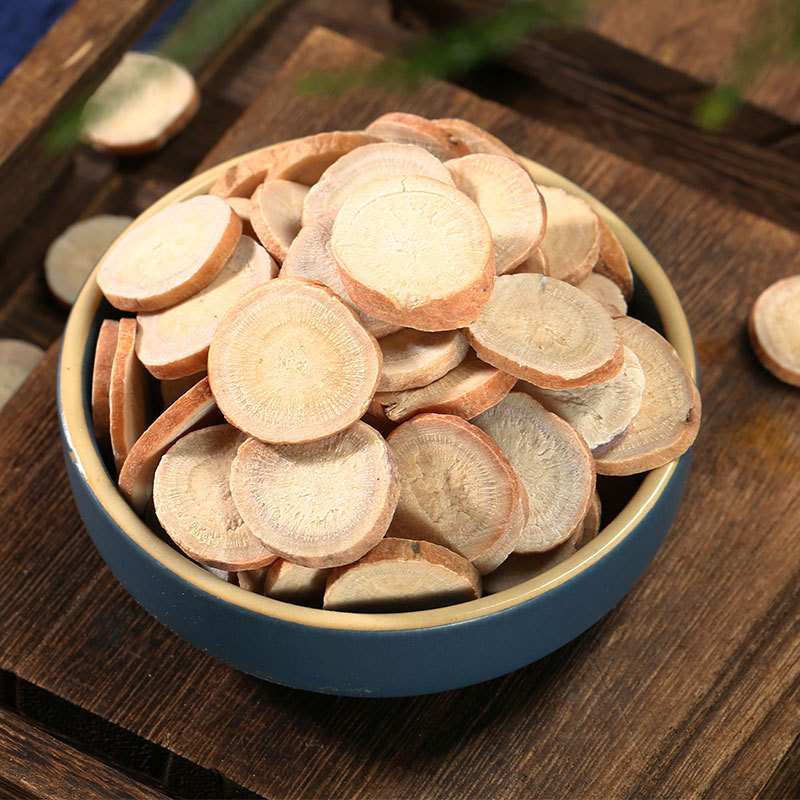
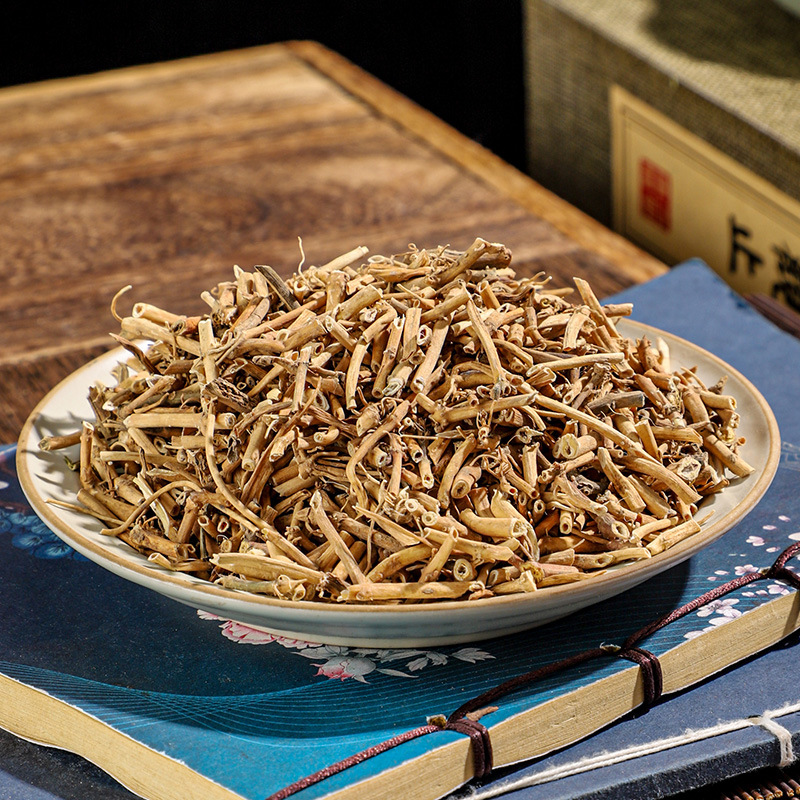
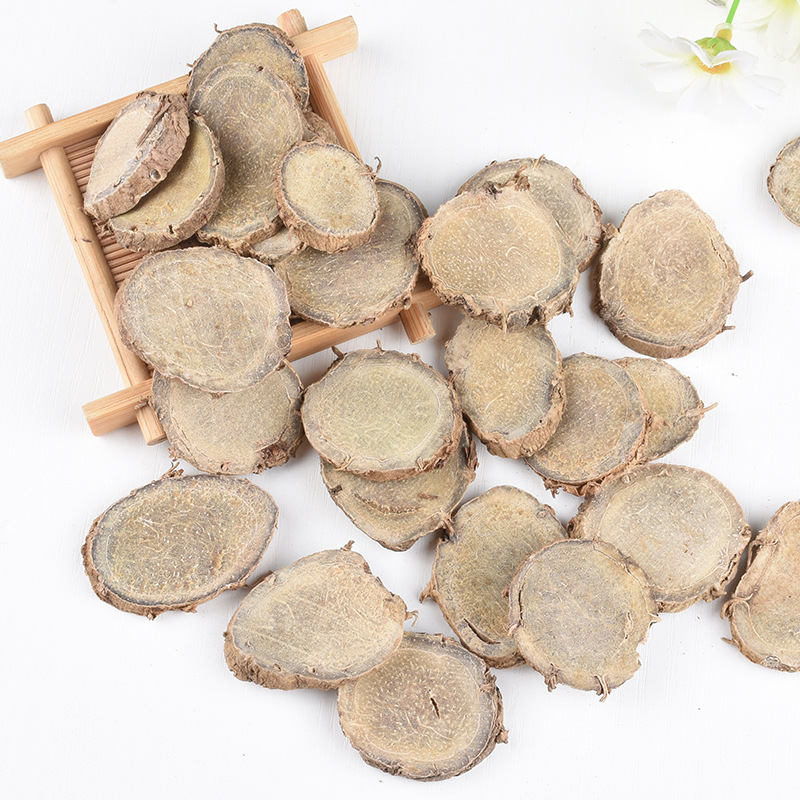
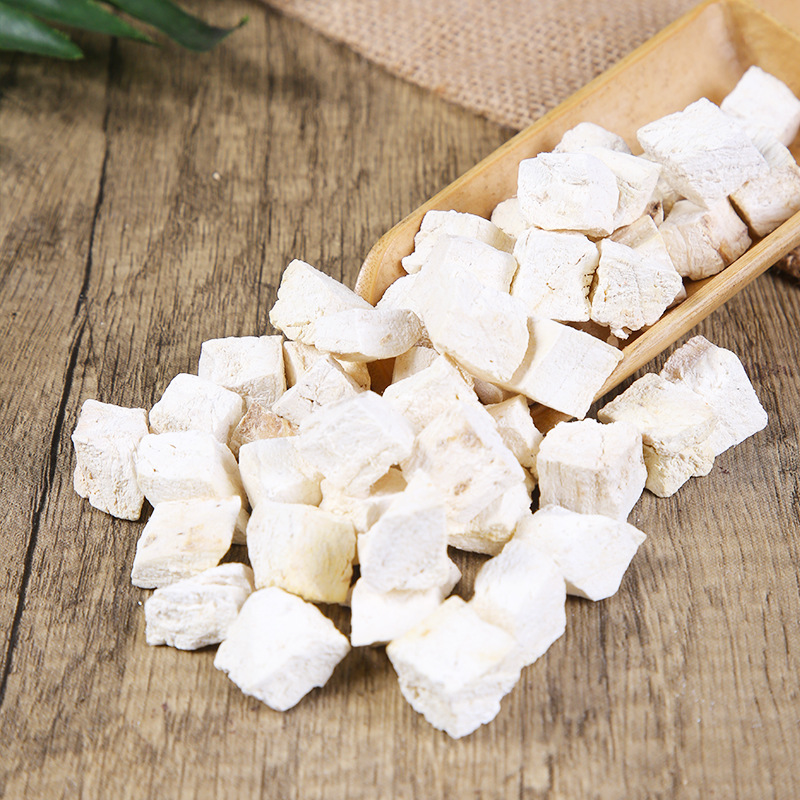
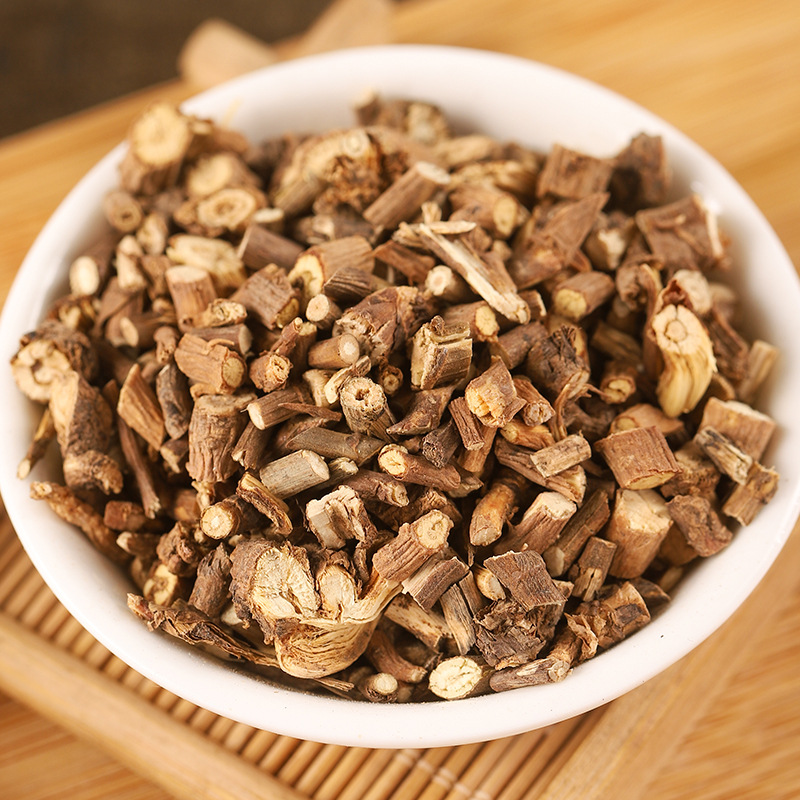
Commonly used formulas such asChaihu Shugan Powder combined with Liujunzi Decoction with modificationsBupleurum and Cyperus soothe the liver and relieve depression; Codonopsis and Atractylodes strengthen the spleen and replenish qi; supplemented by Poria and Tangerine Peel to resolve dampness and promote transportation.
At the same time, emphasize dietary regulation and emotional management.
The advantage of traditional Chinese medicine lies in its individualized treatment—tailoring the prescription for Mr. Zhang's liver stagnation and spleen deficiency, rather than a one-size-fits-all approach like acid-suppressing drugs. Pharmacological studies confirm that such Chinese herbs can improve gastric mucosal blood flow, inhibit inflammatory factors, and promote glandular repair, which is key to pathological reversal.
Real Case Witness: Pathological Reversal is Not Accidental, Traditional Chinese Medicine Conditioning Brings New Life
Mr. Zhang's transformation is truly inspiring: at the beginning of the treatment, he visited the clinic weekly, reporting reduced post-meal bloating, and his flank pain disappeared as his mood stabilized. After three months, his bowel movements became regular, and his appetite returned. Six months later, a follow-up gastroscopy showed that the atrophy had decreased from C2 to C1, and intestinal metaplasia had completely disappeared!
This is not an isolated case, similar examples are too numerous to mention:
- Mr. Li, 52 years old
- Atrophic gastritis C1 with intestinal metaplasia, symptoms include stomach pain and acid reflux, diagnosed as spleen-stomach deficiency cold. After 3 months of warming the middle and strengthening the spleen, endoscopy shows reversal of intestinal metaplasia, symptoms have subsided.
- Ms. Wang, 48 years old
- Hp-negative atrophic gastritis, emotional anxiety worsens abdominal distension, pattern differentiation indicates liver depression and spleen deficiency. After four months of regulation, re-examination shows a reduction in the degree of atrophy. She candidly states, "Traditional Chinese medicine has brought life back on track."
These cases reveal a core principle: Traditional Chinese Medicine, through holistic regulation, not only alleviates symptoms but also intervenes in early pathological changes.
Clinical statistics show that the atrophy reversal rate in patients who adhere to syndrome differentiation treatment reaches 30-40%.
But remember, the treatment course requires patience—Mr. Zhang persisted for six months, combining daily exercise and emotional regulation. Stomach ailments are not caused by a single day of cold, and reversal is not achieved overnight.
Atrophic gastritis is not scary; what is scary is ignoring the signals. If you experience recurrent bloating, belching, or digestion issues related to emotions, do not delay any longer!
Seek medical attention early, and traditional Chinese medicine can identify the root cause through syndrome differentiation.
As a doctor, I recommend: avoid staying up late, refrain from smoking and alcohol, and maintain a happy mood in daily life; after pathological diagnosis, combine Western medical examinations with traditional Chinese medicine conditioning for a dual approach.