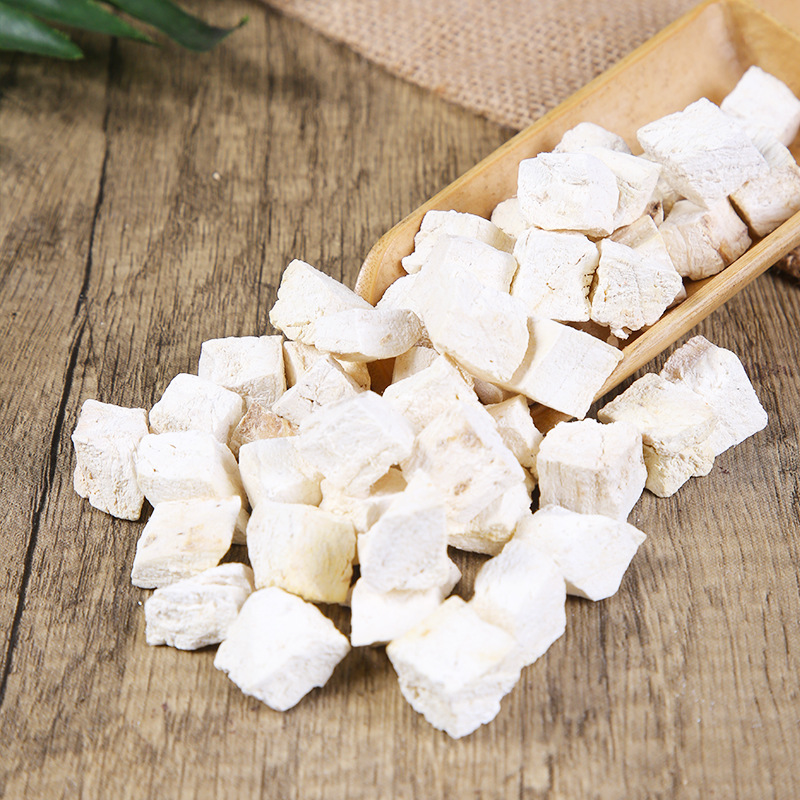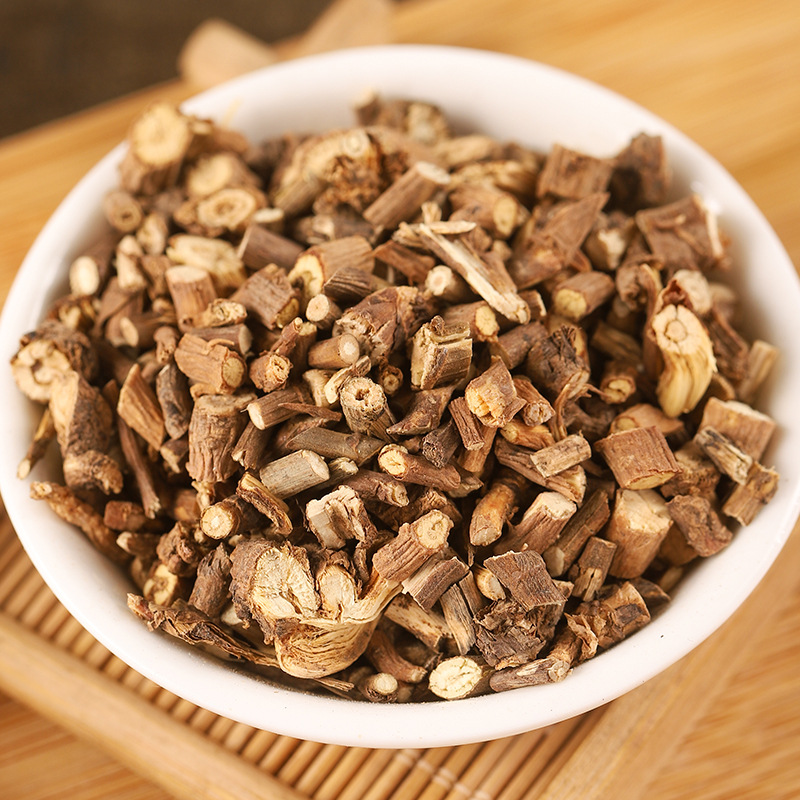
Spleen deficiency, one type is called spleen qi deficiency, spleen and stomach qi deficiency, which refers to a series of deficiency syndromes caused by insufficient spleen qi and impaired transportation and transformation; another type is called spleen yang deficiency, spleen and stomach yang deficiency, which refers to a series of deficiency syndromes caused by the decline of spleen yang, loss of warmth, and internal generation of yin cold.
Spleen Qi Deficiency
The clinical manifestations of spleen qi deficiency mainly include: gastric distension and pain, abdominal distension and pain, poor appetite, reduced food intake, increased distension after eating, belching, hiccups, acid reflux, indigestion, spitting saliva after meals, white and fine phlegm, weight loss, loose stools, or stools that are initially dry and then loose, or alternating diarrhea and constipation, or difficulty in defecation. General symptoms often include easy fatigue and weakness, shortness of breath and reluctance to speak, low voice, limb fatigue, weight loss, sallow or pale complexion, dizziness, or obesity, limb edema, irregular menstruation in women, heavy menstrual flow, prolonged menstrual period, enlarged tongue with tooth marks on the edges, pale tongue with white coating, deep, slow, weak, or feeble pulse.
Simple spleen qi deficiency may lead to diseases including but not limited to acute and chronic gastritis, gastroesophageal reflux disease, gastric and duodenal ulcers, gastroptosis, dyspepsia, chronic diarrhea, irritable bowel syndrome, chronic colitis, chronic fatigue syndrome, anemia, dizziness, insufficient blood supply to the heart and brain, obesity, edema, and irregular menstruation.
Therapeutic principle: tonifying qi and strengthening the spleen.
Prescription: Modified Sijunzi Decoction.
Prescription: Ginseng, Atractylodes, Poria, Honey-fried Licorice, etc.
Spleen Yang Deficiency
The clinical manifestations of spleen yang deficiency mainly include: gastric distension and pain, abdominal distension and pain, dull and continuous pain, preference for warmth and pressure, preference for hot food, relief of symptoms after drinking hot water or applying heat, worsening of symptoms after consuming cold food or drinks, decreased appetite, cold body and timidity, aversion to cold and fear of cold, cold and un-warm limbs, dull complexion, fatigue and weakness, expectoration of clear and thin phlegm, bland taste in the mouth without thirst, loose stools or stools containing undigested food, diarrhea upon waking in the morning, or diarrhea before dawn, worsening upon exposure to cold, edema of the limbs, excessive clear and thin white vaginal discharge in women, prolonged menstrual periods, dysmenorrhea, pale complexion, swollen tongue with tooth marks, pale tongue with white and slippery or white and greasy coating, deep, slow, and weak pulse.
Simple spleen yang deficiency may lead to diseases including but not limited to acute and chronic gastroenteritis gastric and duodenal ulcers gastroptosis indigestion gastric and duodenal ulcers chronic diarrhea irritable bowel syndrome chronic colitis chronic appendicitis diaphragmatic spasm gastrointestinal neurosis gastrointestinal spasm ulcerative colitis deficiencycold dysentery cold constipation fatigue syndrome neurasthenia nervous vomiting regurgitation edema irregular menstruation leukorrhea dysmenorrhea etc
Therapeutic principle: Warm the middle and dissipate cold.
Prescription: Modified Lizhong Decoction.
Prescription: Ginseng, Atractylodes Macrocephala Rhizome, Dried Ginger, Prepared Licorice Root, etc.
deficiency of both the heart and spleen
Deficiency of both heart and spleen qi and blood, also known as heart-spleen deficiency syndrome, arises because the spleen and stomach are the foundation of postnatal life, serving as the source of qi and blood production. The spleen governs transportation and transformation, and spleen qi deficiency leads to a decline in its transformative functions, preventing the complete conversion of food and drink into essential nutrients and body fluids to nourish the entire body. This results in the heart losing its nourishment, affecting its function of storing the spirit, leading to a series of symptoms associated with heart and spleen weakness. This condition is a combined syndrome of spleen qi deficiency and heart blood deficiency.
The clinical manifestations of deficiency of both heart and spleen qi and blood mainly include: palpitations and anxiety, dizziness and vertigo, insomnia and dreaminess, forgetfulness and tinnitus, difficulty concentrating, feverish sensation and night sweats, fatigue and physical exhaustion, poor appetite, abdominal distension and loss of appetite, dry or loose stools, emaciation or puffiness, scanty and pale menstrual flow, sallow or pale complexion, pale tongue with thin white coating, deep, thin, and weak pulse.
Diseases that may easily occur due to deficiency of both heart and spleen qi and blood include but are not limited to heart diseases such as arrhythmia atrial fibrillation ventricular fibrillation atrial premature beats ventricular premature beats insufficient blood supply to the heart and brain cardiogastric syndrome gastrocadiac syndrome dizziness neurasthenia neurogenic tinnitus deafness insomnia forgetfulness hyperhidrosis fatigue syndrome indigestion habitual constipation diarrhea malnutrition obesity menstrual disorders etc
Therapeutic Principle: Strengthen the Spleen and Nourish the Heart, Boost Qi and Nourish Blood.
Prescription: Modified Ginseng Decoction for Invigorating the Spleen.
Prescription: Ginseng, Astragalus, Atractylodes, Chinese Angelica, Poria with Hostwood, Polygala, Spiny Jujube Seed, Costus Root, Longan Aril, Prepared Licorice, Ginger, Jujube, etc.
Lung and Spleen Qi Deficiency
Lung and Spleen Qi Deficiency, also known as Lung and Spleen Qi Deficiency with Phlegm-Dampness Syndrome, is a syndrome group characterized by weakness of the lung and spleen. It arises from the impaired transportation and transformation functions of spleen qi (spleen failing to transport) and the lung's inability to diffuse and descend. This leads to the inability of the body to fully transform ingested food and fluids into qi and blood, resulting in the formation of phlegm-dampness. It is a combined syndrome of spleen qi deficiency and lung qi deficiency. The spleen is the source of phlegm production, and the lung is the container for storing phlegm. Deficiency of spleen and lung qi is prone to causing phlegm-fluid retention issues in the digestive and respiratory systems.
The clinical manifestations of lung-spleen qi deficiency mainly include: poor appetite, abdominal distension and loose stools, chest and epigastric fullness, nausea and vomiting, hiccups, coughing with phlegm, persistent cough, clear and copious phlegm, shortness of breath and panting, fatigue and lack of energy, low voice and reluctance to speak, runny nose and nasal congestion, susceptibility to colds, facial puffiness, swelling of the limbs, pale and dull complexion, pale tongue with thin white coating, deep and weak or feeble pulse.
Diseases that are prone to occur due to lung-spleen qi deficiency may include but are not limited to: acute and chronic gastritis, gastroesophageal reflux disease, gastric and duodenal ulcers, gastroptosis, indigestion, chronic diarrhea, irritable bowel syndrome, chronic colitis, chronic fatigue syndrome, post-cold cough, chronic pharyngitis, chronic rhinitis, chronic bronchitis, asthma, edema, lower limb edema, anemia, etc.
Therapeutic Principle: Boost qi and fortify the spleen, dry dampness and transform phlegm.
Prescription: Modified Six Gentlemen Decoction.
Prescription: Ginseng, Atractylodes macrocephala, Pinellia ternata, Poria cocos, Tangerine peel, Honey-fried licorice, etc.
Spleen Deficiency and Liver Stagnation
Spleen deficiency and liver stagnation also known as disharmony between liver and spleen includes liver stagnation invading spleen and liver stagnation insulting spleen caused by spleen qi deficiency belonging to a combined syndrome of spleen qi deficiency and liver qi stagnation
The main clinical manifestations include: distension and fullness in the chest and hypochondrium, wandering and attacking pain, frequent sighing, depressed mood, or irritability and easy anger, poor appetite and abdominal distension, loss of appetite, physical weakness and fatigue, soreness and weakness in the limbs, dizziness and palpitations, sallow complexion, loose and unsatisfactory stools, borborygmus and flatulence, or abdominal pain and diarrhea with pain relief after diarrhea, or alternating loose and dry stools, white tongue coating, wiry pulse on the left side, and deep, weak, and slow pulse on the right side.
Diseases that may easily occur due to spleen deficiency and liver stagnation include but are not limited to chronic hepatitis, cirrhosis, gallstones, chronic gastritis, gastric and duodenal ulcers, gastrointestinal neurosis, indigestion, irregular menstruation, menopausal syndrome, acute and chronic enteritis, irritable bowel syndrome, etc.
Treatment principle: For cases predominantly due to liver depression leading to emotional discomfort and poor appetite, one may administer methods to soothe the liver and relieve depression, nourish blood, and strengthen the spleen.
Prescription: Modified Xiaoyao Powder.
Prescription: Bupleurum, White Peony Root, Chinese Angelica, Poria, Atractylodes Macrocephala, Prepared Licorice Root, Fresh Ginger, Peppermint, etc.
Treatment principle: For cases of borborygmus, abdominal pain, and diarrhea due to spleen deficiency, tonify the liver and soothe the spleen, dispel dampness, and stop diarrhea.
Prescription: Tong Xie Yao Fang with modifications.
Prescription: Atractylodes macrocephala, White Peony Root, Saposhnikovia divaricata, Tangerine Peel, etc.
Spleen Deficiency with Qi Collapse
Spleen deficiency with qi sinking, also known as middle qi sinking, is a series of syndromes caused by dietary fatigue, damage to the spleen and stomach, resulting in spleen qi deficiency, inability to lift the body, and sinking of clear yang. The physiological characteristic of spleen qi's ascending function is mainly manifested in two aspects: ascending the clear (the clear includes water and grain essence and clear yang) and lifting the internal organs (referring to maintaining the relative stability of the internal organs' positions and preventing their prolapse).
The clinical manifestations of spleen deficiency with qi sinking mainly include: reduced appetite, mental fatigue and physical exhaustion, shortness of breath and lack of strength, reluctance to speak, sagging and distension in the epigastric and abdominal regions (gastric ptosis), which worsens after eating, a heavy sensation in the anus, frequent urge to defecate, loose stools, chronic diarrhea or dysentery, rectal prolapse, uterine prolapse, metrorrhagia and metrostaxis in women, turbid urine resembling rice water, or dull complexion, or fever due to qi deficiency, spontaneous sweating with fever, thirst with a preference for warm drinks, pale tongue with white coating, and deep weak or feeble and weak pulse.
Diseases that may easily occur due to spleen deficiency and qi sinking include but are not limited to: gastroptosis, blepharoptosis, small intestine hernia, rectal prolapse, uterine prolapse, colitis, heavy menstrual bleeding or metrorrhagia, threatened abortion, dizziness or vertigo, fever of unknown origin, hyperhidrosis, chronic fatigue syndrome, myasthenia gravis, Guillain-Barre syndrome, chronic diarrhea, persistent dysentery, frequent urination, chyluria, etc.
Therapeutic principle: tonifying the middle and replenishing qi, elevating yang and raising the sunken.
Prescription: Modified Buzhong Yiqi Decoction
Prescription: Astragalus, Ginseng, Atractylodes, Tangerine Peel, Bupleurum, Cimicifuga, Chinese Angelica, Prepared Licorice Root, etc.
Spleen failing to control blood
Failure of the Spleen to Control Blood is a syndrome characterized by deficiency of spleen qi, which fails to control blood, leading to bleeding outside the vessels.
The clinical manifestations of spleen failing to control blood mainly include fatigue and lassitude, sallow or pale complexion, epistaxis, gingival bleeding, gastrointestinal bleeding, hematochezia, subcutaneous purpura, metrorrhagia and metrostaxis in women, early menstruation, prolonged menstrual flow, anemia, pale tongue, and thready pulse.
Diseases that may easily occur due to spleen failing to control blood include but are not limited to gastric and duodenal ulcer bleeding functional uterine bleeding thrombocytopenic purpura aplastic anemia gingival bleeding epistaxis hematuria hematochezia etc
Therapeutic Principle: Strengthen the Spleen, Boost Qi, and Control Bleeding.
Prescription: Modified Ginseng Decoction for Invigorating the Spleen.
Prescription: Ginseng, Astragalus, Atractylodes, Chinese Angelica, Poria with Hostwood, Polygala, Spine Date Seed, Costus Root, Longan Aril, Prepared Licorice Root, Fresh Ginger, Jujube, etc.
Deficiency of both the spleen and kidney
Spleen and kidney yang deficiency also known as spleen and kidney dual deficiency is a series of deficiency cold syndromes caused by deficiency of spleen and kidney yang qi and internal retention of water dampness
The clinical manifestations of spleen-kidney yang deficiency mainly include: cold body and limbs, pale complexion and fatigue, cold pain in the lower back, knees, and lower abdomen, cold limbs, low spirits, impotence and premature ejaculation, chronic diarrhea and dysentery, early morning diarrhea, undigested food in stool, cold and clear stool, facial and body edema, difficulty urinating, severe abdominal distension like a drum, palpitations and chest tightness, difficulty breathing and lying down, unsteady standing, heavy and painful limbs, swollen tongue with tooth marks, pale tongue with white and slippery coating, deep and thin or deep and slow weak pulse.
Diseases that may easily occur due to spleen and kidney yang deficiency include but are not limited to chronic glomerulonephritis nephrotic syndrome renal edema cardiac edema nutritional edema hypothyroidism chronic enteritis and morning diarrhea
Biased towards kidney yang deficiency, edema caused by water qi retention
Therapeutic principle: Warming yang to promote diuresis.
Prescription: Zhenwu Decoction with modifications.
Prescription: Prepared Aconite, Poria, Atractylodes, White Peony, Fresh Ginger, etc.
Biased towards spleen yang deficiency, edema caused by internal retention of water qi
Therapeutic principle: Warming yang and strengthening the spleen, promoting qi circulation and inducing diuresis.
Prescription: Modified Shi Pi Yin.
Prescription: Poria, Atractylodes macrocephala, Chaenomeles speciosa, Aucklandia lappa, Areca catechu, Amomum tsaoko, Prepared Aconite, Magnolia officinalis, Honey-fried Licorice, Ginger, etc.
Deficiency of spleen yang, leading to epigastric and abdominal pain and diarrhea
Therapeutic principle: warm yang to dispel cold, boost qi and fortify the spleen.
Prescription: Modified Aconite Center-Regulating Decoction.
Prescription: Prepared Aconite, Ginseng, White Atractylodes, Dried Ginger, Honey-fried Licorice, etc.
Spleen and kidney yang deficiency, early morning diarrhea
Therapeutic Principle: Warm the kidney and spleen, consolidate the intestines to stop diarrhea.
Prescription: Sishen Wan with modifications.
Prescription: Nutmeg, Psoralea, Evodia, Schisandra, etc.