Liver depression, also known as liver qi stagnation, refers to a syndrome caused by the dysfunction of the liver's dispersing and discharging function due to long-term irritability, anger, especially suppressed anger, and low mood in patients, leading to stagnation of the body's qi movement.

The main clinical manifestations include: patients experiencing low mood, emotional depression, or irritability and a tendency to get angry easily, especially prone to holding in anger; fullness and distension in the chest, flanks, epigastric region, or lower abdomen, with wandering or attacking pain; frequent sighing; or a sensation of a foreign body in the throat; or the presence of thyroid nodules, thyroid tumors, or breast nodules; or cold hands and feet with a feeling of heat in the chest; or palpitations; or coughing; or difficulty urinating; or abdominal pain; or diarrhea; in women, breast distension or stabbing pain during menstruation, dysmenorrhea, irregular menstruation, or amenorrhea.
After liver qi stagnation, the upward rebellion of liver qi can also manifest as dizziness, headache, red eyes, tinnitus, dry mouth with a bitter taste, a thin white tongue coating, and a wiry pulse. The severity of symptoms is closely related to the patient's emotional changes; symptoms may lessen or disappear when the mood is relaxed, and appear or worsen when emotions are unstable.
Simple Liver Qi Stagnation
Simple liver stagnation may lead to diseases including but not limited to chronic hepatitis globus hystericus thyroiditis Hashimoto's thyroiditis thyroid nodules thyroid adenoma thyroid cancer cholecystitis gallstones gallbladder polyps intercostal neuralgia dizziness headache migraine eye diseases tinnitus anxiety disorder depression bipolar disorder somatic symptom disorder menstrual disorders etc
Therapeutic Principle: Soothe the Liver and Relieve Depression.
Prescription: Modified Sini Powder.
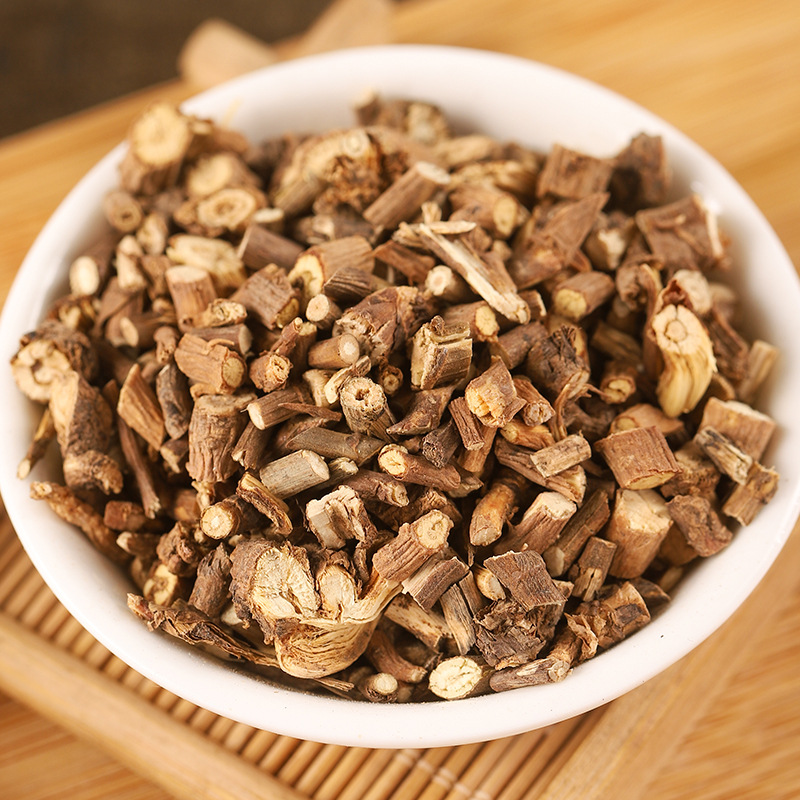
Prescription: Bupleurum, White Peony Root, Bitter Orange, Prepared Licorice Root, etc.
Liver depression and spleen deficiency
disharmony between the liver and spleen, also known as liver depression and spleen deficiency, includes liver depression invading the spleen and liver depression overwhelming the spleen. Its clinical manifestations mainly include: distension and fullness in the chest and hypochondrium, wandering and attacking pain, frequent sighing, depressed mood, or irritability and easy anger, poor appetite and abdominal distension, loss of appetite, physical weakness and fatigue, soreness and weakness in the limbs, dizziness and palpitations, sallow complexion, loose stools with incomplete evacuation, borborygmus and flatulence, or abdominal pain and diarrhea, pain relief after diarrhea, or alternating loose and dry stools, white tongue coating, wiry pulse on the left side, and deep, weak, and slow pulse on the right side.
Diseases that may easily occur due to disharmony between the liver and spleen include, but are not limited to: chronic hepatitis, cirrhosis, gallstones, chronic gastritis, gastric and duodenal ulcers, gastrointestinal neurosis, indigestion, irregular menstruation, menopausal syndrome, acute and chronic enteritis, irritable bowel syndrome, etc.
Treatment principle: For those with predominant emotional distress and poor appetite, it is advisable to soothe the liver to relieve depression, nourish blood, and strengthen the spleen.
Prescription: Modified Xiaoyao Powder.
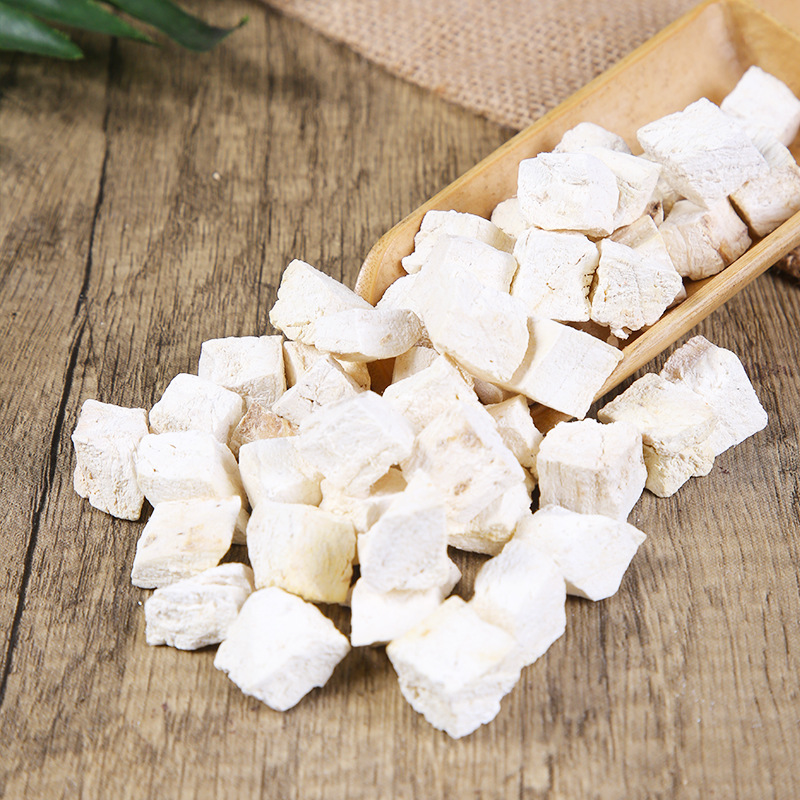
Prescription: Bupleurum, White Peony Root, Chinese Angelica, Poria, Atractylodes Macrocephala, Prepared Licorice Root, Fresh Ginger, Peppermint, etc.
Treatment Principle: For cases with predominant symptoms of borborygmus, abdominal pain, and diarrhea, it is advisable to tonify the liver, soften the spleen, eliminate dampness, and stop diarrhea.
Prescription: Tong Xie Yao Fang with modifications.
Prescription: Atractylodes macrocephala, White peony root, Saposhnikovia divaricata, Tangerine peel, etc.
Liver depression transforming into fire invading the lung
Liver depression transforming into fire invading the lung, also known as wood fire punishing metal, refers to a syndrome where liver depression leads to the upward rebellion of liver channel qi-fire, causing the lung to lose its clear and descending function. Its clinical manifestations mainly include: burning pain in the chest and hypochondrium, irritability and easy anger, dizziness and head distension, red face and eyes, vexing heat and bitter taste in the mouth, frequent coughing, even coughing up blood, yellow and sticky phlegm, red tongue with thin yellow coating, and wiry rapid pulse.
Diseases that are prone to occur when liver stagnation transforms into fire and invades the lungs may include but are not limited to pneumonia bronchitis bronchopneumonia bronchiectasis etc
Therapeutic principle: clear and drain the liver and gallbladder, clear and drain lung heat.
Prescription: Modified Longdan Xiegan Decoction and Xiebai Powder.
Prescription: Gentian, Gardenia, Scutellaria, Bupleurum, Rehmannia, Plantago Seed, Alisma, Chinese Angelica, Mulberry Bark, Wolfberry Bark, Licorice, etc.
Liver Qi Invading the Stomach
Liver-Stomach disharmony, also known as liver qi invading the stomach, including liver fire invading the stomach, refers to a category of disorders characterized by stagnation of liver qi, which transversely invades the stomach, leading to the stomach's failure to descend and harmonize, and manifesting primarily as symptoms of distension, fullness, and pain in the epigastric region and hypochondrium.
The main clinical manifestations include: distension and pain in the epigastric region and hypochondrium, wandering and attacking pain, fullness and stuffiness, hiccups, belching, nausea and vomiting, gastric discomfort and acid regurgitation, borborygmus and diarrhea, depressed mood, or irritability and susceptibility to anger, frequent sighing, reduced appetite, dry mouth and bitter taste, pale or red tongue, thin white or thin yellow or yellow greasy coating, wiry or wiry and rapid pulse.
Diseases that may easily occur due to disharmony between the liver and stomach include but are not limited to gastritis chronic gastritis esophagitis reflux gastritis reflux esophagitis carditis gastric ulcer nervous hiccup indigestion depression anorexia anxiety insomnia neurosis etc
Suitable for those with a tendency towards liver qi stagnation and stomach distension and pain.
Therapeutic principle: soothe the liver to relieve depression, promote qi flow to alleviate pain.
Prescription: Modified Chaihu Shugan Powder.
Prescription: Bupleurum, White Peony Root, Chuanxiong, Tangerine Peel, Immature Bitter Orange, Cyperus Tuber, Prepared Licorice Root, etc.
For those with a tendency of liver fire invading the stomach, experiencing acid regurgitation and bitter vomiting.
Therapeutic principle: clear and purge liver fire, descend counterflow and stop vomiting.
Prescription: Modified Zuojin Pill.
Prescription: Coptis chinensis, Evodia rutaecarpa, etc.
For those with disharmony between the liver and stomach, and intermingling of cold and heat.
Treatment Principle: Regulate Cold and Heat, Dissipate Nodules and Eliminate Fullness.
Prescription: Modified Banxia Xiexin Decoction.
Prescription: Pinellia Rhizoma Praeparatum, Coptidis Rhizoma, Scutellariae Radix, Zingiberis Rhizoma, Ginseng Radix et Rhizoma, Glycyrrhizae Radix et Rhizoma Praeparata cum Melle, Jujubae Fructus, etc.
deficiency of heart and liver blood
Liver depression and blood deficiency also known as heart and liver blood deficiency refers to a syndrome of blood deficiency characterized by liver depression accompanied by deficiency of heart and liver blood manifesting as emotional and mental abnormalities as well as malnourishment of the orifices and tissues governed by the heart and liver
The main clinical manifestations include: irritability and susceptibility to anger, restlessness and unease, or emotional depression, mental confusion, sadness and crying, inability to control oneself, inner turmoil, abnormal speech and behavior, frequent yawning, or palpitations and forgetfulness, insomnia and dreaminess, dizziness and blurred vision, dry eyes, blurred vision, photophobia and tearing, or numbness in the limbs, tremors and spasms, or delayed menstruation in women, scanty flow, pale tongue, or even amenorrhea, pale or sallow complexion of the hands and face, lack of luster in the nails, dry throat and mouth, pale or red tongue with thin coating, and fine, wiry, or fine, weak, or fine, rapid pulse.
Diseases that may easily occur due to liver stagnation and blood deficiency include but are not limited to neurasthenia cardiac neurosis menopausal syndrome insomnia palpitations arrhythmia dizziness Parkinson's disease dry eye syndrome epiphora presbyopia irregular menstruation anemia hysteria etc
For those with a tendency towards liver depression and blood deficiency, experiencing restlessness and insomnia
Therapeutic Principle: Nourish Blood to Calm the Mind, Clear Heat to Relieve Restlessness.
Prescription: Modified Suanzaoren Decoction.
Prescription: Stir-fried Wild Jujube Seed, Anemarrhena Rhizome, Chuanxiong Rhizome, Poria, Honey-fried Licorice Root, etc.
Partial to liver depression and blood deficiency, irregular menstruation
Therapeutic Principle: Soothe the liver to relieve depression, nourish blood and regulate menstruation.
Prescription: Xiaoyao Powder combined with Siwu Decoction.
Prescription: Bupleurum, Chinese Angelica, White Peony Root, Poria, Atractylodes, Mint, Prepared Rehmannia Root, Szechuan Lovage Rhizome, Prepared Licorice Root, Fresh Ginger, Jujube, etc.
For those with a tendency towards liver depression and blood deficiency, leading to malnourishment of the heart and mind
Therapeutic principle: Nourish the heart to calm the mind, harmonize the middle and relieve urgency.
Prescription: Modified Gancao Wheat Jujube Decoction
Prescription: wheat, jujube, prepared licorice root, etc.
Yin Deficiency and Liver Stagnation
Yin deficiency and liver stagnation occur because the liver's substance is yin while its function is yang (the physical structure of the liver belongs to yin, while its functional activities belong to yang). Insufficiency of liver yin, meaning a deficiency in the material foundation of the liver, can affect and constrain the liver's functional activities, resulting in liver qi stagnation. When the yin fluids of the liver are deficient and yin fails to restrain yang, not only may there be inadequate dispersion, yin deficiency with liver stagnation, or yin deficiency stirring wind, but there may also be yin deficiency with yang hyperactivity and internal disturbance of deficient heat.
The main clinical manifestations include: dizziness and blurred vision, dry eyes, decreased vision, facial flushing, malar redness, five-center heat, tidal fever and night sweats, insomnia and vivid dreams, hand and foot twitching, chest tightness, stomach pain, dull or distending pain in the rib area, irritability and anger, anxiety and depression, sensitivity and tension, acid reflux and bitter regurgitation, decreased appetite, dry stools, irregular menstruation, dry mouth and throat, bitter taste in the mouth, red tongue with little moisture, and wiry, thin, and rapid pulse.
Diseases that may easily occur due to Yin deficiency and liver stagnation include but are not limited to: hypertension, dry eye syndrome, presbyopia, epiphora, menopausal syndrome, night sweats, insomnia, Parkinson's disease, essential tremor, neurosis, anxiety disorder, depression, obsessive-compulsive disorder, phobia, anorexia, chronic hepatitis, chronic gastritis, gastric and duodenal bulb ulcers, intercostal neuralgia, constipation, early menstruation with scanty flow, chronic pharyngitis, etc.
partial to liver-kidney yin deficiency, liver qi stagnation
Therapeutic principle: Nourish yin, soothe the liver, and harmonize the stomach.
Prescription: Modified Yiguan Decoction.
Prescription: Shengdi, Shashen, Gouqizi, Maidong, Danggui, Chuanlianzi, etc.
Deficiency of heart and liver yin, liver stagnation disturbing the heart
Therapeutic Principle: Nourish Yin and Clear the Heart, Soothe the Liver and Relieve Depression.
Prescription: Modified Lily Decoction and Sini Powder.
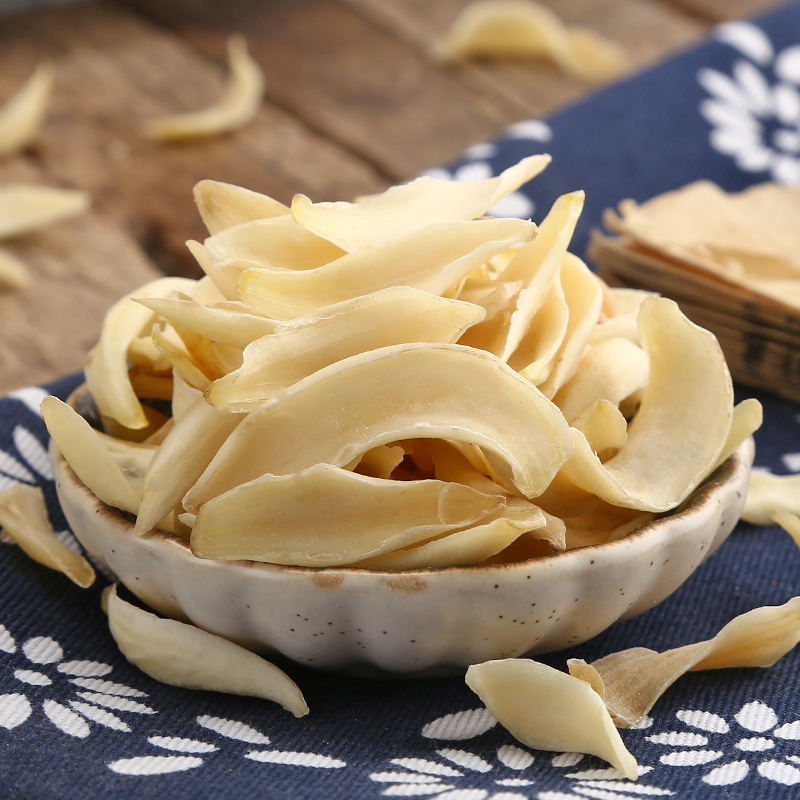
Prescription: Lily Bulb, Rehmannia Root, Bupleurum Root, White Peony Root, Bitter Orange, Licorice Root, etc.
Gallbladder Stagnation and Phlegm Disturbance
Liver depression and phlegm disturbance, also known as gallbladder depression and phlegm disturbance, refers to a series of syndromes characterized by liver qi stagnation, impaired dispersion of the liver (gallbladder), and internal disturbance of phlegm-heat. The main clinical manifestations include: timidity and susceptibility to fright, palpitations and restlessness, insomnia and dreaminess, irritability, restlessness and inability to sit or lie still, excessive phlegm, distension and oppression in the chest and hypochondrium, frequent sighing, dizziness and blurred vision, hiccups, bitter taste in the mouth, nausea, bland taste in the mouth, loss of appetite, red tongue with yellow greasy coating, and wiry rapid or slippery rapid pulse.
Diseases that are prone to occur due to liver (gallbladder) stagnation and phlegm disturbance may include but are not limited to: neurosis, gastritis, chronic bronchitis, vomiting, dizziness, palpitations, insomnia, epilepsy, anxiety disorder, anorexia, tic disorder, obsessive-compulsive disorder, neurotic hiccups, schizophrenia, etc.
Therapeutic Principle: Regulating Qi and Resolving Phlegm, Clearing the Gallbladder and Harmonizing the Stomach.
Prescription: Modified Wendan Decoction.
Prescription: Pinellia ternata (processed), Poria cocos, Citrus reticulata (aged peel), Citrus aurantium (immature fruit), Bambusa tuldoides (bamboo shavings), Glycyrrhiza uralensis (honey-fried), Zingiber officinale (fresh ginger), Ziziphus jujuba (red dates), etc.
Liver Stagnation and Blood Stasis
Liver depression and blood stasis refer to a series of syndromes characterized by liver qi stagnation and qi stagnation leading to blood stasis. The main clinical manifestations include: long-term headache, chest pain that feels like needle pricks with fixed locations, or blood stasis under the diaphragm forming masses, or abdominal pain with fixed locations, or hypochondriac pain, or body pain, shoulder and arm pain, low back and leg pain, or generalized pain, or long-term hiccups that do not resolve, or internal heat and restlessness, or palpitations and insomnia, irritability and easy anger, evening tidal fever, dark lips and cyanotic hands, dark circles under the eyes, purple-dark tongue or with ecchymosis, blue-green veins under the tongue, and wiry-tight or choppy pulse.
Diseases that may easily occur due to liver stagnation and blood stasis include but are not limited to headache migraine angina pectoris of coronary heart disease myocardial infarction cerebrovascular disease rheumatic heart disease costal chondritis intercostal neuritis chest and hypochondriac pain caused by trauma sequelae of concussion depression fatty liver cirrhosis menstrual disorders dysmenorrhea uterine fibroids ovarian cysts endometriosis fallopian tube blockage periarthritis of shoulder low back pain sequelae of herpes zoster etc
Therapeutic principle: Activating blood to resolve stasis, moving qi to relieve pain.
Prescription: Based on the location of the disease and symptoms, choose Xuefu Zhuyu Decoction with modifications, or Tongqiao Huoxue Decoction with modifications, or Gexia Zhuyu Decoction with modifications, or Shaofu Zhuyu Decoction with modifications, or Fuyuan Huoxue Decoction with modifications.
Prescription: Shengdi, Danggui, Chishao, Chuanxiong, Chaihu, Jiegeng, Zhiqiao, Chuanniuxi, Taoren, Honghua, Gancao, etc.
Liver and Kidney Yin Deficiency
Liver depression and kidney deficiency, also known as liver-kidney yin deficiency, is a syndrome caused by emotional internal injury and yang hyperactivity consuming yin, leading to liver qi stagnation and deficiency of liver yin and kidney yin. Its clinical manifestations mainly include: dizziness and blurred vision, forgetfulness and tinnitus, dry mouth and throat, insomnia and dreaminess, pain in the hypochondrium, soreness and weakness in the lower back and knees, heat in the palms, soles, and chest, night sweats and flushed cheeks, seminal emission in men, early menstruation with scanty flow or amenorrhea in women, red tongue with little coating, and wiry-thin or thin-rapid pulse.
Diseases that may easily occur due to liver stagnation and kidney deficiency include but are not limited to dizziness amnesia tinnitus deafness burning mouth syndrome dry eye syndrome insomnia intercostal neuralgia lumbar disc herniation menopausal syndrome spermatorrhea menstrual disorders etc
Treatment principle: soothe the liver to relieve depression, nourish yin and tonify the kidney.
Prescription: Modified Xiaoyao Powder and Liuwei Dihuang Decoction.
Prescription: Bupleurum, Chinese Angelica, White Peony Root, Poria, Atractylodes Macrocephala, Prepared Licorice Root, Fresh Ginger, Peppermint, Prepared Rehmannia Root, Chinese Yam, Asiatic Cornelian Cherry Fruit, Oriental Waterplantain Rhizome, Tree Peony Bark, etc.