Many patients diagnosed with atrophic gastritis often struggle with what to eat and what not to eat, in addition to worrying about how to treat their condition.Dietary regulation is indeed the key to controlling the condition.
Today, let's highlight the key points: these three types of vegetables should be avoided as much as possible by patients with gastritis, as consuming them may further damage the gastric mucosa.Becoming a "burden source" for the stomach, the more you eat, the more uncomfortable you feel.
1. Irritating Pungent Vegetables
Vegetables like small chili peppers, raw onions, green garlic, and bird's eye chilies have a very spicy taste. Although they can stimulate appetite, they are not suitable for patients with atrophic gastritis. These vegetables contain many components such as capsaicin and volatile essential oils, which can directly irritate the already fragile tissues on the surface of the gastric mucosa and increase gastric acid secretion. Patients with atrophic gastritis already have issues such as mucosal atrophy and weakened secretory function. If subjected to such stimulation over a long period, it can not only trigger uncomfortable symptoms like stomach pain, heartburn, and acid reflux but also slow down mucosal repair and worsen inflammation.
2. Coarse and Hard Fiber Vegetables
For example, vegetables like celery stalks, leeks, garlic scapes, and old spinach stems have particularly high crude fiber content and a tough texture. For people with normal digestive function, crude fiber can help promote intestinal peristalsis and facilitate smooth bowel movements. However, for patients with atrophic gastritis, consuming these vegetables can place a significant burden on the stomach. The dense fiber structure of such vegetables requires the stomach to exert several times more effort to grind and digest them. This not only easily causes bloating and belching but may also repeatedly rub against the already fragile gastric mucosa, leading to mucosal damage, bleeding, and worsening inflammation. It is advisable to choose vegetables with fine and soft fibers, such as tender spinach leaves, Shanghai greens, and romaine lettuce. When cooking, try to chop them finely and cook them until soft to reduce the digestive burden on the stomach.
3. High-salt pickled vegetables
Pickled vegetables such as salted vegetables, pickled mustard tubers, pickled radishes, and fermented tofu are enjoyed by many as accompaniments to meals, but patients with atrophic gastritis must strictly avoid them. These dishes are prepared with a large amount of salt, and a high-salt diet can directly damage the protective barrier of the gastric mucosa, reducing its ability to resist external stimuli and accelerating the process of atrophy. More importantly, during fermentation, pickled foods are prone to producing harmful substances like nitrites. Long-term consumption not only affects the repair of the gastric mucosa but may also increase the risk of gastric lesions, which is particularly detrimental to disease management.
What should be done
After being diagnosed with atrophic gastritis, dietary management should follow the principles of "gentle, easily digestible, and nutritionally balanced." It is recommended to consume more gentle vegetables such as pumpkin, carrots, winter melon, and tender loofah. Cooking methods should include steaming, boiling, stewing, and cold mixing, while avoiding frying and stir-frying. Of course, if significant symptoms such as stomach pain, bloating, and acid reflux have already appeared, relying solely on dietary adjustments is insufficient. It is essential to seek timely professional medical consultation for syndrome differentiation and treatment to fundamentally reverse atrophy and repair the gastric mucosa.
Below is a recent clinical case shared for your reference.
Ms. Zhang, 45 years old, atrophic gastritis with intestinal metaplasia, initial consultation time was last October. The patient reported that three years ago, due to long-term staying up late and irregular diet, she experienced recurrent dull pain in the epigastric region, which worsened on an empty stomach and relieved after eating, occasionally accompanied by acid reflux and belching. Gastroscopy performed at a local hospital showed "atrophic gastritis with mild intestinal metaplasia." Symptoms temporarily improved after taking Western medicine, but recurrence was common after discontinuation. Concerned about disease progression, she came to our hospital seeking traditional Chinese medicine treatment.
Manifestations:Dull pain in the epigastric region, preference for warmth and pressure, acid reflux and belching, poor appetite, significant abdominal distension after eating, fatigue and weakness, loose stools 2-3 times daily, aversion to cold and cold intolerance, cold hands and feet, pale tongue with white greasy coating, deep and thin pulse.
Syndrome Differentiation:Spleen and stomach deficiency cold, dampness turbidity internal accumulation syndrome. Treatment principle: Warm the middle and strengthen the spleen, transform dampness and harmonize the stomach.
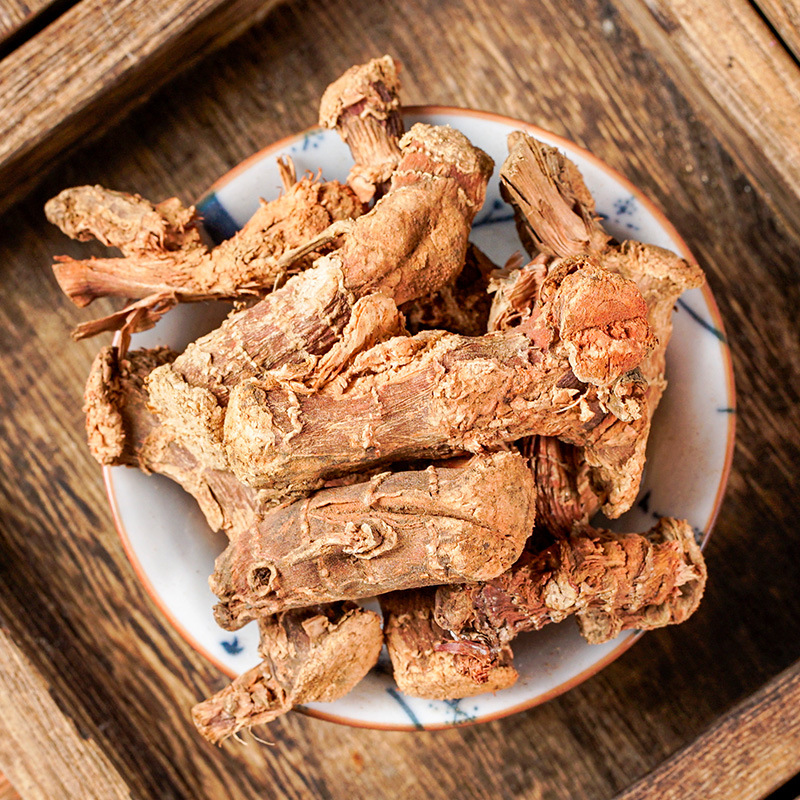
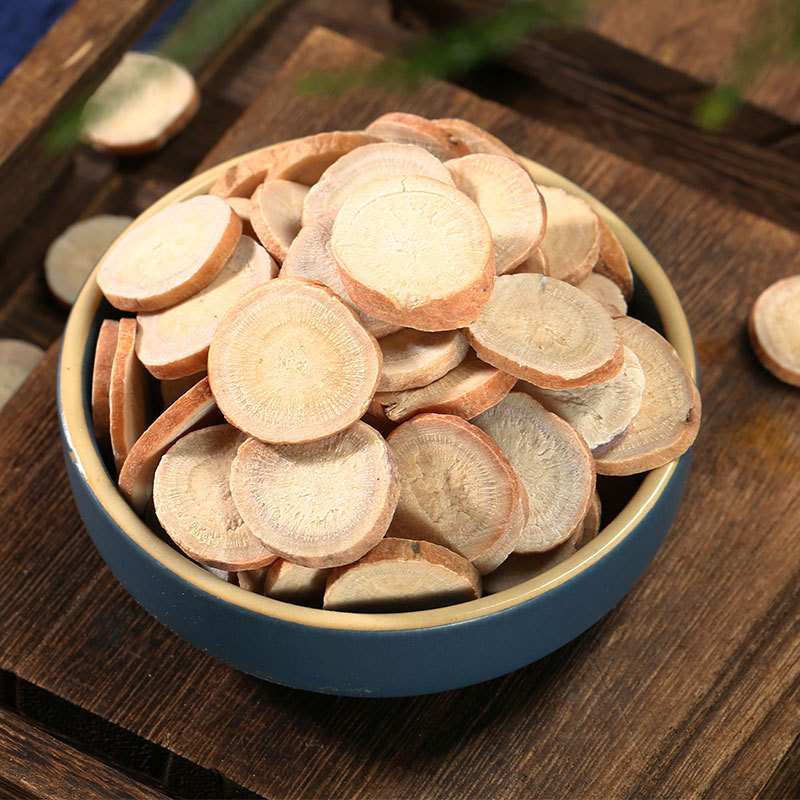
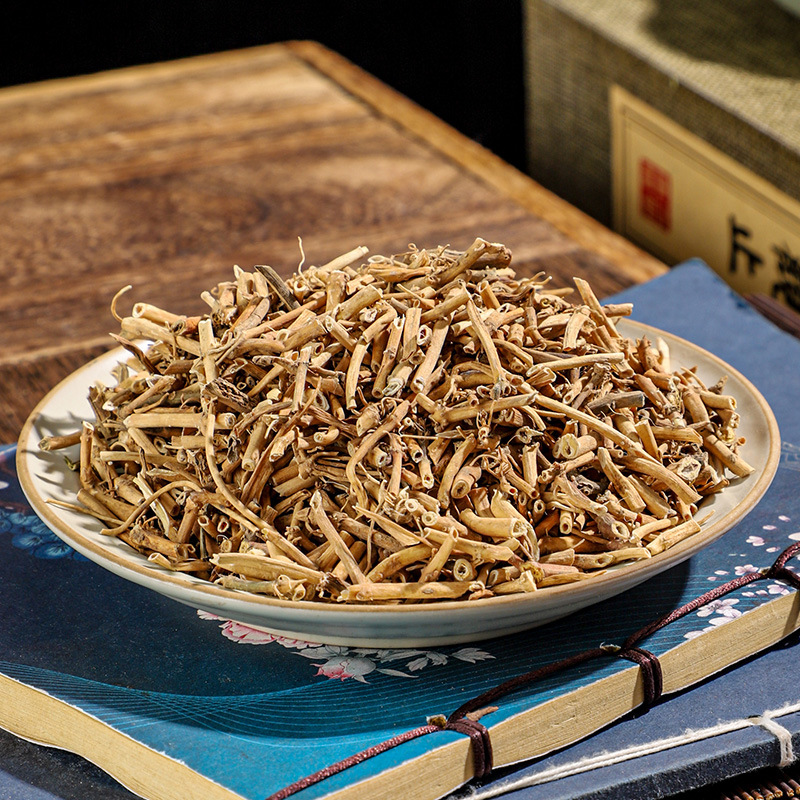
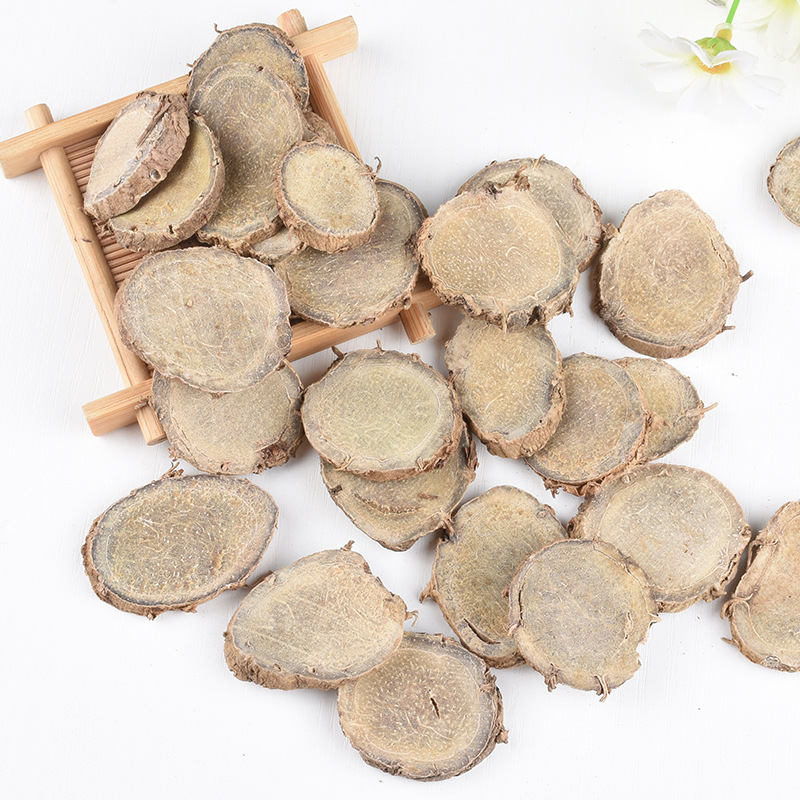
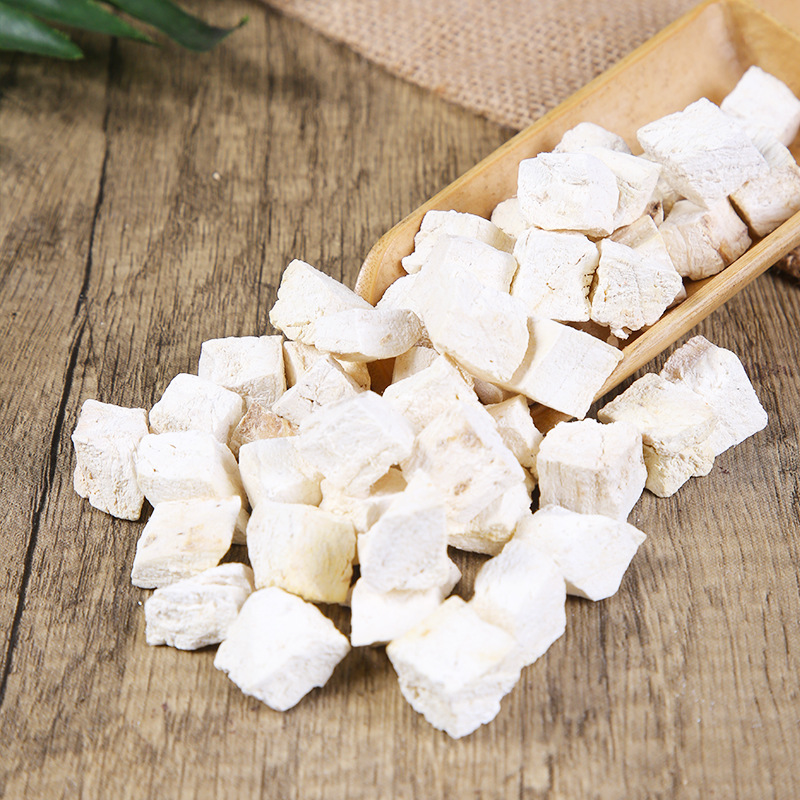
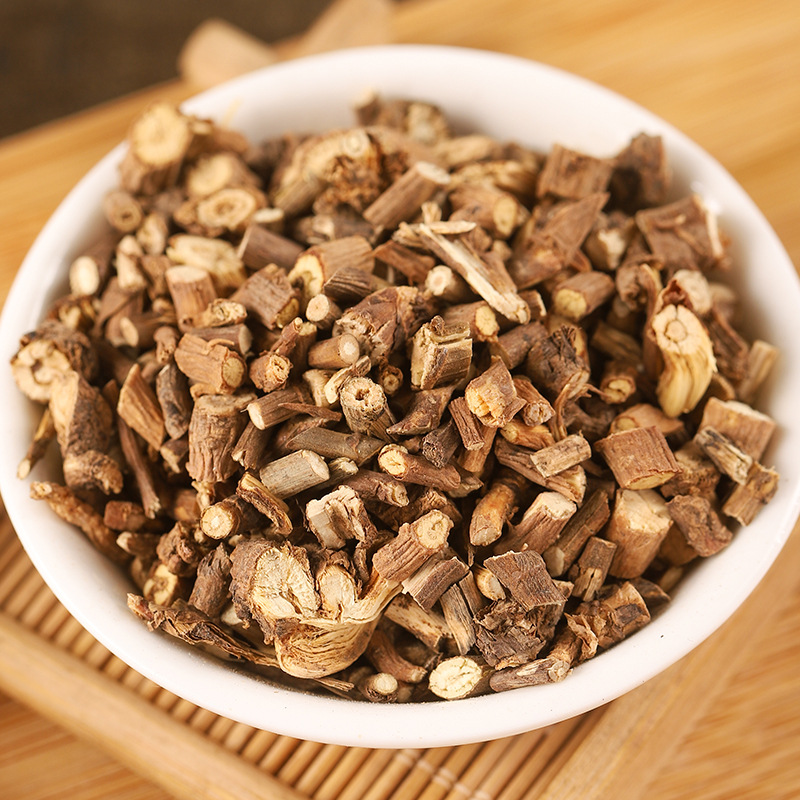
Medicinal Prescription:Dried Ginger, Galangal (Warming the middle and relieving pain), Codonopsis, Stir-fried Atractylodes, Poria (Strengthening the spleen and replenishing qi), Stir-fried Coix Seed (Resolving dampness and stopping diarrhea), Tangerine Peel, Pinellia (Regulating qi and harmonizing the stomach, improving acid reflux and belching), Stir-fried Malt (Promoting digestion and resolving stagnation, increasing appetite), Honey-fried Licorice (Harmonizing all herbs).
Traditional Chinese Medicine treatment is based on syndrome differentiation. Each individual has a unique constitution and syndrome type, so it is essential not to self-prescribe or take medications without guidance. If medication guidance is needed, consult a professional doctor for syndrome differentiation and prescription. Additionally, patients are advised to strictly avoid the three types of vegetables mentioned above and maintain a diet consisting ofWarm, soft, and easily digestibleFocus on avoiding staying up late, keeping the abdomen warm, and maintaining a cheerful mood.
Result:After 1.5 months of medication, the patient returned for a follow-up visit. Symptoms such as epigastric dull pain, acid reflux, belching, and abdominal distension had all disappeared. Appetite returned to normal, stools were formed, occurring once daily, and conditions of aversion to cold and cold extremities showed significant improvement. A follow-up gastroscopy revealed: atrophic gastritis had significantly improved compared to before, and intestinal metaplasia had disappeared.To consolidate the therapeutic effect, continue taking the adjusted prescription for one month, followed by a six-month follow-up period, during which symptoms did not recur and the condition remained stable.