Traditional Chinese medicine often says, "A person lives by a breath of qi." This breath of qi is actually yang qi, the core energy that sustains bodily functions. Among the yang qi throughout our entire body,Heart Yang, Spleen Yang, and Kidney Yang are the most crucialThey nourish and synergize with each other. Without any one of them, the body will experience various discomforts, and it becomes common to feel lethargic and prone to illness.
I. Insufficiency of Heart Yang
The heart governs the blood vessels. Insufficiency of heart yang leads to weakened circulation of qi and blood. The most noticeable symptom in such individuals is cold hands and feet, which remain cold even in warm weather. Their complexion is always pale and lacks color. During the day, they often feel drowsy and fatigued, becoming tired even with slight activity. More commonly, they experience chest tightness and palpitations, which become more pronounced when lying flat at night. They are also particularly prone to catching colds, with symptoms such as coughing and nasal congestion upon exposure to cold.
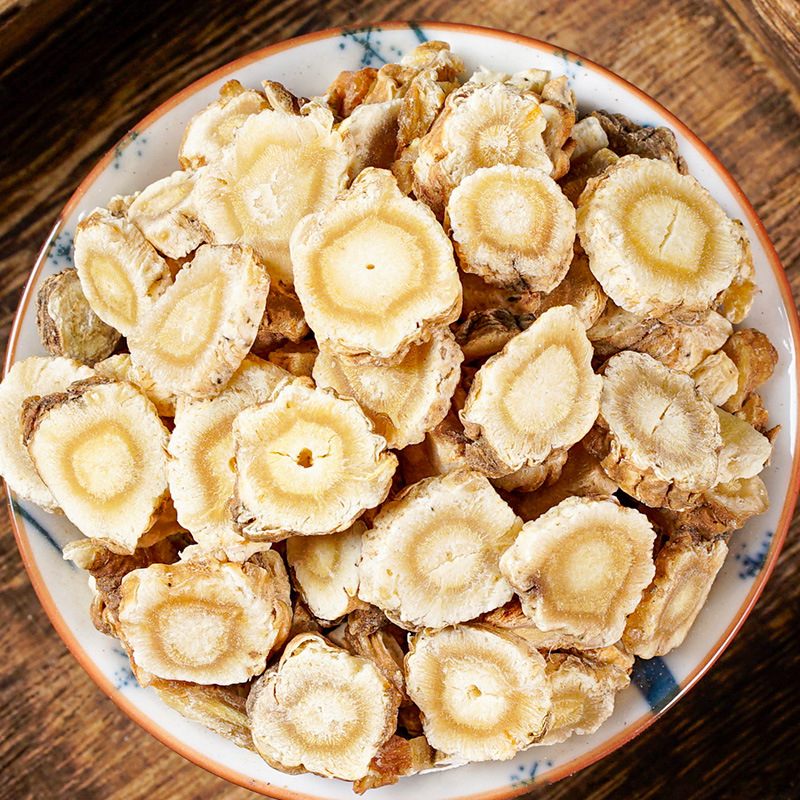
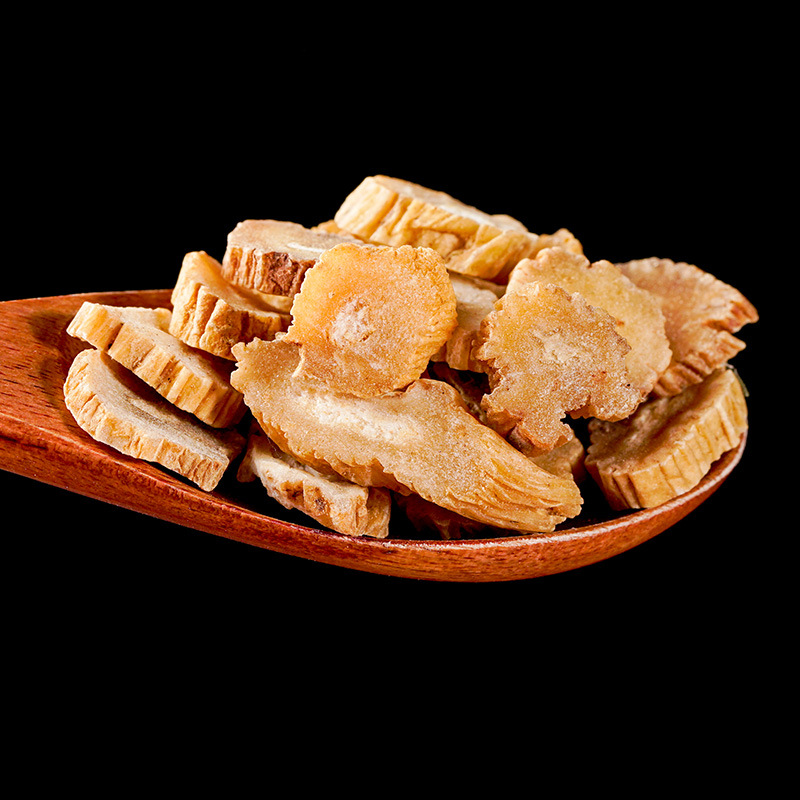
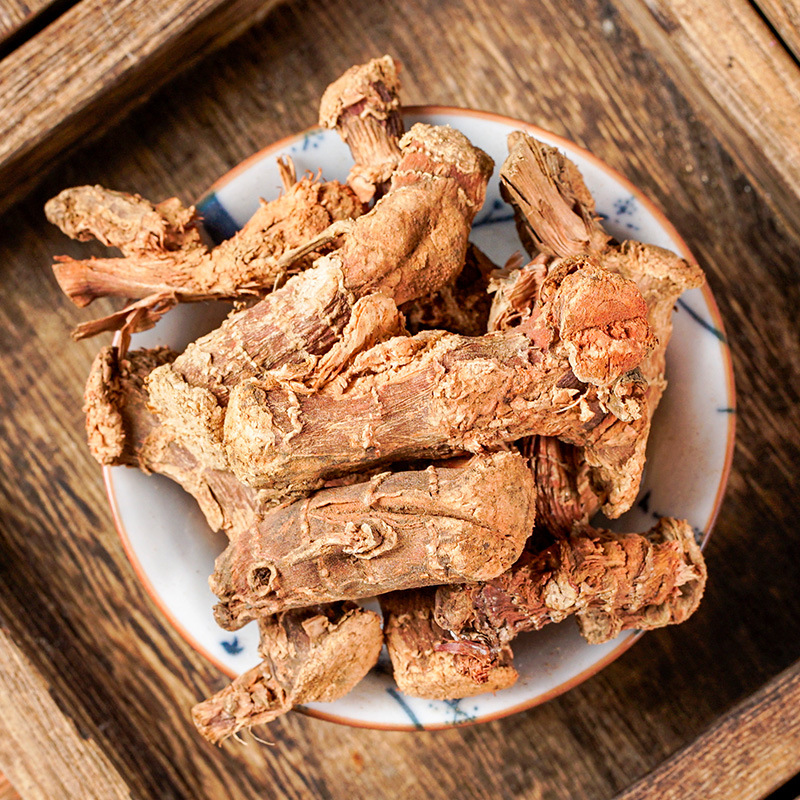
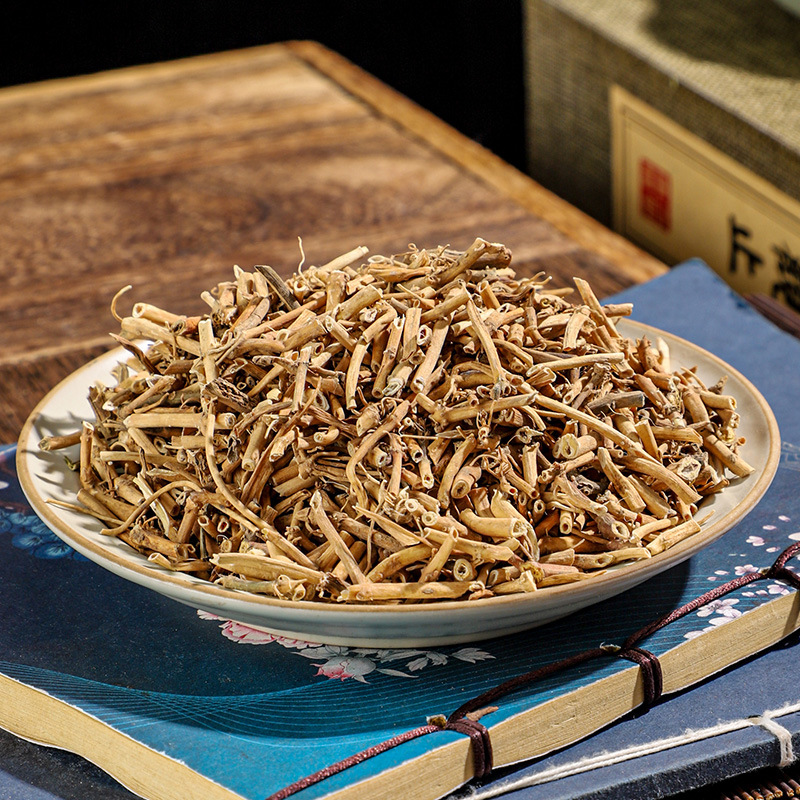
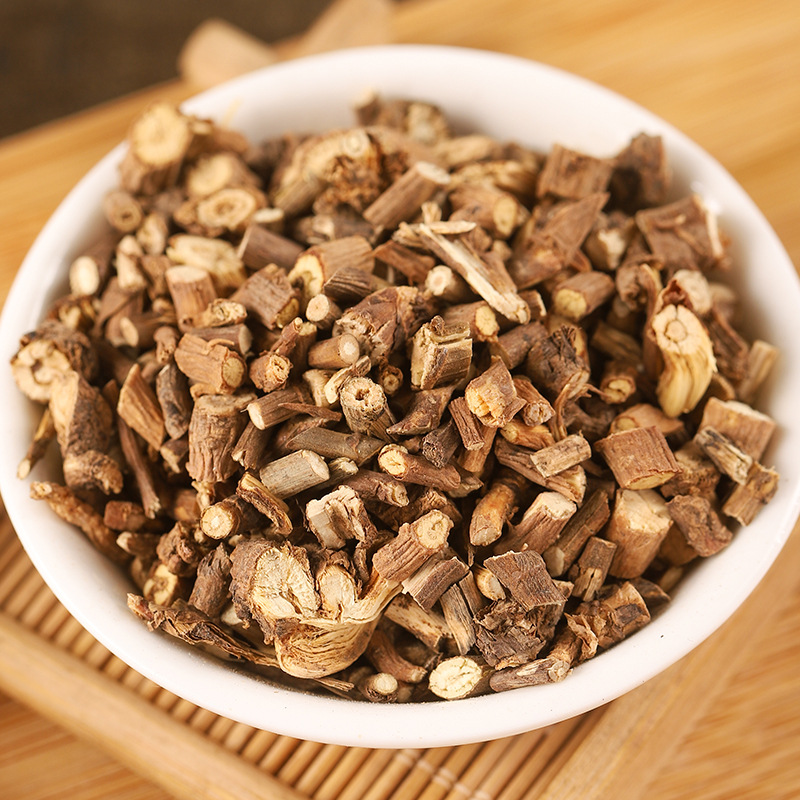
In such cases, I would refer toRamulus Cinnamomi and Radix Glycyrrhizae DecoctionTranslate the following text to en, maintaining the original format but without adding any symbols:Cinnamon twig tastes pungent, sweet, and warm, capable of warming and unblocking the meridians, and invigorating heart yangpromote smoother circulation of qi and bloodLicorice is sweet and warm, tonifying qi, not only assisting cinnamon twig in supplementing yang but also moderating medicinal properties and calming the mindRelieve palpitations and discomfort.
II. Insufficiency of Spleen Yang
The spleen governs transportation and transformation. People with insufficient spleen yang often have poor digestive function. Even if they eat little, they may feel abdominal distension, have loose and unformed stools, experience a cold sensation in the stomach, or even a dull pain. They may feel more comfortable after consuming warm foods, which are typical manifestations of spleen and stomach deficiency-cold. At the same time, insufficient spleen yang can lead to abnormal transportation and transformation of water-dampness, causing water-dampness to stagnate in the body. This can make individuals feel heavy and fatigued, and their tongue coating may become white and greasy.
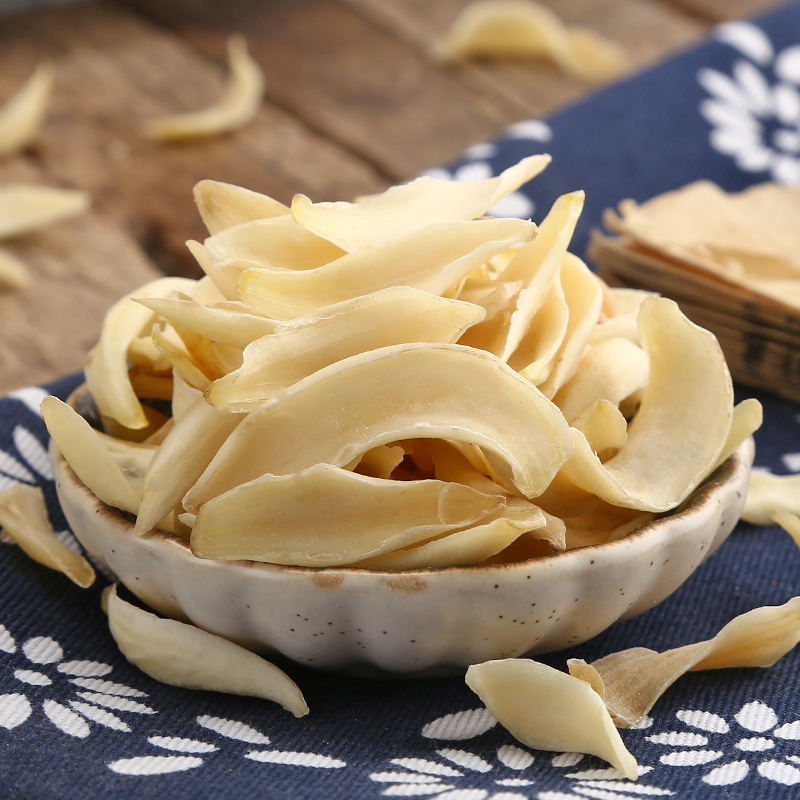
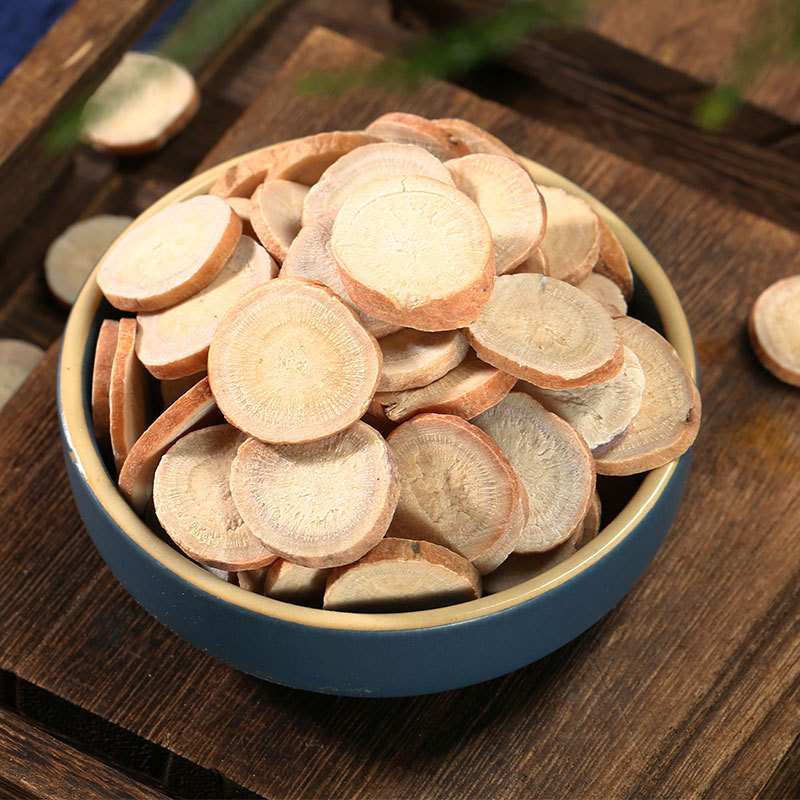
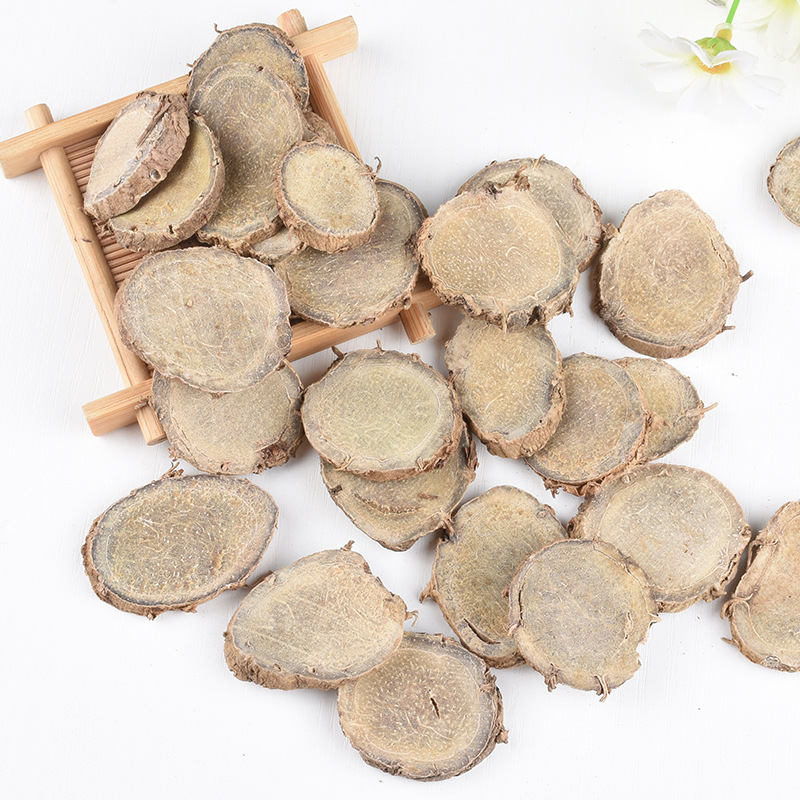
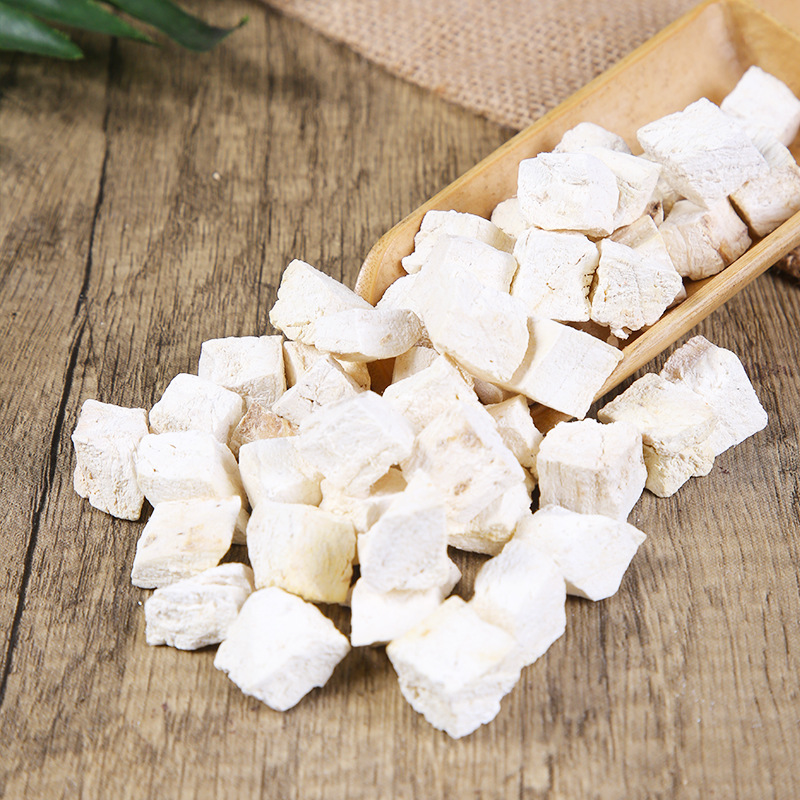
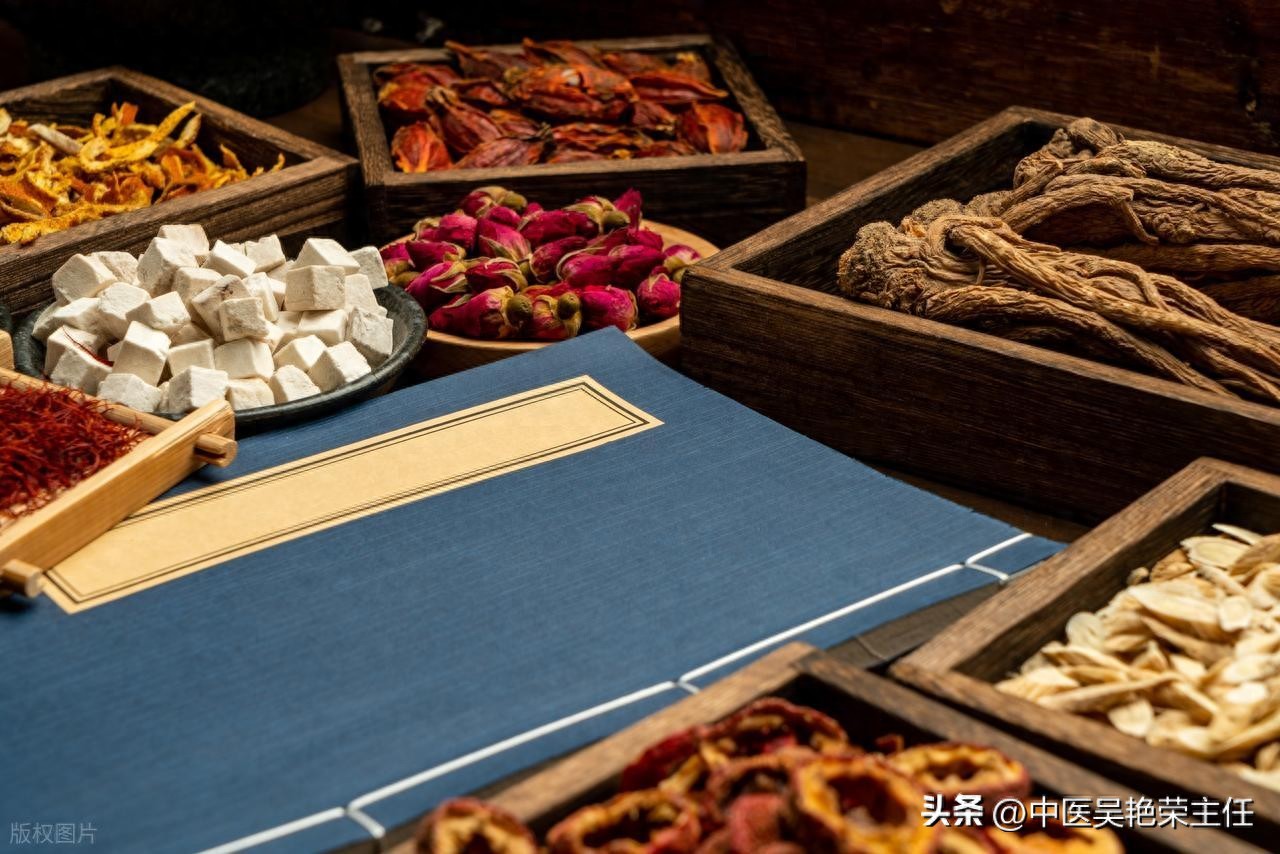
In response to this situation, I useDried Ginger, Atractylodes Macrocephala, PoriaThree herbs. Among themDried ginger is hot in nature and can directly dispel cold from the spleen and stomach;Atractylodes macrocephala invigorates the spleen and replenishes qi, dries dampness and promotes diuresisIt can enhance the spleen and stomach's transportation and transformation functions, expelling excess dampness from the body.Poria strengthens the spleen, promotes diuresis, and calms the mindWhen used in combination with Atractylodes macrocephala, it not only improves abdominal distension and diarrhea but also alleviates insomnia caused by excessive dampness.
III. Insufficiency of Kidney Yang
Kidney yang is the foundation of the body's yang qi, nourishing the yang qi throughout the body. People with insufficient kidney yang are most notably prone to fear of cold, and their body's water metabolism is also affected, making them susceptible to edema in the lower limbs.
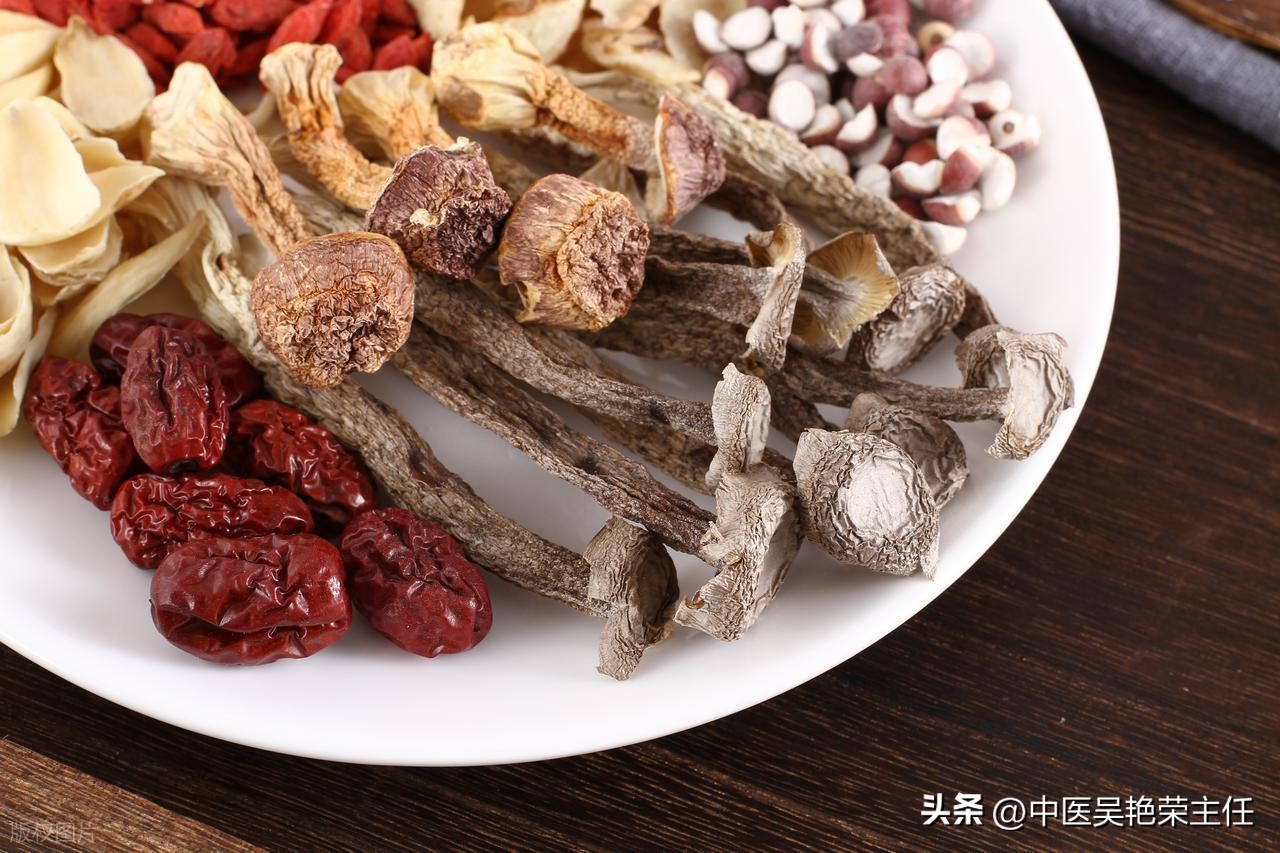
In such cases, I often useaconite, cinnamon, dogwoodTranslate the following text to en, maintaining the original format without adding any symbols:Aconite is extremely hot in nature, strongly tonifies yang, and can quickly invigorate kidney yangbut it carries a certain level of toxicity and must be professionally processed before use. It also needs to be combined with nourishing yin herbs such as cooked rehmannia to balance its properties and avoid causing internal heat.Cinnamon warms and unblocks the meridians, guiding fire back to its sourceIt can guide yang qi to the kidneys and spleen, further consolidating the yang-tonifying effect;Cornus officinalis has a sour taste and astringent properties, capable of tonifying the liver and kidneys, and replenishing essence and bloodand can lock in the replenished yang energy, preventing its loss, achieving dual nourishment of yin and yang.
However, it must be reminded that the most important principle in traditional Chinese medicine is syndrome differentiation and treatment. Each person's constitution is different, and the complexity of syndromes varies greatly. It is crucial not to use medications on your own. Always use them under the guidance of a professional physician based on syndrome differentiation to ensure both safety and effectiveness.