I often hearWhen Qi and blood are abundant, no disease will ariseThis statement is absolutely true. Qi and blood are like the "nutrient fluid" in the body, nourishing the internal organs and all parts of the body. However, in reality, many people do not use the correct methods to replenish their qi and blood. Some follow trends by consuming donkey-hide gelatin and red dates, but after half a year, their complexion remains sallow. Others drink angelica and astragalus water every day, only to end up with internal heat, acne, and dry stools. Not only do they fail to replenish their qi and blood, but they also develop new health issues. In fact, the best tonic is the qi and blood that our bodies can generate on their own.
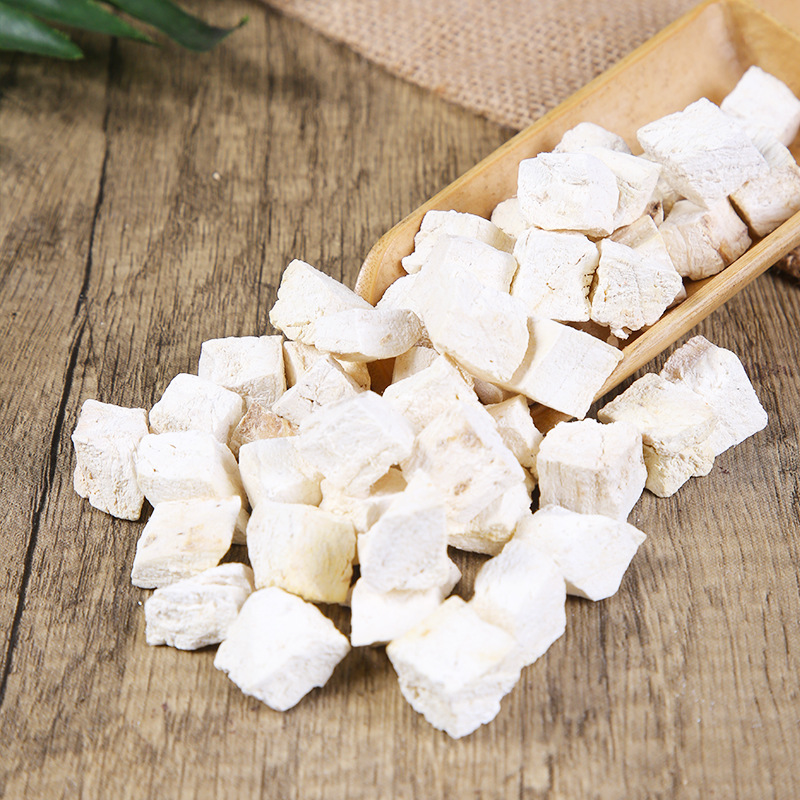
Traditional Chinese medicine emphasizes "treating the root cause of disease," and replenishing qi and blood must also start by identifying the source. Many people suffer from qi and blood deficiency, and the problem often lies inSpleen and StomachAbove. You should know,The spleen and stomach are the "source factory" for the production of qi and bloodThe food we consume must be transformed into qi and blood through the functions of the spleen and stomach. If the spleen and stomach are weak, even the most nutritious foods cannot be converted into the nutrients the body needs. In such cases, blindly supplementing will only burden the spleen and stomach, making efforts to replenish qi and blood ineffective.
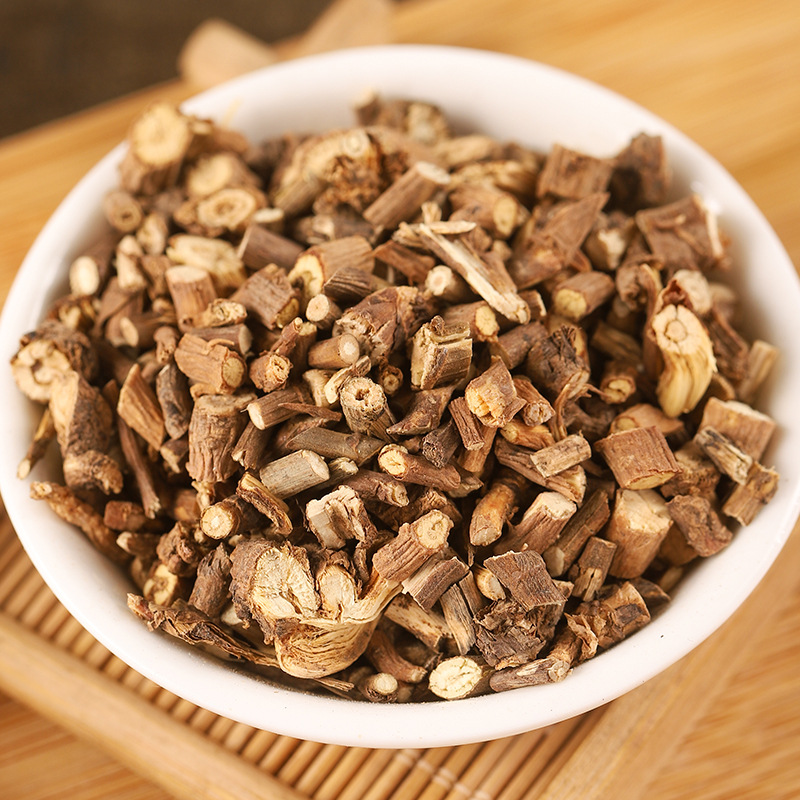
There is another group of people whose condition is more complex, not only do they have weak spleen and stomach, but they also have accumulated a lot of "phlegm-dampnessThis is becauseAfter the spleen and stomach fail to transport and transform properly, dampness cannot be expelled, and over time it transforms into phlegm-dampnessIn such cases, merely regulating the spleen and stomach is insufficient. It is necessary to first help the spleen and stomach "reduce the burden" by clearing away accumulated phlegm-dampness waste, thereby smoothing the transportation and transformation pathways of the spleen and stomach. Only then will there be space for the subsequent generation of qi and blood. Otherwise, if phlegm-dampness obstructs the pathways, the nutrients that are supplemented will also become "trapped" and unable to reach the areas where they are needed.
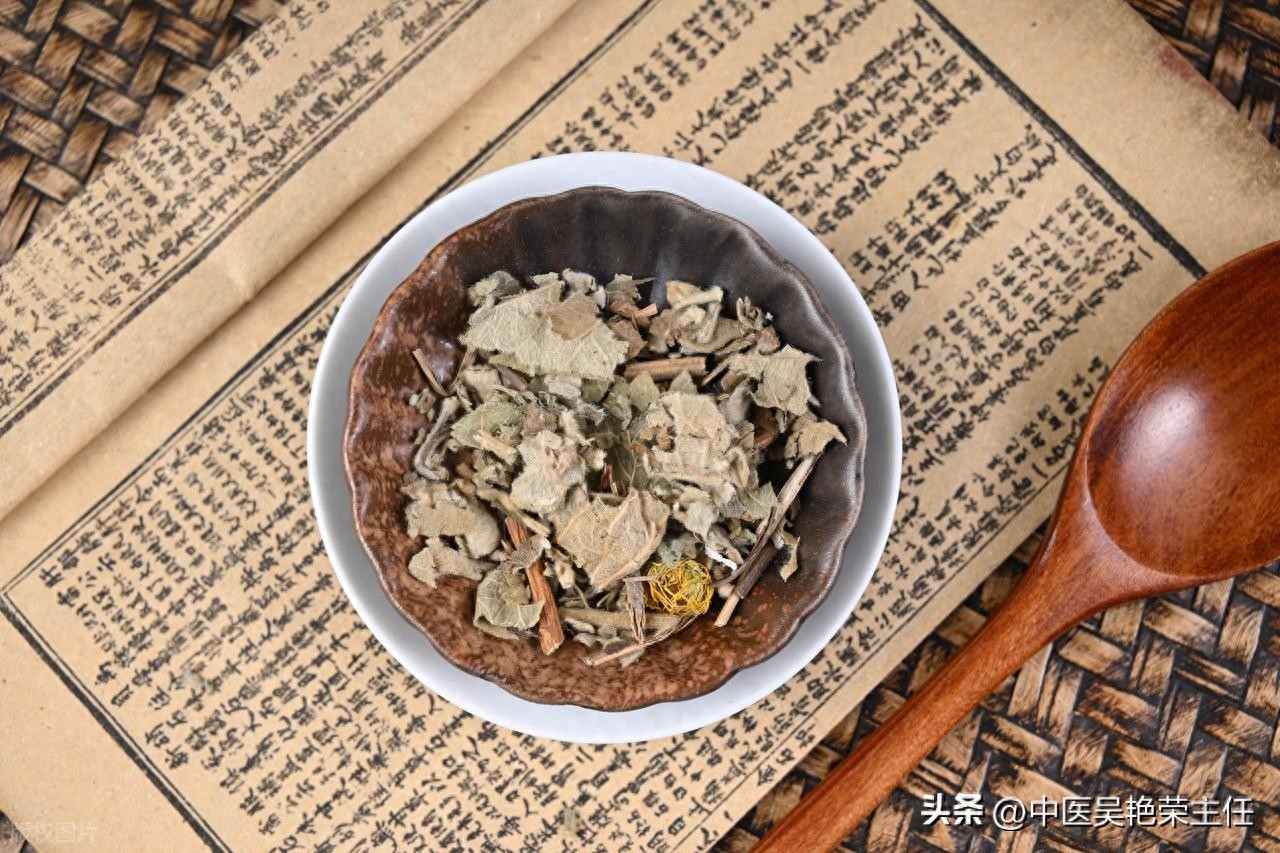
Besides the spleen and stomach and phlegm-dampness,Liver Qiis also very crucial. In traditional Chinese medicineThe liver governs free coursing and is responsible for regulating the movement of qi throughout the bodyIf liver qi is not flowing smoothly, qi will become blocked in the body.Qi moves then blood moves, if qi is blocked, blood will also become obstructedOver time, it can also affect the spleen and stomach.
In Traditional Chinese Medicine, it is said that "liver wood restricts spleen earth," meaning that stagnation of liver qi can affect the spleen and stomach, weakening their functions and further aggravating qi and blood deficiency. Therefore, to replenish qi and blood, one should not focus solely on the spleen and stomach. Instead, it is essential to first regulate liver qi and promote the movement of qi throughout the body, allowing qi and blood to circulate smoothly.
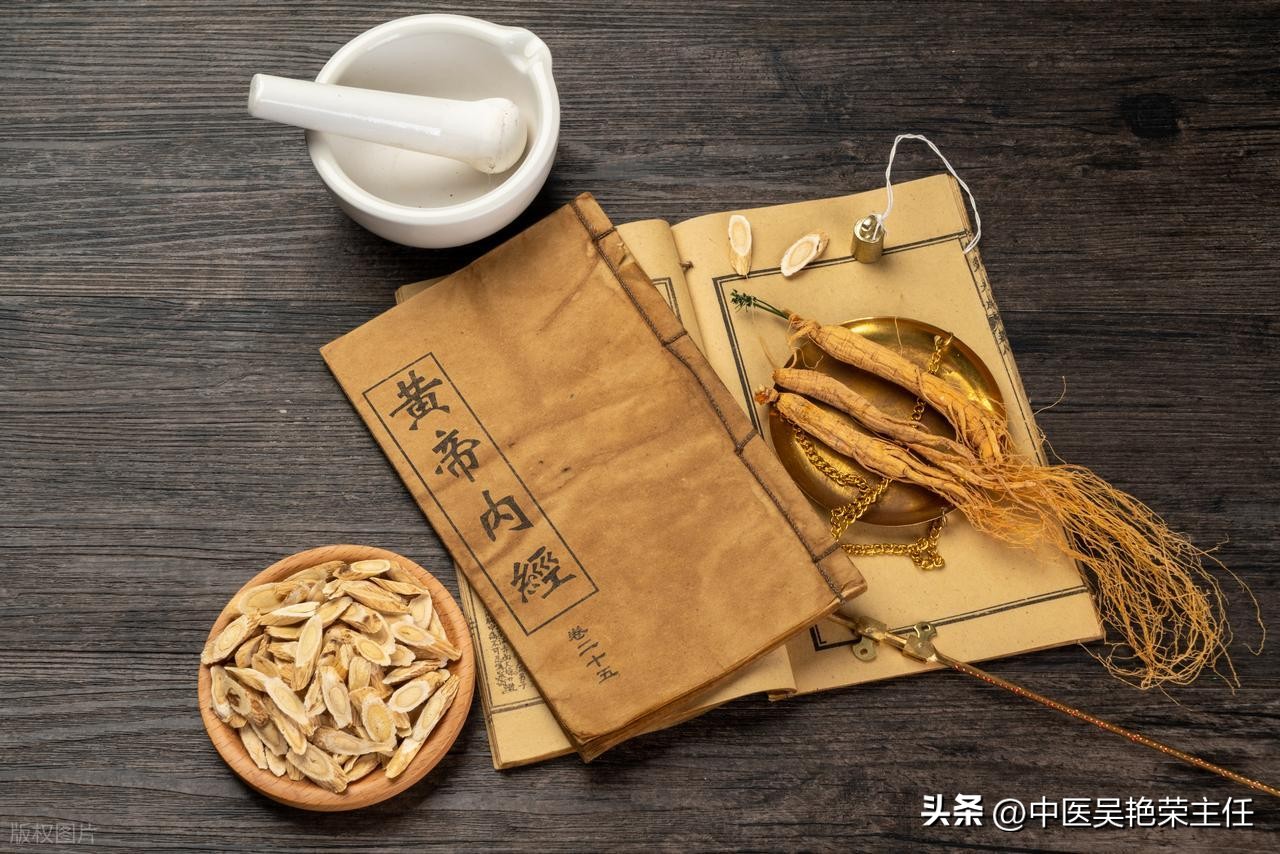
Wait forSpleen and stomach regulated, phlegm-dampness cleared, liver qi smoothed, and finally qi and blood replenishedit becomes much simpler. At this point, the body's spleen and stomach can properly transform nutrients, the qi mechanism can smoothly transport qi and blood, and the body can generate sufficient qi and blood on its own.
ActuallyTo replenish qi and blood is to first resolve the issues that hinder their generation and circulation, then give the body a little boost, and naturally, qi and blood will gradually become abundant.
However, it must be reminded that the most important principle in traditional Chinese medicine is syndrome differentiation and treatment. Each person's constitution is different, and the complexity of syndromes varies greatly. Therefore, one should never use medications on their own. It is essential to use them under the guidance of a professional physician based on syndrome differentiation, as this ensures both safety and effectiveness.