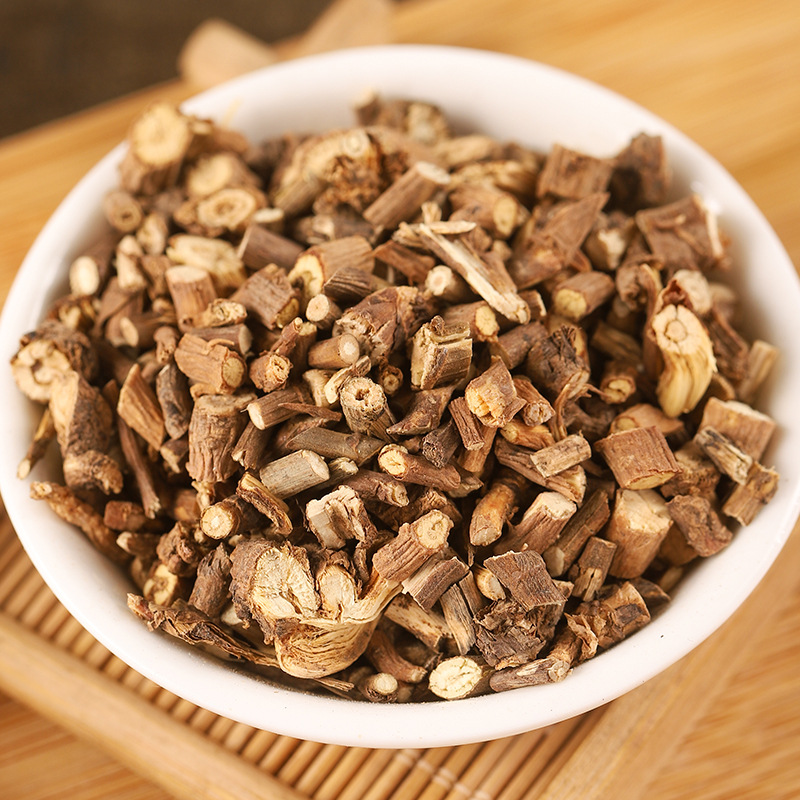
In daily life, many people often suffer from dry mouth and parched skin. Even after drinking plenty of water, the discomfort is hard to alleviate, and at night, they may feel restless and have difficulty falling asleep. When these symptoms appear, many people simply attribute them to yin deficiency and immediately think of using Liuwei Dihuang Wan to nourish kidney yin. However, in reality, this one-dimensional approach to regulation often fails to address the root cause of the problem.
Traditional Chinese Medicine believes thatYin fluid is the fundamental essence that maintains the normal functioning of various physiological activities in the human bodyIt is distributed throughout the body, nourishing the organs, meridians, and skin. Nourishing yin fluid must not be limited to the kidneys alone; it is important to know that the heart also plays a significant role in the generation and nourishment of yin fluid.
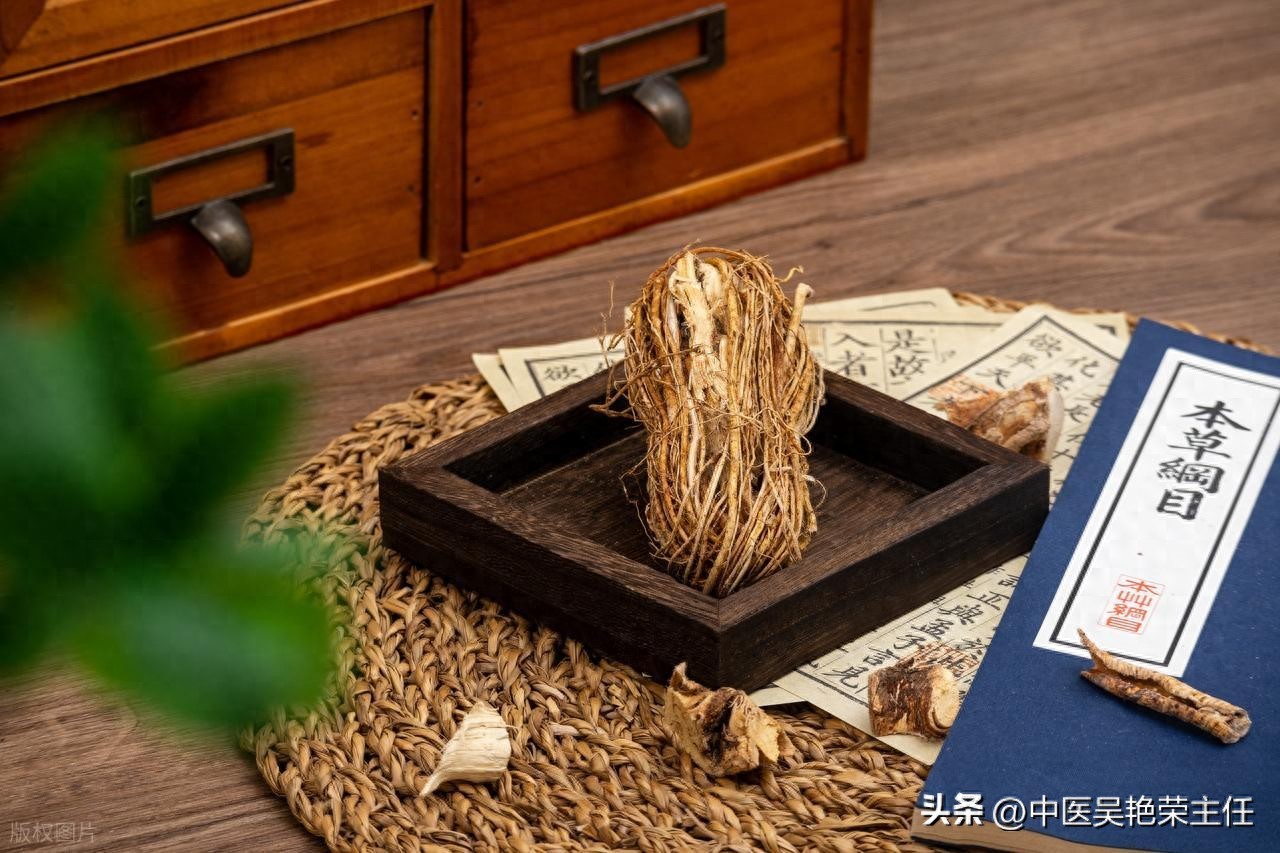
The heart governs the blood vessels, and blood and yin fluid are interdependent and mutually transformativeBlood can continuously transform into yin fluid, providing ongoing nourishment to the body. Once heart yin is insufficient, the function of blood transforming into yin fluid becomes impaired. Even if one focuses solely on tonifying the kidneys, it will not allow the yin fluid throughout the body to be fully replenished. Issues such as dry mouth and insomnia naturally become difficult to completely improve.
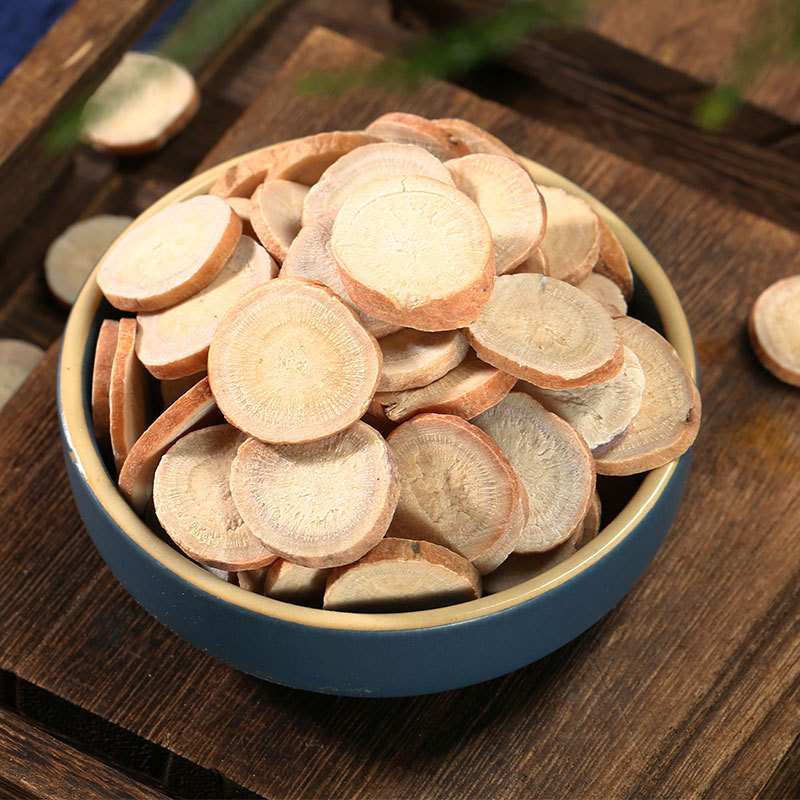
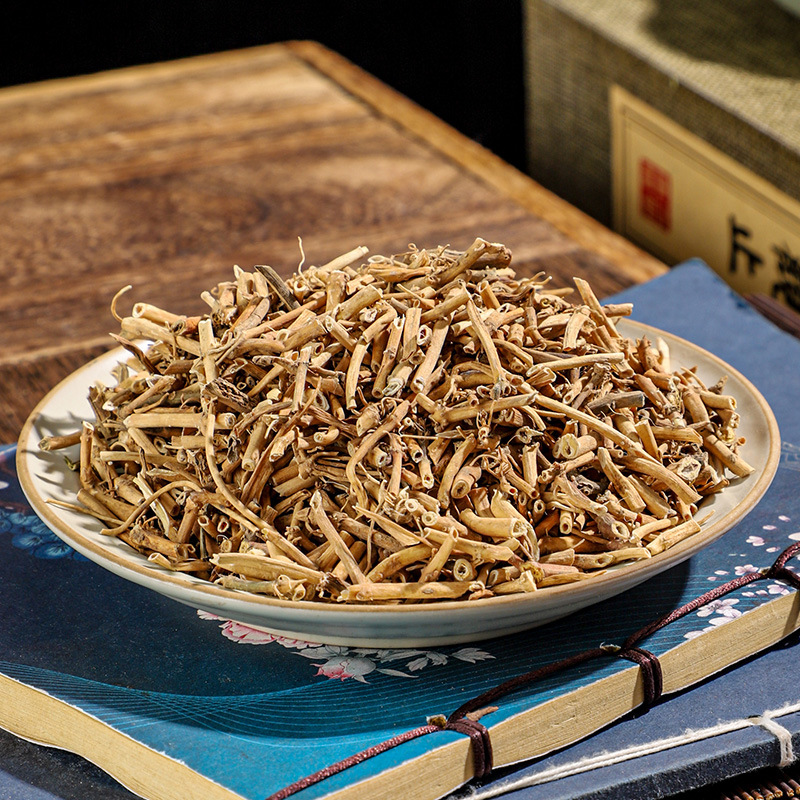
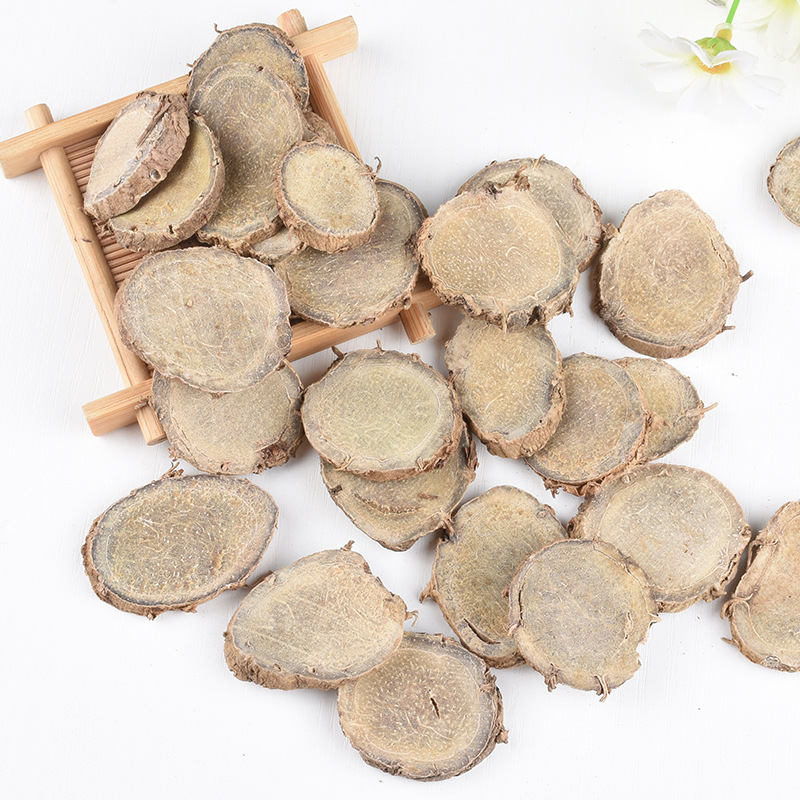
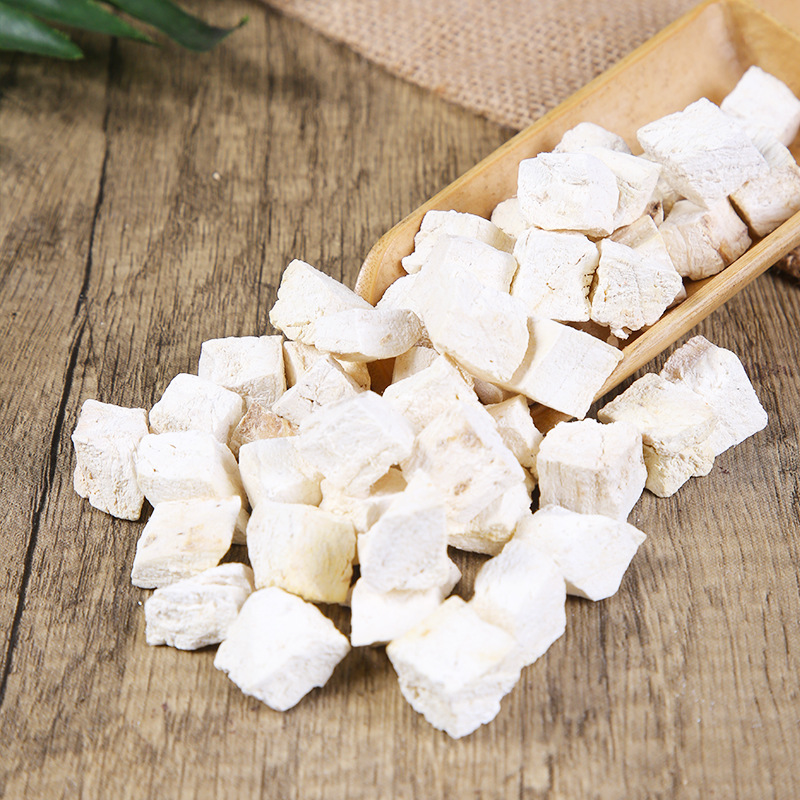
In response to this situation, we can refer toJiajian Fumai Decoction,Donkey-hide gelatin, Ophiopogon rootIt can specifically nourish heart yin;RehmanniaIt can tonify kidney yin, and only by simultaneously tonifying the heart and kidneys can the body's yin fluids be truly replenished, thereby alleviating various symptoms of yin deficiency from the root.
However, it is important to note that traditional Chinese medicine emphasizes syndrome differentiation and treatment. Since each individual has a different constitution and varying complexities of syndromes, it is crucial not to blindly apply treatments on your own. Always use them under the guidance of a professional physician based on syndrome differentiation to ensure both safety and effectiveness.