Many friends have heard of Fuzi Decoction and Zhenwu Decoction when regulating dampness, but they cannot distinguish which one to choose. Today, I will talk about Zhang Zhongjing's two classic dampness-removing prescriptions.
First lookAconite DecoctionIt canWarming Yang to dispel cold, dispelling dampness to relieve painSuitable for individuals with significant cold-dampness and yang deficiency, these people often have cold hands and feet, a cold back, and may experience joint pain. When the tongue is extended, it appears with a white and slippery coating, and the pulse is deep, weak, and lacking strength. These are all manifestations of cold-dampness trapping the body and insufficient yang energy.
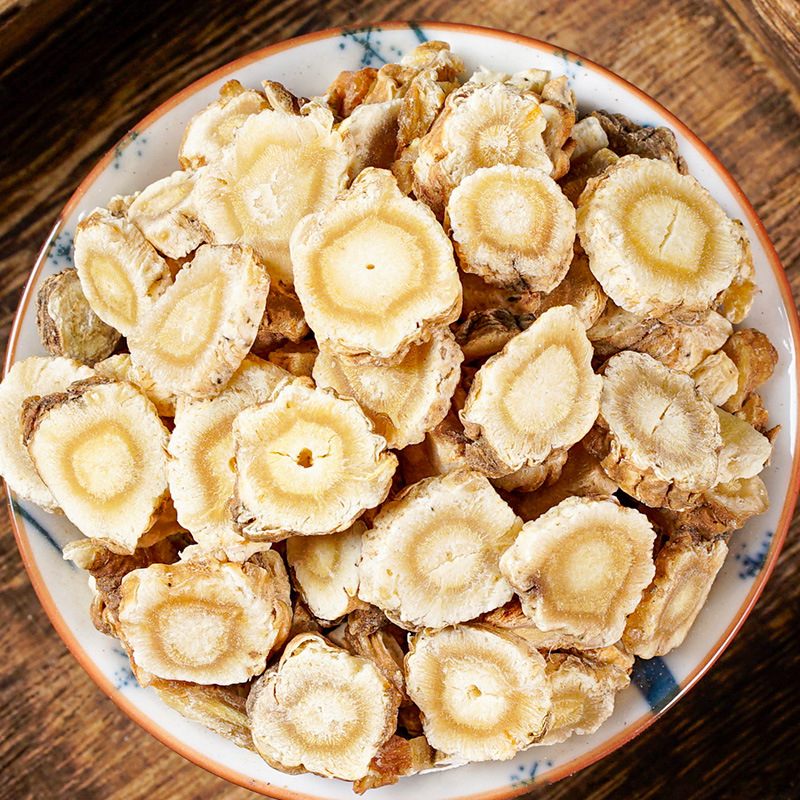
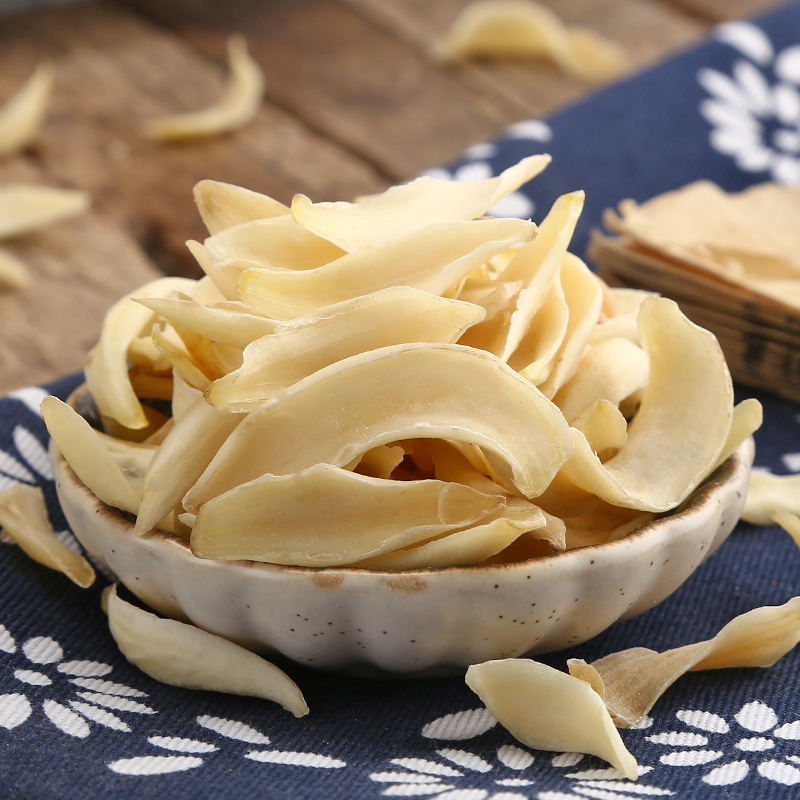
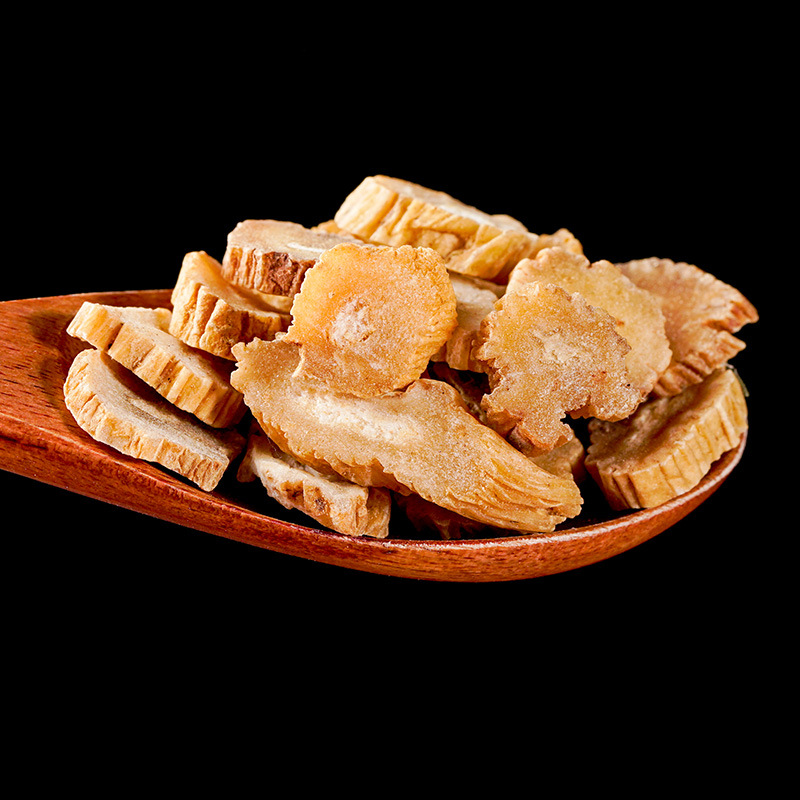
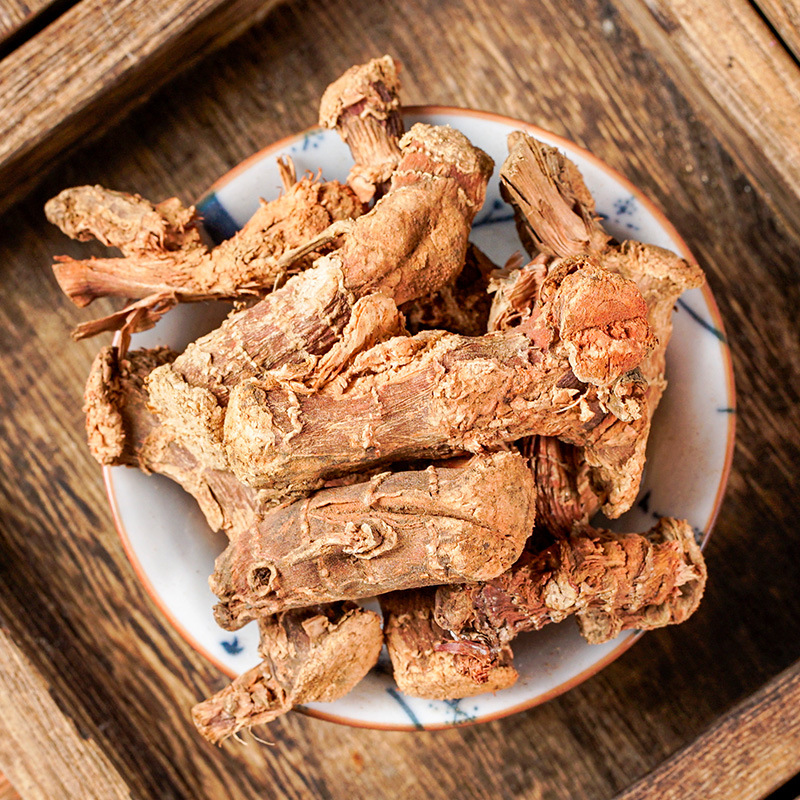
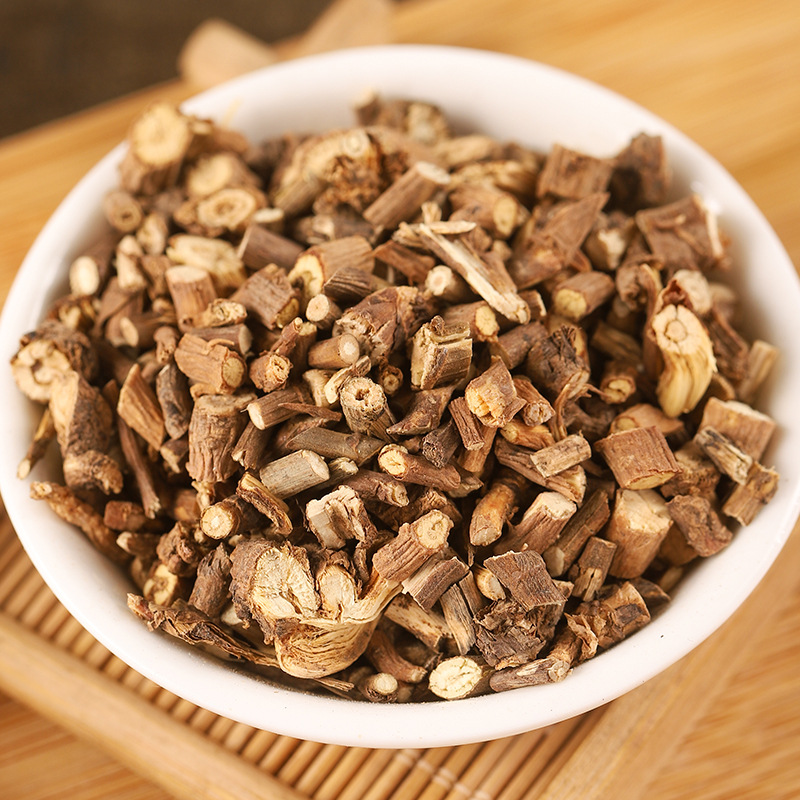
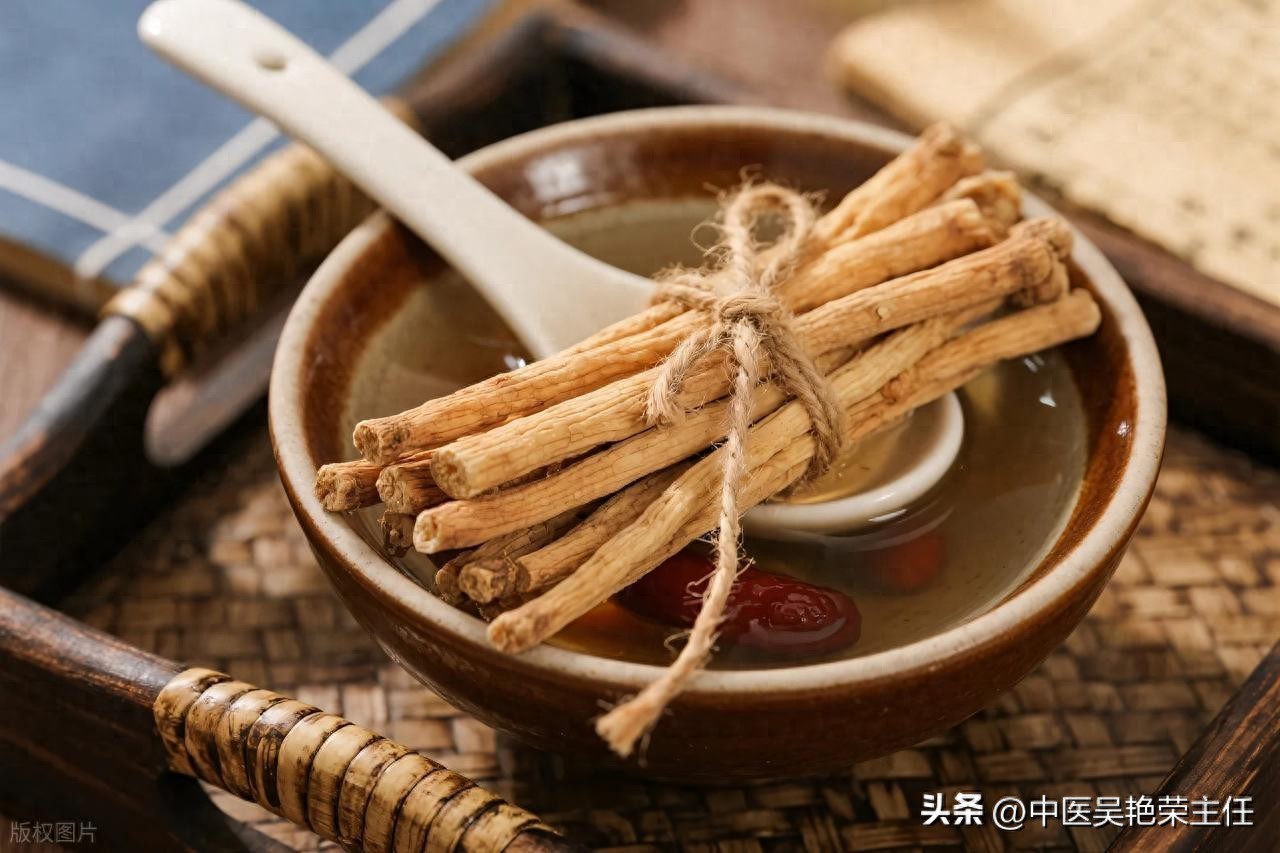
The prescription consists ofaconite, ginseng, atractylodes, poria, peonyComposition, among whichAconiteIt can strongly warm and tonify kidney yang, dispel deep-seated cold in the body, and enhance yang energy from the root.GinsengIt can greatly tonify primordial qi, enhance the warming and yang-strengthening power when combined with aconite, and also nourish the healthy qi damaged by yang deficiency
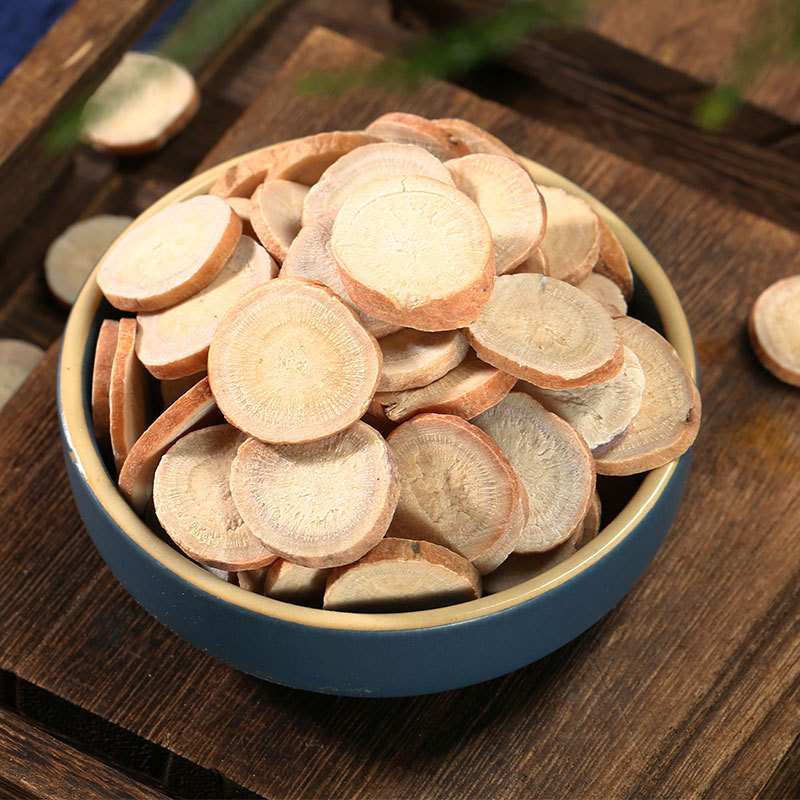
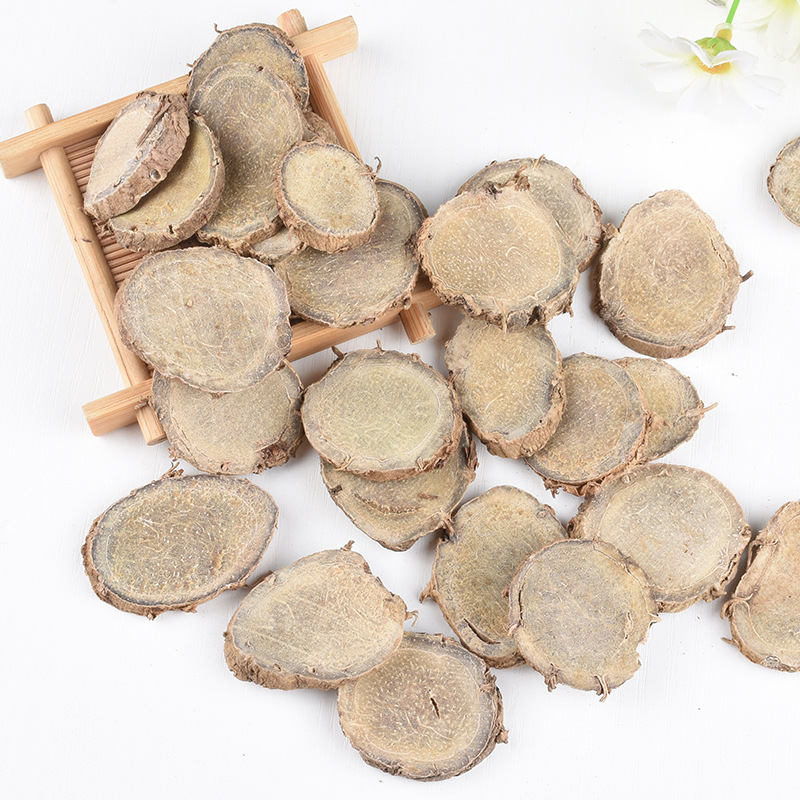
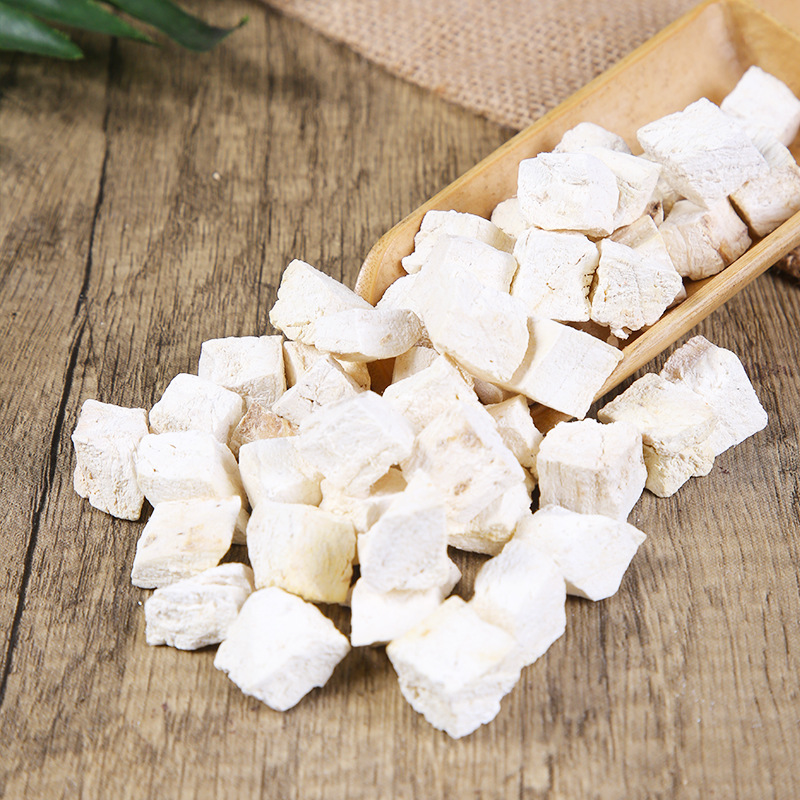
Atractylodes macrocephalaIt can invigorate the spleen and dry dampness, enhancing the spleen and stomach's ability to transport and transform water and dampness.PoriaIt can promote diuresis and drain dampness, expelling dampness from the body through urinationPeonyOn one hand, it alleviates joint pain, and on the other hand, it restrains the warm and drying nature of aconite. This combination of herbs can thoroughly dispel cold and dampness from the body by warming and tonifying kidney yang, gradually restoring warmth to the body.
Let's talk aboutZhenwu DecoctionIt canThe diuretic and warming yang effects are relatively mildSuitable for individuals with yang deficiency and water retention. These people often feel tired and fatigued, with body swelling, especially heaviness below the waist, difficulty urinating, and may also feel palpitations below the chest, with a relatively large and swollen tongue.
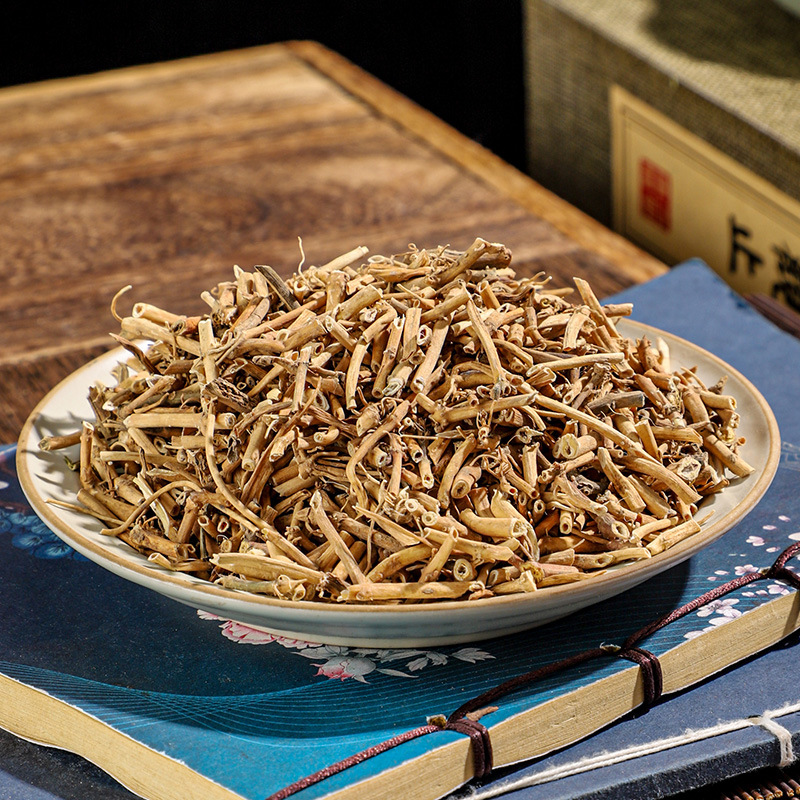
PrescriptionAconiteThe warming yang effect is milder, primarilyWarming and tonifying kidney yang, providing power for the transportation and transformation of water dampness;GingerPungent and dispersing, warm and unblocking;PoriaPromoting urination and draining dampnessAtractylodes macrocephalaStrengthening the spleen and drying dampness, a dual approach to eliminate internal dampnessPeonyIt can soften the liver and relieve urgency, alleviate discomfort, and also restrain the warm and dry nature. These herbs combined can warm and invigorate yang while expelling stagnant dampness from the body.
Overall,Fuzi Decoction places greater emphasis on "warming yang and dispelling cold"Suitable for individuals with heavy cold-dampness and obvious aversion to cold; genuineWu Decoction is more focused on promoting diuresis and eliminating dampnessSuitable for individuals with water-dampness stagnation and obvious edema.
However, it is important to note that traditional Chinese medicine emphasizes syndrome differentiation and treatment. Since each individual has a different constitution and varying complexities of syndromes, it is crucial not to blindly apply treatments on your own. Always use them under the guidance of a professional physician based on syndrome differentiation to ensure both safety and effectiveness.